How to Choose Biodegradable Disposable Plates for Your Needs?
In recent years, the demand for Biodegradable Disposable Plates has surged. As more consumers seek eco-friendly alternatives, making the right choice can be daunting. Renowned sustainability expert Dr. Emily Green notes, "Choosing the right biodegradable options can significantly reduce our environmental footprint." Her insights highlight the importance of informed decisions in this growing market.
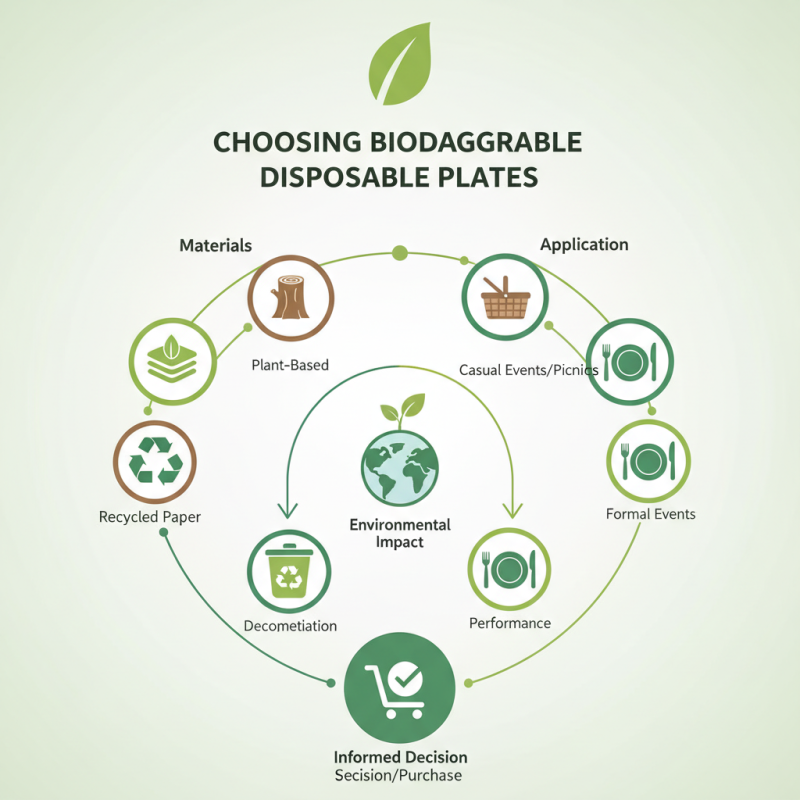
When selecting Biodegradable Disposable Plates, consider the materials used. Options range from plant-based materials to recycled paper. These choices impact not only environmental effects but also the quality of your dining experience. The variety on the market can lead to confusion, as some plates may not perform well for specific foods.
It’s crucial to think about the application. Are you hosting a picnic or a formal event? This influences both the type and design you choose. Evaluating the environmental impact requires reflection. Not all biodegradable products break down evenly in nature. Understanding these nuances helps ensure you make a responsible purchase that aligns with your values.
Understanding Biodegradable Disposable Plates: A Comprehensive Overview
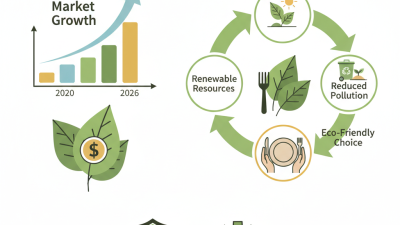
Biodegradable disposable plates are gaining traction as environmental awareness grows. These plates are designed to break down safely over time. A 2022 industry report indicated that the biodegradable tableware market is expected to reach $6.7 billion by 2027. This growth reflects a shift towards sustainable alternatives in dining.
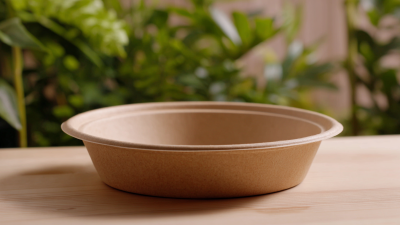
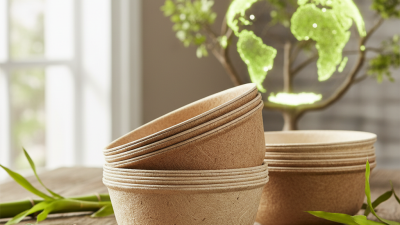
When selecting biodegradable plates, consider materials like PLA (polylactic acid) or sugarcane. PLA is made from corn starch and is suitable for cold foods. Sugarcane plates offer sturdiness and can handle hot items effectively.
A study showed that these materials decompose faster than traditional plastics, reducing landfill waste significantly.
However, not all biodegradable options are created equal. Some may still contain harmful additives. It's essential to choose products certified by recognized standards. Many consumers overlook these details but neglecting them could undermine sustainability efforts. Opting for high-quality options can ensure a genuinely eco-friendly choice while contributing to a cleaner planet.
Types of Biodegradable Materials Used in Disposable Plates
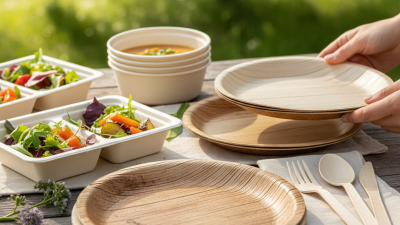
Choosing the right biodegradable disposable plates can significantly impact your environmental footprint. Understanding the types of biodegradable materials used in these plates is crucial. Popular materials include sugarcane, bamboo, and PLA (polylactic acid). Sugarcane plates, made from bagasse, are durable and compostable. Bamboo plates are lightweight and sturdy, making them excellent for outdoor use. PLA, derived from corn starch, is suitable for cold foods and is completely compostable.
When selecting biodegradable plates, consider your specific needs. For instance, if you're hosting an outdoor event, bamboo plates can withstand various conditions. However, they might not hold up as well with very wet or heavy foods. Tip: Always check the manufacturer's specifications regarding the temperature range for the plates.
It's essential to be aware of the compostability certification. Not all biodegradable plates break down under every condition. Some require industrial composting facilities. If you don’t have access to these facilities, these products might not serve their purpose effectively. Tip: Look for plates that specify home composting options. Reflect on your local waste management systems before making a purchase.
Factors to Consider When Selecting Biodegradable Plates
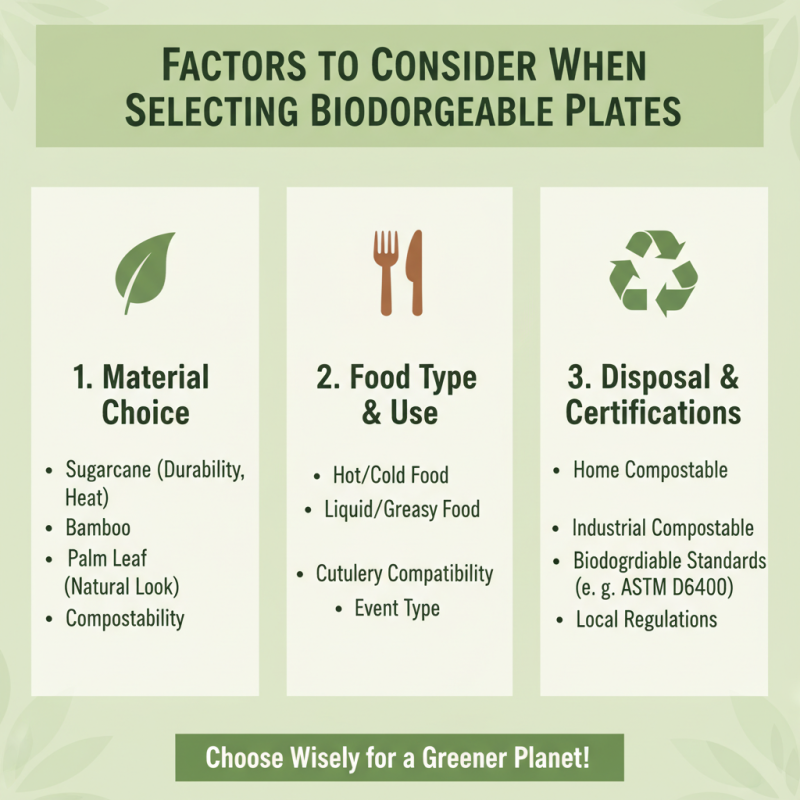
When selecting biodegradable disposable plates, there are several factors to keep in mind. Material choice plays a crucial role. Common options include sugarcane, bamboo, and palm leaves. Each material offers different durability and compostability levels. A sugarcane plate may handle heat better than a bamboo one. However, it's essential to consider if the material aligns with your specific needs.
Thickness is another important aspect. Thicker plates tend to be sturdier. They can support heavier meals without bending. This can be key if serving items like pasta or barbecued meats. Also, consider the intended use. For outdoor gatherings, you might need more robust options. Yet, for a casual picnic, lighter plates could suffice.
Check for certifications as well. Look for labels indicating compostability or environmental impact. This helps verify that the product meets specific standards. However, not all biodegradable plates are created equal. Some may break down slower than others. It's necessary to reflect on where and how you will dispose of them after use. Will they go to a compost facility? Or will they end up in a landfill? These choices will affect their true sustainability.
Environmental Impact of Choosing Biodegradable Disposable Plates
The environmental impact of biodegradable disposable plates is a critical consideration. These plates break down more easily than traditional plastic ones. They can reduce landfill waste and pollution. However, it's essential to understand the materials used. Some biodegradable options require industrial composting facilities to decompose properly.
Choosing the right plates involves balancing convenience and sustainability. Not all biodegradable plates are created equal. Some may still release harmful chemicals as they degrade. Look for certifications indicating a genuine commitment to environmental safety. This approach allows consumers to make informed choices.
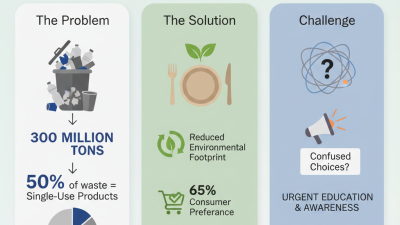
While biodegradable plates offer benefits, challenges remain. For instance, consumer awareness is still low. Many people confuse biodegradability with compostability. Educating oneself and others about these differences is vital. Reflecting on our purchasing habits can also drive more sustainable choices in the long term.
Comparing Cost and Quality of Biodegradable vs Traditional Plates
When choosing between biodegradable disposable plates and traditional options, consider both cost and quality. Biodegradable plates are made from natural materials, often resulting in a slightly higher price point. However, their environmental benefits can justify the cost. They break down in compost facilities, offering a sustainable choice for eco-conscious consumers.
Quality can vary widely in both categories. Traditional plastic plates may seem cheaper but contribute to pollution. Many biodegradable plates, made from materials like palm leaves or sugarcane, are surprisingly sturdy. Their durability often surprises users who expect them to be flimsy. Yet, not all biodegradable plates perform well; some may leak or bend under weight.
Potential buyers should recognize that sometimes, lower-quality biodegradable plates might end up in landfills rather than compost piles. This can undermine their purpose and value. Before purchasing, inspect product reviews. Look for brands emphasizing quality and sustainability in their production processes. Weigh your choices carefully, balancing budget constraints with your environmental impact.
Comparison of Biodegradable vs Traditional Disposable Plates: Cost and Quality