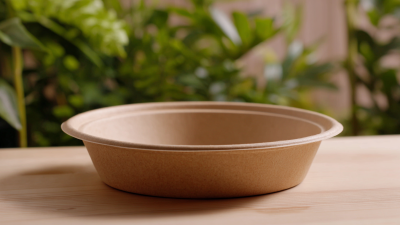
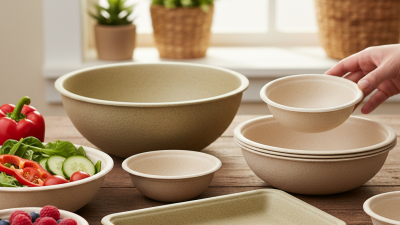
Why Choose Biodegradable Small Plates for Sustainable Dining?
In recent years, the call for sustainable dining options has intensified. The rise of biodegradable small plates reflects a significant shift in consumer expectations. According to the Biodegradable Products Institute, more than 50% of consumers prefer eco-friendly tableware. This trend highlights a growing awareness about environmental impact among diners. Biodegradable small plates are not just environmentally friendly; they also enhance the dining experience.
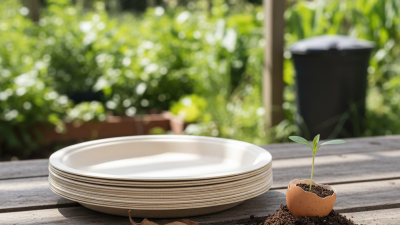
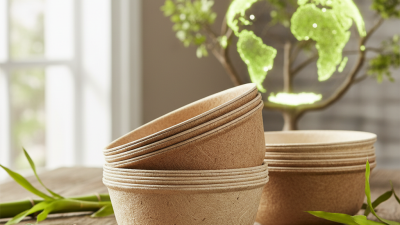
Research indicates that single-use plastics contribute to over 300 million tons of waste each year. Traditional disposable products often end up in landfills, where they take centuries to decompose. In contrast, biodegradable small plates break down naturally within a few months, reducing waste. This rapid decomposition minimizes harm to wildlife and ecosystems. Additionally, these plates can be made from renewable resources like sugarcane or bamboo, offering a viable alternative to plastic and Styrofoam.
Consumers must reconsider their dining choices. Embracing biodegradable small plates offers a practical way to promote sustainability. However, not all biodegradable products deliver on promise. Some may still leave microplastics behind. Awareness and education are crucial in making informed choices. As the industry evolves, continued scrutiny and innovation are paramount for true environmental benefits.
Benefits of Using Biodegradable Small Plates in Dining Settings
Biodegradable small plates offer numerous benefits for sustainable dining in various settings. These plates break down naturally, reducing waste in landfills. Their eco-friendly nature aligns perfectly with the growing demand for sustainability in food service. By choosing biodegradable plates, restaurants and hosts can actively contribute to environmental conservation.
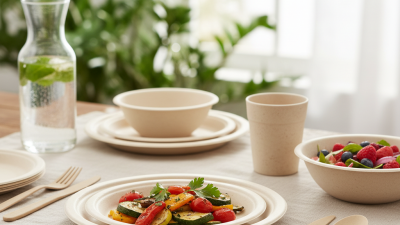
Using biodegradable plates can enhance the dining experience. They come in various designs and sizes, adding aesthetic value to meals. Guests often appreciate the choice, feeling they are making a responsible choice. It can even be a conversation starter, promoting discussions about sustainability. Many people favor products that reflect their values.
Tips: Consider the type of food served when selecting biodegradable plates. Certain materials work better with specific cuisines. Also, ensure that these plates are sturdy enough for your menu items. Try to source plates made from local materials to further reduce your carbon footprint.
Not all biodegradable plates are created equal. Some may not hold up well with wet or hot foods. Conduct experiments with different types to find the best option for your needs. Remember to educate your team on the benefits and usage of these plates to maximize their impact during service.
Environmental Impact of Traditional Disposable Plates
Traditional disposable plates are a significant concern for our environment. Made from materials like plastic and Styrofoam, they take hundreds of years to decompose. This lengthy process leads to overflowing landfills and harmful pollution. When these plates break down, they release toxic chemicals into the soil and water, disrupting ecosystems. They also pose a threat to wildlife, which can ingest the remnants.
In contrast, biodegradable small plates are designed to decompose naturally. They break down into organic matter within months, reducing landfill waste. Choosing these alternatives supports a circular economy. This shift encourages sustainable practices and reduces reliance on non-renewable resources. However, not all biodegradable products are created equal. Some may still require specific composting conditions to decompose properly.
It's crucial to examine the entire lifecycle of our products. Many consumers overlook the environmental costs associated with conventional disposables. Education about sustainable dining choices is lacking. We must reflect on our consumption habits to make better choices. Adopting biodegradable options is a step forward, but awareness and knowledge are essential for lasting impact.
Comparative Analysis: Biodegradable vs. Non-Biodegradable Options
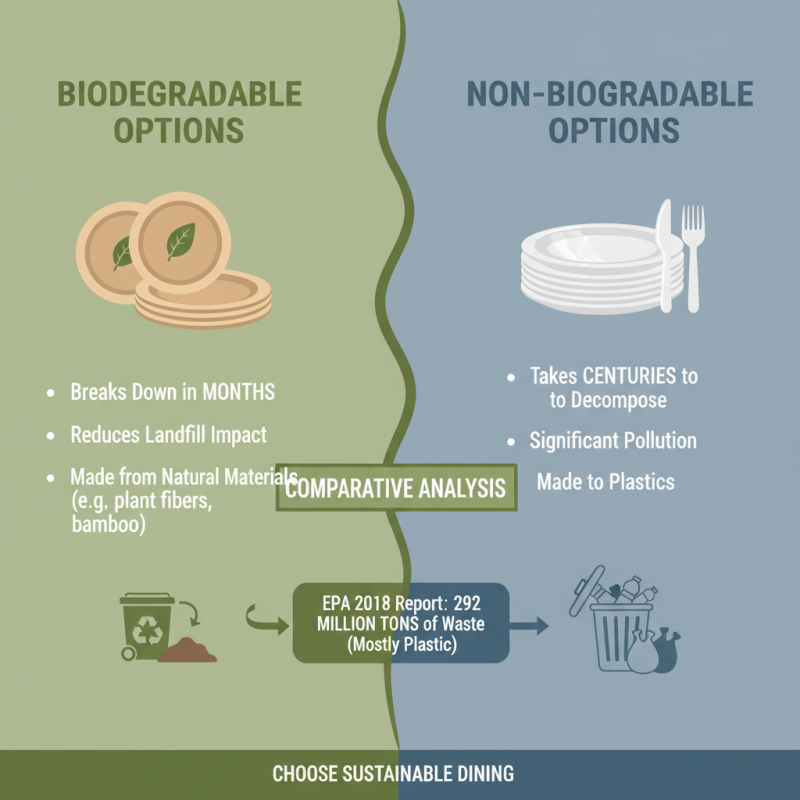
When considering sustainable dining, biodegradable small plates present a clear advantage over non-biodegradable options. Reports from the Environmental Protection Agency show that over 292 million tons of waste were generated in 2018. A significant portion of this was non-biodegradable plastics, which can take centuries to decompose. In contrast, biodegradable plates can break down in months under the right conditions, reducing landfill impact and pollution.
The lifecycle analysis of biodegradable materials reveals that they typically utilize renewable resources, such as plant fibers. For instance, a study published in the journal Waste Management points out that using materials like corn starch or bamboo can cut greenhouse gas emissions by 20-30% compared to traditional plastics. This is crucial as we aim for a reduction in our carbon footprint.
Tips: If you opt for biodegradable plates, ensure proper disposal to maximize environmental benefits. Also, consider the sourcing of the materials. Not all biodegradable products are created equal. Some may still cause environmental issues during production. Always check if they meet recognized composting standards for genuine sustainability.
Consumer Awareness and Trends in Sustainable Dining Practices
Consumer awareness around sustainable dining practices is on the rise. People are becoming more informed about their environmental impact. Biodegradable small plates are a reflection of this shift. They provide an eco-friendly alternative to traditional plasticware. Made from materials that break down naturally, these plates reduce landfill waste. Their use indicates a commitment to sustainability.
Dining establishments are responding to this trend. Many are adopting biodegradable options. Customers appreciate this choice, as it aligns with their values. Using these plates can enhance a restaurant’s appeal. However, some still question their durability and cost. This raises the need for more education on the benefits. Many potential consumers remain unaware of how effective these products can be.
The conversation around green dining continues to evolve. Discussions about convenience versus sustainability are crucial. Introducing biodegradable small plates is a small step that can lead to larger changes. Yet, not all biodegradable options are created equal. Consumers must be discerning in their choices. Awareness is key to making informed decisions for the environment.
Practical Tips for Incorporating Biodegradable Plates in Events
Biodegradable small plates offer an eco-friendly solution for dining events. They break down naturally, reducing waste and pollution. Incorporating these plates can enhance the sustainability of your gatherings. However, planning is essential for effective implementation.
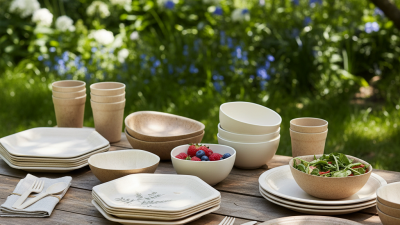
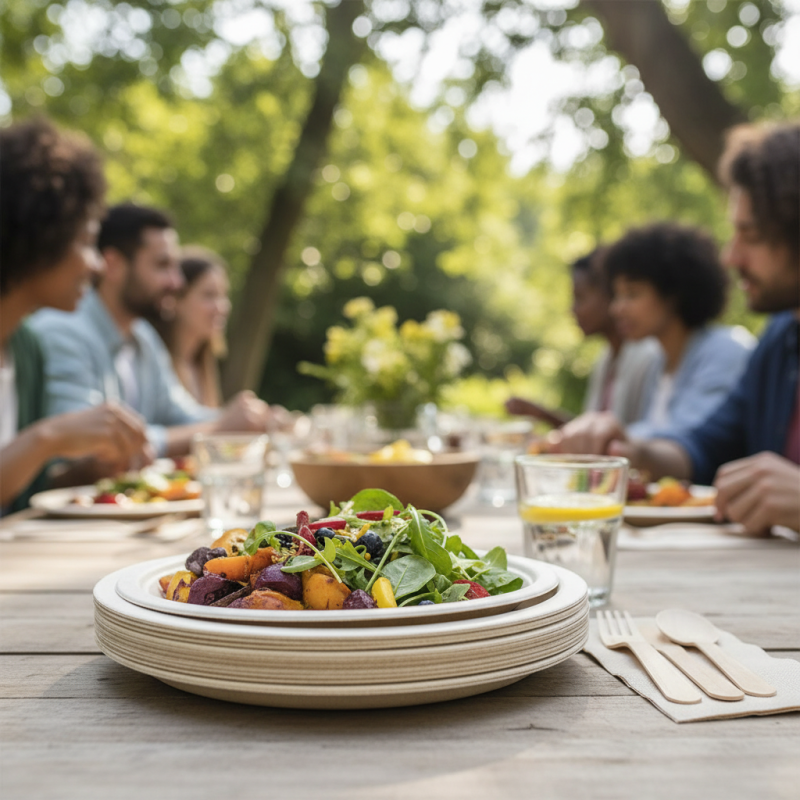
Consider the type of event. For outdoor picnics or casual parties, biodegradable plates made from natural materials work well. They can withstand a variety of foods while being environmentally conscious. It's also important to communicate with your guests. Let them know about your commitment to sustainability. This aligns everyone with your goals.
Think about waste disposal too. Providing separate bins for compostable materials is crucial. This step ensures that plates are properly disposed of and contribute to composting efforts. Don’t forget to test the plates with different foods beforehand. Some may not perform well under certain conditions. This can lead to a disappointing experience. Emphasizing preparation and awareness can make a significant difference.