Why Choose Plant-Based Tableware for Sustainable Living?
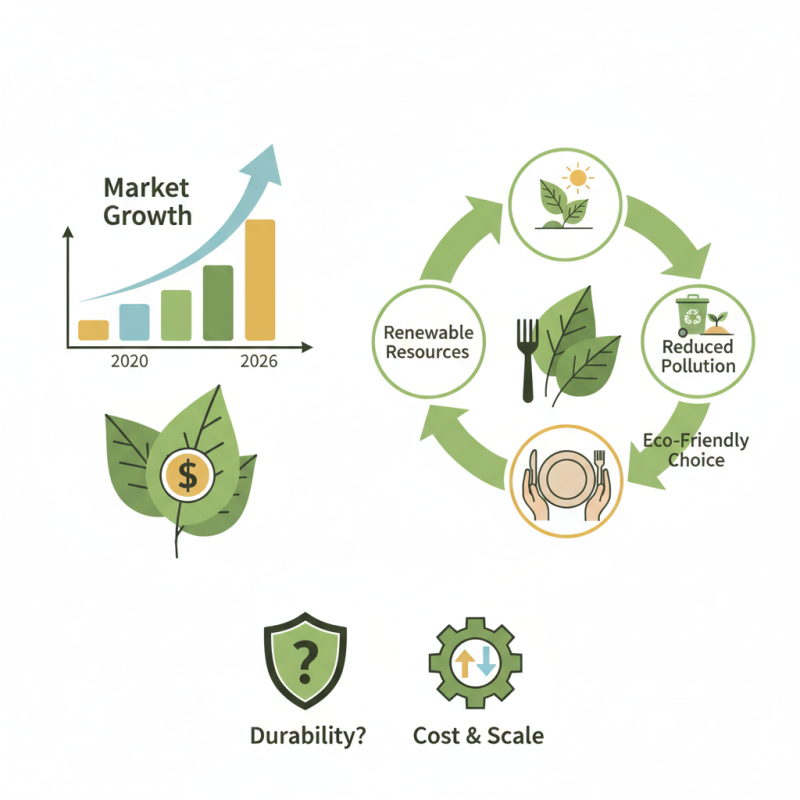
In recent years, the demand for sustainable solutions has surged. Plant-Based Tableware has emerged as a frontrunner in this movement. According to a report by Global Market Insights, the plant-based tableware market is expected to reach $7 billion by 2026. This growth reflects a shift in consumer preferences towards eco-friendly products.
Expert in sustainable packaging, Dr. Laura Green, emphasizes the importance of these alternatives: "Transitioning to plant-based options is not just a trend; it represents a fundamental change in how we consume and dispose of goods." This statement underscores the urgency of adopting Plant-Based Tableware to combat environmental challenges.
The production of traditional plastics contributes to significant pollution. In contrast, Plant-Based Tableware is made from renewable resources, offering a sustainable solution. However, challenges remain in scaling production and reducing costs. Reflecting on the industry, many still question the durability of these products compared to conventional options. As the market evolves, it is essential to strike a balance between sustainability and functionality.
Benefits of Plant-Based Tableware for the Environment
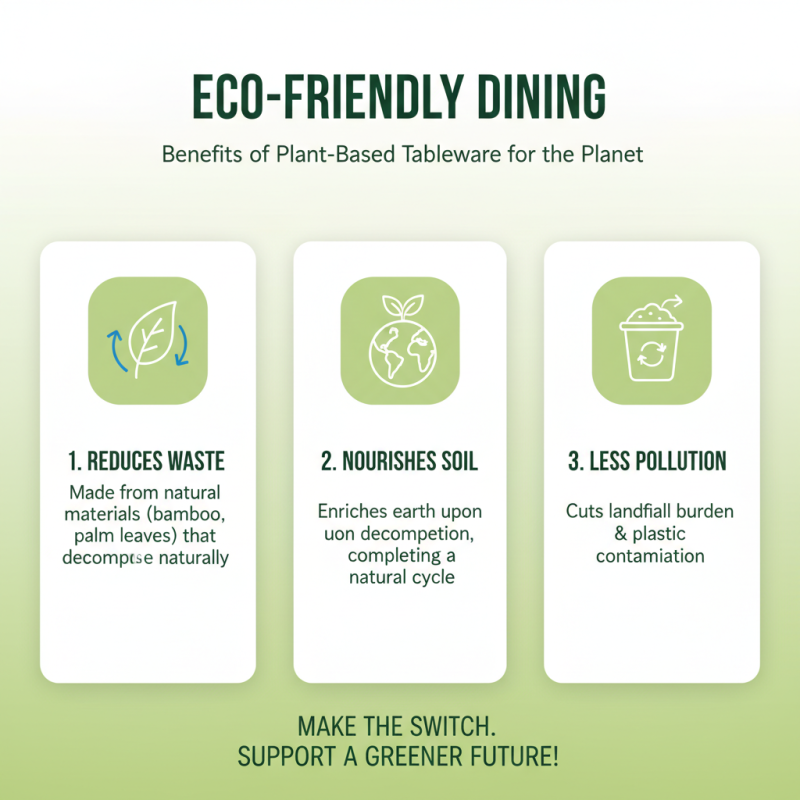
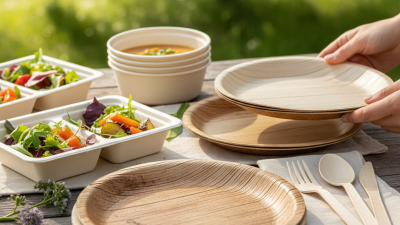
Plant-based tableware is gaining traction as a sustainable alternative to traditional products. Made from materials like bamboo, sugarcane, and palm leaves, these items decompose naturally, reducing landfill waste. They offer a compelling choice for eco-conscious consumers. When you opt for plant-based options, you’re supporting a cycle that nurtures the planet. However, many are still unsure about their advantages.
One significant benefit is the reduction of plastic pollution. Plant-based tableware often breaks down within a few months, unlike plastic, which can take hundreds of years. This transition can lessen the impact on marine life. For example, reducing plastic use in picnics or parties helps keep our oceans cleaner. Choosing these products at gatherings fosters awareness about sustainability. However, it’s crucial to verify their compostability claims.
Tips: When purchasing, look for certifications. Choose products that clearly state they’re made from renewable resources. Even small changes can lead to significant impacts. Try mixing plant-based items with biodegradable utensils or linens. Everyone has a role in promoting healthier choices. Remember that not all plant-based products are equal; some may still have processing chemicals. Researching before making a choice is vital. Your efforts count toward a more sustainable future.
Key Materials Used in Plant-Based Tableware Production
Plant-based tableware is gaining popularity for its eco-friendly qualities. The primary materials for creating these products are often derived from agricultural waste. Common examples include sugarcane bagasse and bamboo fibers. These materials are biodegradable and compostable, making them a sustainable choice.
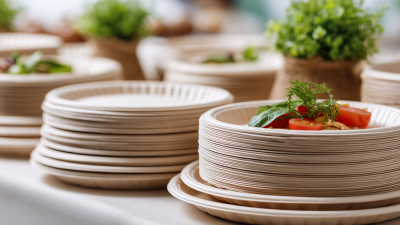
Sugarcane bagasse is a byproduct of sugar production. After extracting the juice, the leftover pulpy fibers are molded into plates and bowls. This process reduces waste and gives a second life to agricultural byproducts. Bamboo fibers offer another sustainable option. Bamboo grows quickly and doesn’t require replanting after harvest. These traits make it a renewable resource for tableware.
Despite their benefits, challenges exist. The durability of some plant-based products might not match traditional plastic. They can be more sensitive to high heat or moisture. Not all consumers are aware of these limitations. Education on usage and care is essential for maximizing their potential. Choosing plant-based tableware requires a commitment to sustainable habits and conscious consumption.
Comparing Plant-Based and Traditional Tableware Options
When comparing plant-based and traditional tableware options, sustainability becomes a critical factor. Traditional plastic tableware often takes hundreds of years to decompose. According to a report by the Biodegradable Products Institute, only about 9% of plastic waste is ever recycled. This highlights a growing issue for the environment.
In contrast, plant-based tableware uses materials like sugarcane or bamboo, offering a more eco-friendly alternative. These materials are biodegradable and can decompose within 90 to 180 days in a composting environment. A study from the Ellen MacArthur Foundation suggests that shifting to biodegradable options could significantly reduce landfill waste, leading to cleaner ecosystems. However, not every plant-based option is created equal. Some biodegradables may release methane in landfills, raising questions about their overall impact.
Consumer awareness is increasing, yet misconceptions remain. Many people assume all compostable products are equally sustainable. In reality, the sourcing and processing of materials vary widely. While choosing plant-based tableware is a step forward, it’s essential to examine the entire lifecycle of the products. Understanding these nuances can guide smarter choices for sustainable living.
Why Choose Plant-Based Tableware for Sustainable Living? - Comparing Plant-Based and Traditional Tableware Options
| Feature |
Plant-Based Tableware |
Traditional Tableware |
| Material Source |
Renewable plant materials (e.g., sugarcane, bamboo) |
Plastic or petroleum-based materials |
| Biodegradability |
100% biodegradable in composting conditions |
Can take hundreds of years to decompose |
| Environmental Impact |
Lower carbon footprint and eco-friendly production |
Higher carbon footprint and environmental pollution |
| Cost |
Generally higher upfront cost, but can reduce waste disposal costs |
Lower initial cost; ongoing waste management costs |
| Usability |
Strong and durable for hot and cold food |
Versatile but can leach chemicals at high temperatures |
| Aesthetic Appeal |
Natural look and customizable designs |
Variety of designs but may appear less natural |
Consumer Trends Towards Sustainable Living and Tableware Choices
As consumers become more environmentally conscious, the shift towards sustainable living is evident in many choices, including tableware. People are increasingly aware of their ecological footprint. Traditional plastics contribute significantly to pollution and waste. In contrast, plant-based tableware offers a compelling alternative.
Choosing plant-based options can reduce landfill impact. These materials are often biodegradable, making them a better choice for the environment. They decompose naturally, unlike their plastic counterparts. However, not all plant-based products are the same. Some may still contain harmful additives. Research is essential before purchasing.
Tips: Look for certifications that indicate sustainable practices. Research brands to ensure they align with your values. Consider durability; some plant-based items may not hold up well. While making conscientious choices is commendable, it's important to remember that sustainability is a journey, not a destination. Strive for improvement, but understand that perfection is unattainable. Embrace the learning process as you transition towards more sustainable living.
Consumer Preferences for Tableware Materials (2023)
This chart illustrates the consumer preferences for different tableware materials in 2023. It's evident that ceramic and plastic remain the most popular choices among consumers, while plant-based options are gradually gaining recognition as sustainable alternatives. This shift reflects the growing trend towards sustainable living.
Practical Tips for Transitioning to Plant-Based Tableware in Daily Life
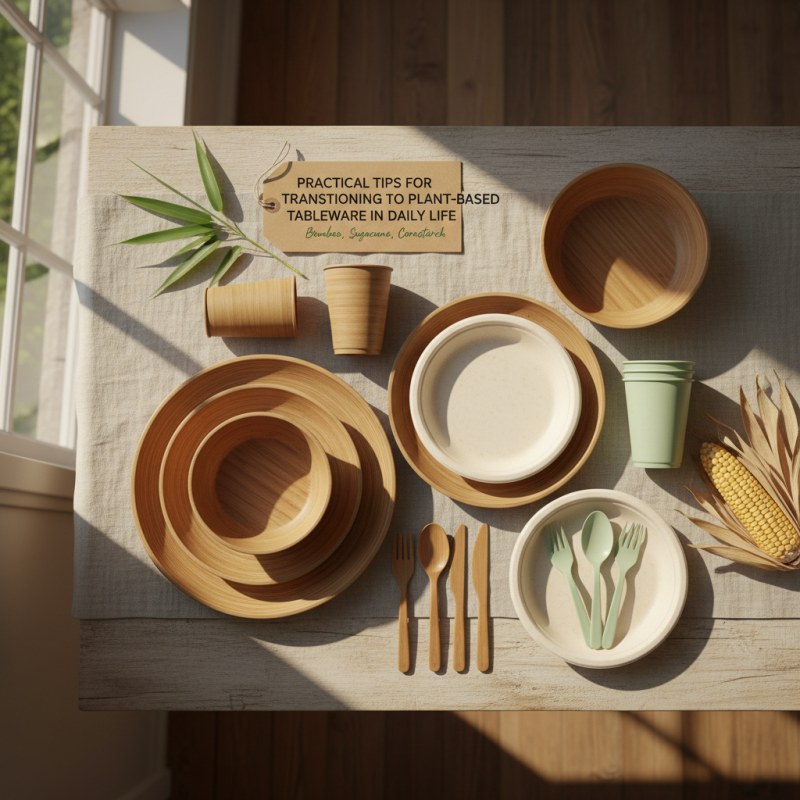
Transitioning to plant-based tableware can be a rewarding move towards sustainable living. Start by evaluating your current tableware. Look for items made from natural materials like bamboo, sugarcane, or cornstarch. These are biodegradable and less harmful to the environment. When selecting plant-based options, consider their durability. Some items may not be as sturdy as traditional plastic or ceramic. This means they might break or bend easily.
Incorporating these materials into your daily life requires some adjustments. For example, you might need to handle them more gently. It’s also essential to understand their limitations. Not all plant-based tableware can withstand high temperatures or be used in microwaves. Learning these nuances can prevent frustrating experiences.
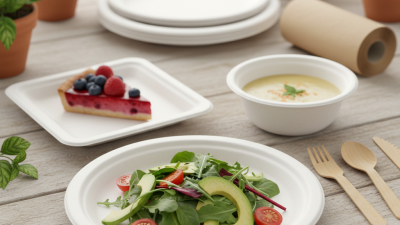
Additionally, get creative with your table settings. Mix and match different materials for a unique look. When hosting, inform your guests about the change. Educating them can foster a greater appreciation for sustainable choices. It may take time to fully embrace this shift. But by aligning your daily habits with eco-friendly practices, you contribute to a healthier planet.