Best Biodegradable Crockery Options for Sustainable Events?
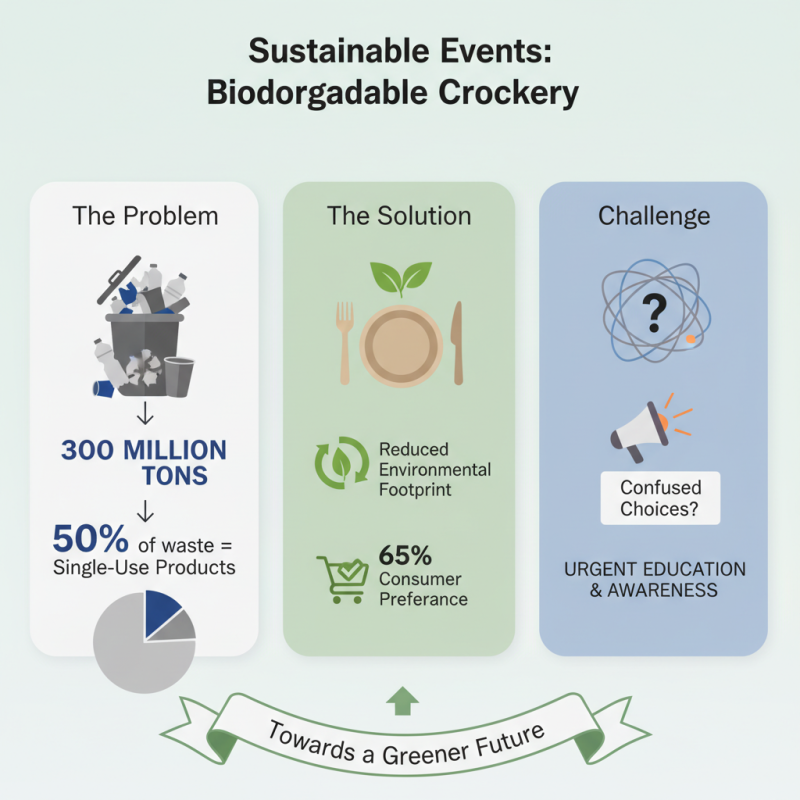
In recent years, the demand for sustainable practices at events has surged. With over 300 million tons of plastic produced annually, the push for eco-friendly solutions is critical. Biodegradable crockery has emerged as a leading option in this movement. It provides a practical alternative to traditional disposable tableware.
In a 2022 report by the Environmental Protection Agency, nearly half of all waste comes from single-use products. This statistic highlights the much-needed shift to biodegradable materials. Companies are increasingly prioritizing biodegradable crockery for events, reducing their environmental footprint significantly. Despite their benefits, awareness is still lacking among many event planners.
Choosing the right biodegradable crockery can be challenging. Options vary widely in material and biodegradability, and not all products are created equal. A recent survey revealed that 65% of consumers prefer brands that invest in sustainable practices. This indicates a clear market preference, but many also face confusion about the best choices. Urgent discussion and education on this topic remain essential for achieving sustainability goals.
Overview of Biodegradable Crockery and Its Importance for Sustainability
Biodegradable crockery has gained attention for its role in promoting sustainability. Research indicates that approximately 300 million tons of plastic waste are generated annually, with a significant portion ending up in landfills and oceans. Traditional options, like plastic plates and cutlery, contribute to this environmental crisis. Switching to biodegradable options can help reduce waste and minimize ecological footprints.
The production of biodegradable materials often utilizes renewable resources. Many biodegradable products break down naturally, reducing long-term pollution. Studies show that compostable items degrade within 90 to 180 days in the right conditions. This quick turnaround is vital for event planners aiming for eco-friendly practices. However, misunderstandings persist regarding the term "biodegradable." Not all biodegradable products break down easily in landfills. Regular waste management can hinder degradation, emphasizing the need for proper disposal methods.
Organizing sustainable events is becoming increasingly important. Biodegradable crockery offers a viable solution, but challenges remain. The cost of these alternatives can be higher, and their availability may vary. Educating consumers and organizers about proper disposal practices is crucial. Sustainability must prioritize not just product choices but also infrastructure and public awareness.
Types of Biodegradable Materials Used in Crockery Production
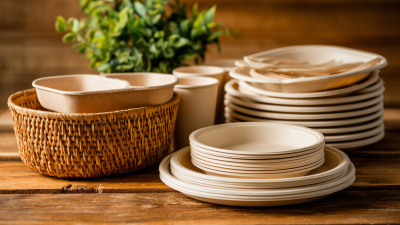
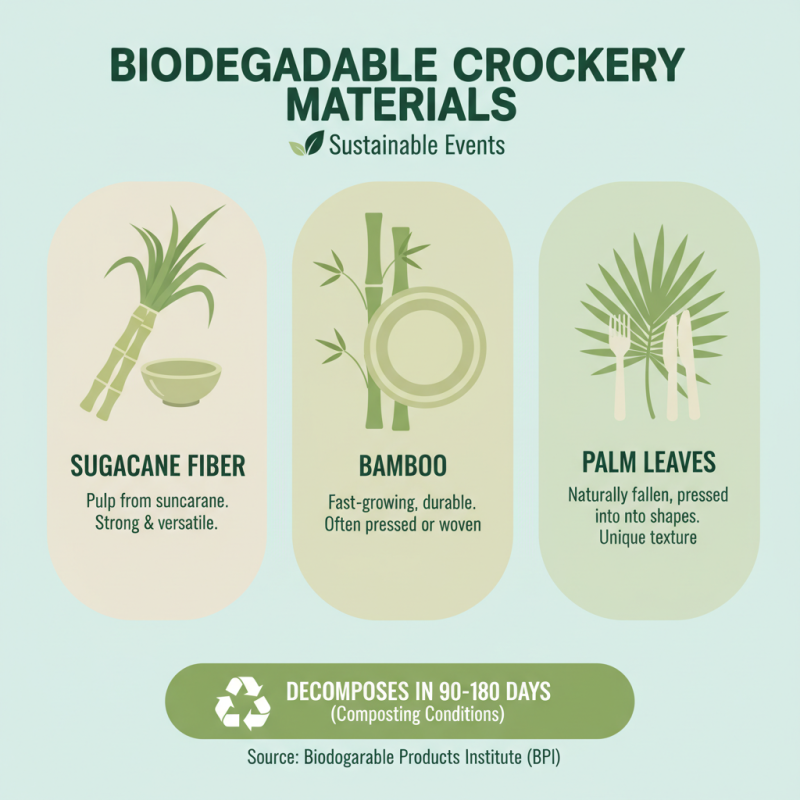
When planning sustainable events, choosing the right materials for crockery is crucial. Biodegradable materials are gaining popularity due to their environmental benefits. They decompose naturally, reducing waste in landfills. Notably, materials like sugarcane, bamboo, and palm leaves are often used in crockery production. According to a report by the Biodegradable Products Institute (BPI), these materials can break down within 90 to 180 days in composting conditions.
Sugarcane, specifically the byproduct known as bagasse, is an excellent choice. It is sturdy and versatile for various food types. Bamboo is also favored for its rapid growth and renewability. It requires minimal resources, making it an eco-friendly option. However, there are concerns. Some products may need specific composting conditions to degrade effectively. This can lead to confusion about proper disposal methods at events.
Palm leaf plates provide a unique aesthetic and are often seen as a premium option. They are durable and do not leak. Still, sourcing practices must be scrutinized to ensure they are sustainable. The rise in demand for biodegradable crockery highlights a shift towards eco-conscious choices. However, event planners must remain informed about material sourcing and disposal to truly achieve sustainability.
Factors to Consider When Choosing Biodegradable Crockery
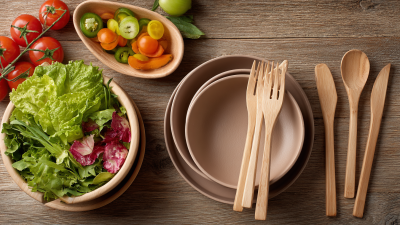
When choosing biodegradable crockery, several factors come into play. One key consideration is the material. Options include cornstarch, palm leaves, and bamboo. Each has its unique properties. Cornstarch plates are compostable and lightweight. Palm leaf dishes are sturdy and have a natural aesthetic. Bamboo alternatives offer durability and an eco-friendly profile.
Another important factor is the intended use. Will the crockery hold hot or cold food? Some materials perform better than others under temperature stress. Additionally, consider the event type. Formal gatherings might require more elegant designs, while casual events could benefit from simple and functional options.
Lastly, investigate the disposal process. Even biodegradable doesn’t mean it can go anywhere. Check local composting guidelines to ensure proper disposal. Reflect on the event's overall impact. While biodegradable options reduce waste, they still require responsible management. The choice of crockery should align with a commitment to sustainability, making events memorable and environmentally conscious.
Popular Brands Offering Biodegradable Crockery Solutions
When planning sustainable events, choosing biodegradable crockery is crucial. There are various brands that offer eco-friendly solutions. These products are made from materials like sugarcane, bamboo, and palm leaves. They look and feel similar to traditional crockery but break down naturally over time. This reduces waste and minimizes the environmental impact.
Many brands prioritize sustainability in their production processes. They ensure that their items do not contribute to plastic pollution. However, not all products are created equal. It's essential to research the sourcing and production methods of different brands. Some may not fully degrade in all composting conditions. This means that while they are better than plastic, they still require proper disposal methods.
The growing demand for biodegradable options is promising. It signals a shift towards more responsible consumption. Yet, it also raises questions about pricing and accessibility. Eco-friendly alternatives can sometimes be more expensive. This could discourage some event organizers from making the switch. Balancing cost and sustainability remains a challenge. It’s a journey worth exploring for a greener future.
Best Biodegradable Crockery Options for Sustainable Events
| Type of Crockery |
Material |
Compostable |
Microwave Safe |
Price Range (per unit) |
| Plates |
Bagasse |
Yes |
Yes |
$0.15 - $0.25 |
| Bowls |
Palm Leaf |
Yes |
No |
$0.20 - $0.30 |
| Cutlery |
Starch-based Plastic |
Yes |
Yes |
$0.05 - $0.10 |
| Cups |
PLA (Polylactic Acid) |
Yes |
Yes |
$0.10 - $0.20 |
| Wraps |
Rice Paper |
Yes |
No |
$0.03 - $0.05 |
Creative Ways to Incorporate Biodegradable Crockery in Event Planning
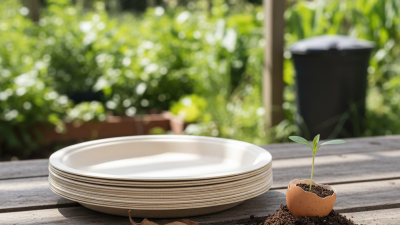
Event planners often seek eco-friendly solutions. Biodegradable crockery offers a sustainable alternative to traditional options. They can significantly reduce waste at events. Using materials like palm leaves, bamboo, or even compostable plastics can make a big impact. These materials break down naturally, leaving no harmful residues.
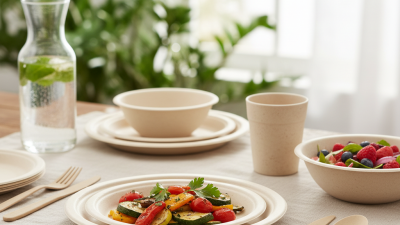
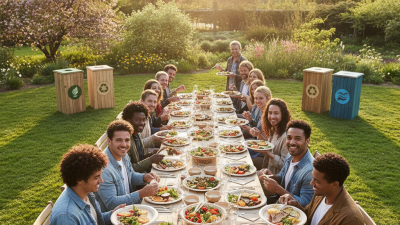
Incorporating biodegradable crockery creatively can enhance the event experience. Consider themed dining setups where the crockery aligns with the event's ethos. For outdoor events, use nature-inspired designs that complement the scenery. This ties in sustainability with aesthetic appeal. Share the story of your products with guests to raise awareness about eco-friendly choices.
However, not all biodegradable options are suitable for every occasion. Certain materials may not hold up well under hot dishes. It’s essential to test items in advance. Guests may not appreciate flimsy plates, so quality matters. The transition to biodegradable options involves a learning curve, but the effort can lead to more responsible celebrations.
Best Biodegradable Crockery Options for Sustainable Events