How to Choose the Best Degradable Takeout Box for Your Needs?
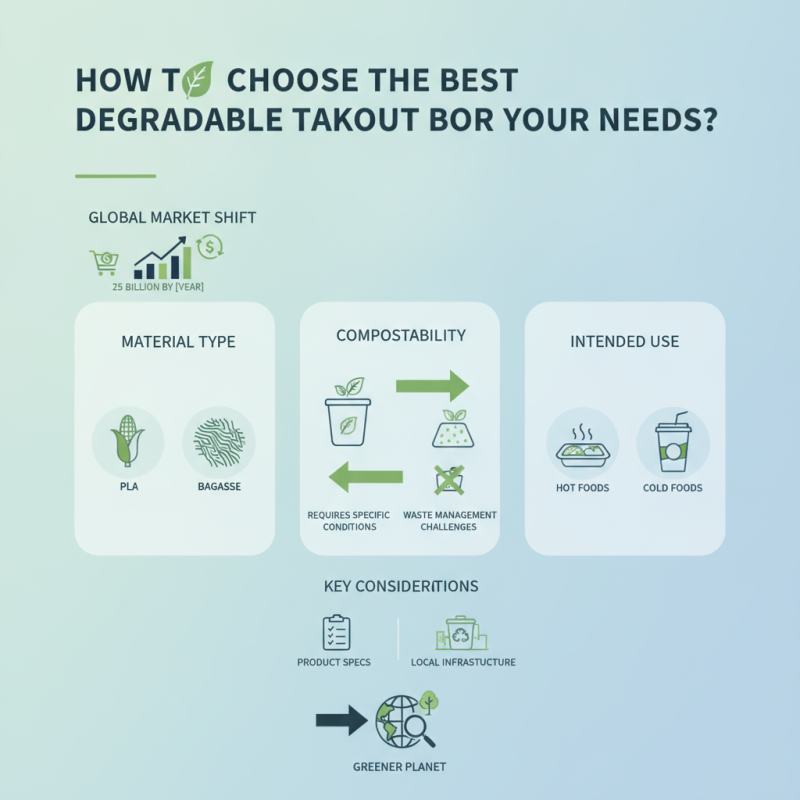
The growing concern over environmental sustainability has brought degradable takeout boxes into the spotlight. According to a recent study by Smithers Pira, the global market for biodegradable packaging is projected to reach $25 billion by 2024. This shift reflects a rising demand for eco-friendly alternatives in various sectors, particularly the food industry. Businesses are increasingly seeking solutions to reduce their carbon footprint while catering to eco-conscious consumers.
When selecting a degradable takeout box, it's essential to consider multiple factors such as material type, compostability, and the box's intended use. For instance, polylactic acid (PLA) and bagasse are popular materials known for their degradation properties. However, not all degradable takeout boxes are created equal. Some may require specific conditions to break down effectively. A 2020 report from the Ellen MacArthur Foundation highlights that only a fraction of biodegradable materials are properly processed, leading to waste management challenges.
Choosing the right degradable takeout box can be daunting. It requires an understanding of product specifications and local waste management infrastructure. Many businesses might overlook key details when making their selection. This can result in additional landfill waste if the wrong type is chosen. Careful research and consideration are vital to ensure that the choice aligns with sustainability goals, ultimately contributing to a greener planet.
Understanding Degradable Materials in Takeout Boxes
When selecting degradable takeout boxes, understanding the materials is crucial. Many options exist, including PLA (polylactic acid) and bagasse, a natural fiber. According to industry studies, over 25% of single-use containers are now made from these materials. PLA is derived from corn starch, making it a popular choice. It biodegrades under specific conditions, often requiring industrial composting.
Bagasse, on the other hand, comes from sugarcane and is highly versatile. It can decompose within 90 days under proper conditions. However, the degradation rate can vary significantly based on disposal methods. Studies show that only 22% of users dispose of biodegradable containers correctly.
This discrepancy highlights the importance of consumer education. While degradable options are advancing, choosing the right product means understanding local waste management systems. The effectiveness of these materials largely depends on proper disposal practices. It's not just about choosing a sustainable option, but also ensuring it is used and disposed of correctly.
Evaluating Environmental Impact of Different Takeout Box Options
When evaluating the environmental impact of takeout boxes, multiple factors come into play. Biodegradable options, often made from materials like cornstarch or bamboo, are becoming increasingly popular. According to a recent study by the Ellen MacArthur Foundation, plastic pollution causes significant harm to marine ecosystems and wildlife. This highlights the critical necessity of alternative materials.
While biodegradable boxes are a sustainable choice, their decomposition process varies. For instance, boxes made from plant-based materials can break down within 90-180 days in industrial composting facilities. Yet, in a landfill, they may take much longer. To optimize their benefits, consumers should ensure these boxes are disposed of correctly. Research indicates proper composting can reduce waste by up to 50%, proving that disposal practices are vital.
Moreover, not all biodegradable materials are created equal. A report from the World Wildlife Fund suggests that some plant-based options still require significant resources for production, like water and energy. This raises questions about the overall lifecycle impact. It's essential to choose options that not only break down efficiently but also minimize resource usage in their manufacturing. Thoughtful evaluation of these factors can lead to more sustainable choices in the long run.
How to Choose the Best Degradable Takeout Box for Your Needs? - Evaluating Environmental Impact of Different Takeout Box Options
| Material Type |
Compostability |
Biodegradation Time |
User Experience |
Cost per Unit |
| PLA (Polylactic Acid) |
Compostable |
90-180 days |
Good rigidity, suitable for hot foods |
$0.25 |
| Bagasse (Sugarcane Fiber) |
Compostable |
30-90 days |
Sturdy and grease-resistant |
$0.30 |
| Palm Leaf |
Biodegradable |
60-180 days |
Natural appearance, sturdy |
$0.50 |
| Recycled Paper |
Biodegradable |
90-180 days |
Lightweight, good for dry foods |
$0.20 |
| Mushroom Packaging |
Compostable |
30-90 days |
Unique texture, lightweight |
$0.40 |
Identifying Size and Design Preferences for Takeout Boxes
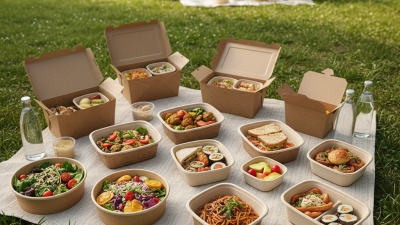
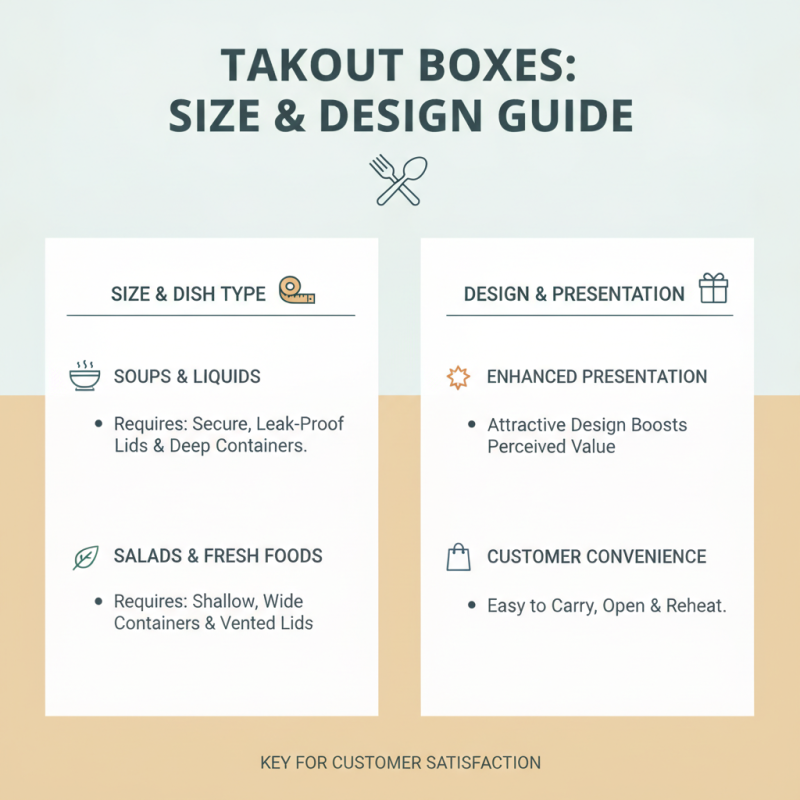
Choosing the right takeout box involves understanding your size and design preferences. Different dishes require different box types. For example, soups need containers with secure lids, while salads benefit from shallow boxes to maintain freshness. The right design can enhance presentation and convenience, crucial for customer satisfaction.
Consider how many portions are typically served. If you often cater for large gatherings, opt for larger boxes. Smaller, individual servings are better for casual meals. Don't forget to think about stackability. Boxes that nest well can save space for storage.
Lastly, aesthetics matter. A well-designed box can elevate the dining experience. Choose colors and shapes that reflect your brand. However, it’s easy to get lost in design choices. Balancing practicality with appearance demands careful thought. Each decision impacts usability and sustainability. Reflect on your needs regularly, as they may change over time.
Comparing Cost and Availability of Degradable Takeout Boxes
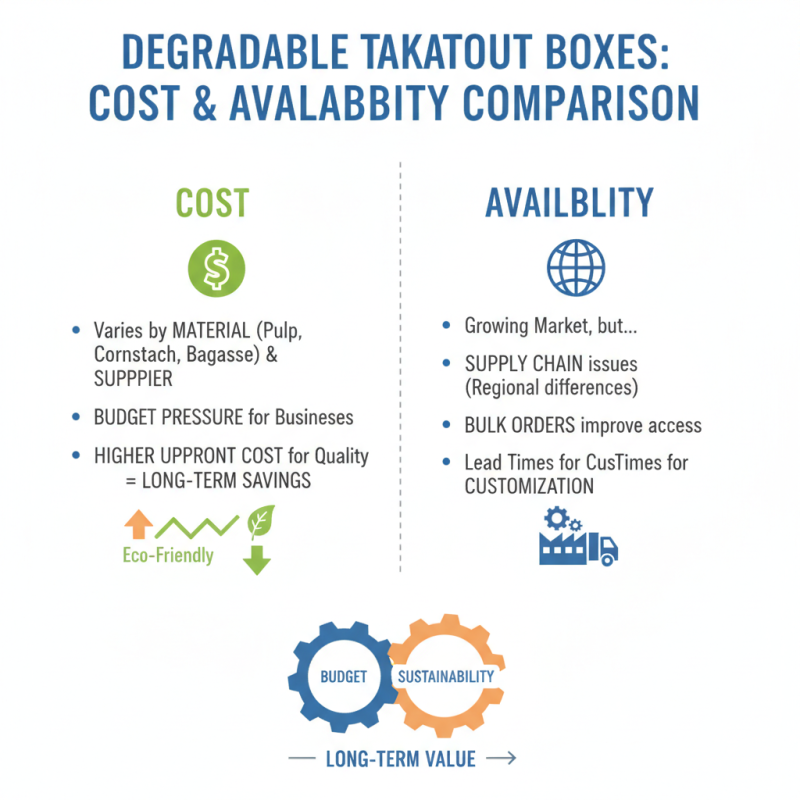
When selecting degradable takeout boxes, cost and availability are crucial factors. Prices can vary significantly based on materials and suppliers. Many businesses feel pressured by tight budgets. Higher quality options may cost more upfront but can prove economical in the long run.
Finding a reliable supplier is essential. Some regions have limited options, making it hard to source. Research local suppliers who offer biodegradable boxes. Online marketplaces can also help. While prices may initially seem low, consider the shipping costs to your area.
Be wary of overly cheap products. They might not meet the necessary degradation standards. Local regulations vary on what is considered compliant. Understanding your local market is vital. Engage with other businesses in your area for insights. Balancing cost, quality, and eco-friendliness requires careful consideration and sometimes, a bit of trial and error.
Assessing Durability and Functionality for Specific Food Types
Selecting the right degradable takeout box involves assessing its durability and functionality, especially concerning various food types. Research highlights that biodegradable materials can break down within 90 days, significantly reducing plastic waste. However, not all degradable boxes perform equally. For instance, some may struggle with greasy or hot foods, leading to leaks or structural failure.
Certain studies reveal that PLA (polylactic acid) and sugarcane fiber boxes excel with dry and acidic foods but falter under high temperatures. This is critical if you often serve hot soup or fried items. The design must accommodate these factors. Testing different materials in real-world scenarios is paramount.
While some degradable options are compostable, their effectiveness can depend on environmental conditions such as humidity and temperature. This raises important questions: How does the composting process vary across regions? What local facilities support proper disposal? Every choice has performance limits. Users must reflect on these aspects to choose effectively.
Durability and Functionality of Degradable Takeout Boxes