Top Benefits of Choosing Biodegradable Disposable Trays?
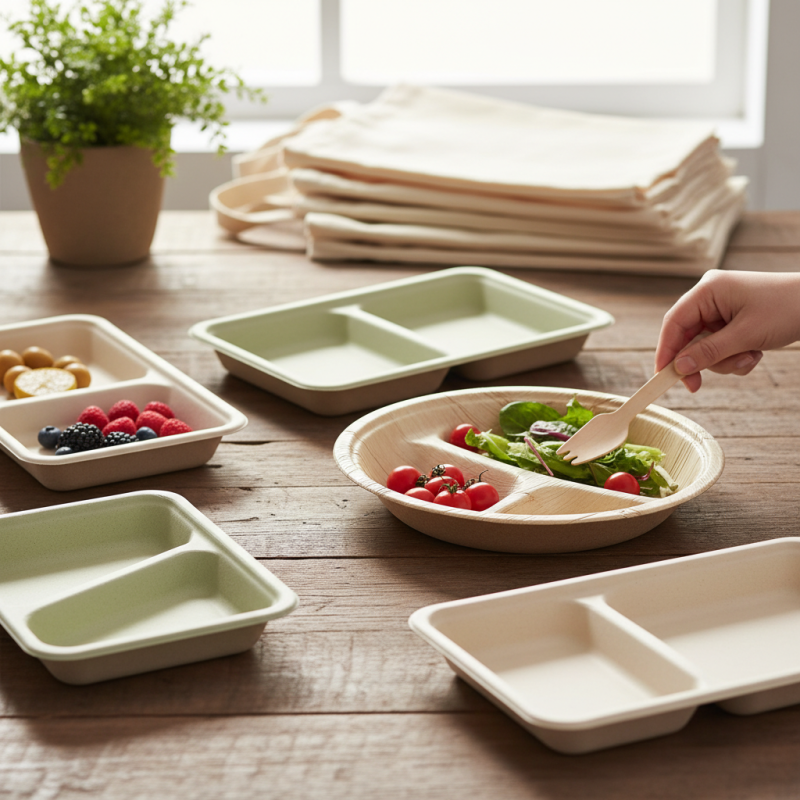
In today's environmentally conscious world, the demand for sustainable products is higher than ever. The Biodegradable Disposable Tray stands out as a practical alternative to traditional plastic options. These trays offer a range of benefits that cater to both consumers and businesses seeking eco-friendly solutions.
Using a Biodegradable Disposable Tray positively impacts our planet. They break down naturally over time, reducing landfill waste. This benefit supports efforts to combat pollution. Additionally, many companies are adopting these trays to enhance their green image. It can attract customers who prioritize sustainability. However, some may argue that biodegradable options come at a higher cost. It's essential to weigh the benefits against the price.
Not all biodegradable products are created equal. Consumers should look for certifications and proper labeling. This helps ensure you are making a reliable choice. When choosing a Biodegradable Disposable Tray, consider factors such as material, sourcing, and disposal methods. By making informed decisions, we can contribute to a healthier environment.
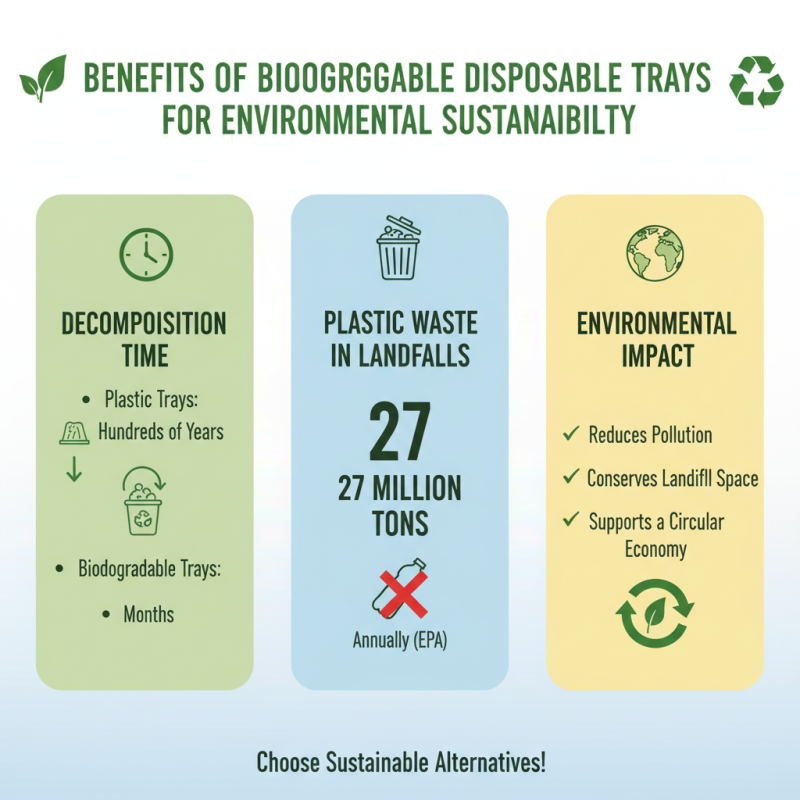
Benefits of Biodegradable Disposable Trays for Environmental Sustainability
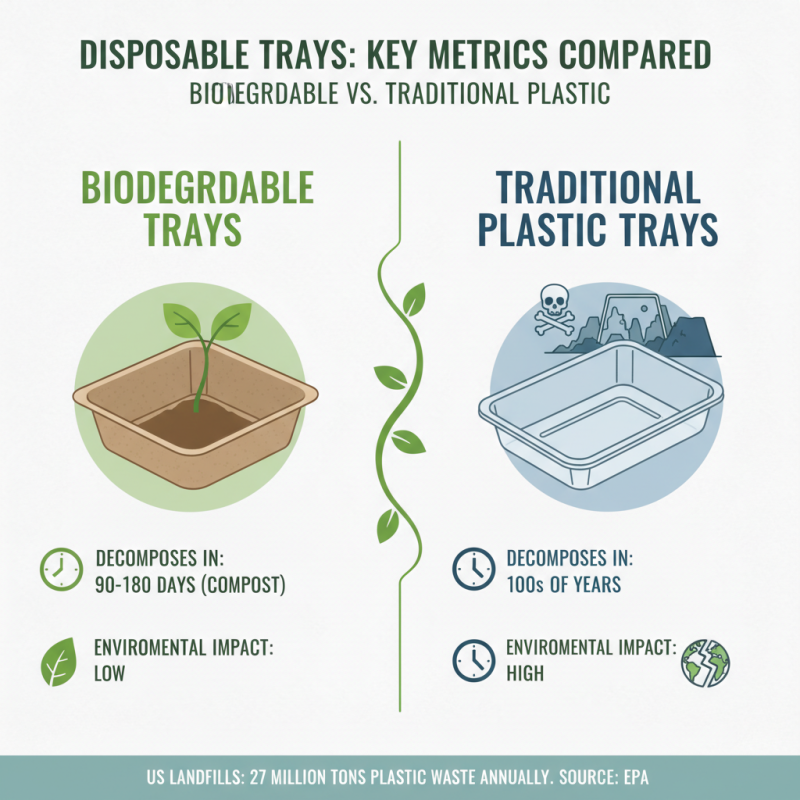
Biodegradable disposable trays serve a crucial role in enhancing environmental sustainability. Traditional plastic trays take hundreds of years to decompose. In contrast, biodegradable options break down in months. The EPA highlights that over 27 million tons of plastic waste end up in landfills annually. This statistic underscores the urgent need for alternatives.
Using biodegradable trays reduces carbon footprints. Research shows they can cut greenhouse gas emissions significantly during production. In fact, alternatives made from materials like bamboo or sugarcane can lower emissions by up to 30%. Such trays not only benefit the environment but also promote responsible consumption practices.
Yet, there are challenges with biodegradable products. Not all biodegradable materials decompose efficiently without the right conditions. Consumer awareness is also low. Many people still associate disposables with pollution. Addressing these gaps is essential for maximizing the potential benefits of biodegradable trays. Understanding their role can foster a shift in consumer behavior, paving the way for more sustainable choices in the future.
Economic Advantages of Using Biodegradable Trays in Food Service Industry
Biodegradable disposable trays are gaining traction in the food service industry for their economic benefits. Data reveals that restaurants using these trays reduce waste disposal costs by approximately 30%. As more consumers seek sustainable options, these trays can attract eco-conscious diners. They offer a competitive edge in a crowded market.
Additionally, many establishments find that biodegradable trays can lower packaging costs. Reports indicate that businesses can save up to 15% on procurement when switching to biodegradable materials. This is a crucial factor for food services, where margins are often tight. However, the initial investment can be higher; thus, businesses must evaluate their budgets carefully.
Tips: Consider conducting a trial run with biodegradable trays to assess customer feedback and cost-effectiveness. Look for local suppliers to cut transportation costs. Evaluate your waste management system to maximize the benefits of these eco-friendly products. Such steps can help in creating a sustainable, yet profitable, business model.
Comparison of Biodegradable vs. Traditional Disposable Trays: Key Metrics
When comparing biodegradable disposable trays to traditional options, key metrics reveal significant differences. Biodegradable trays typically break down within 90 to 180 days in composting conditions. In contrast, traditional plastic trays can persist for hundreds of years. This insight aligns with the findings of the Environmental Protection Agency, which states that about 27 million tons of plastic waste end up in U.S. landfills each year.
The environmental impact is another crucial comparison. Biodegradable trays often contain materials like PLA (polylactic acid) and make use of renewable resources. They emit fewer greenhouse gases—up to 75% less during production—than their plastic counterparts. Data from a 2022 study reveals that switching to biodegradable options could reduce landfill waste by 42%. While the manufacturing process of biodegradable trays may require more energy, the long-term benefits for waste management are substantial.
However, there are challenges. Not all biodegradable products decompose effectively in standard landfill conditions. Some require specific facilities for proper composting. According to industry reports, only 30% of composting facilities are equipped to handle these materials. This indicates a need for improved infrastructure to maximize the benefits of biodegradable trays. The awareness and understanding of consumers also play a vital role in determining the success of these sustainable alternatives.
Consumer Preferences and Trends Towards Eco-Friendly Packaging Solutions
As consumers become more aware of environmental issues, their preferences shift towards eco-friendly packaging solutions. One noticeable trend is the growing acceptance of biodegradable disposable trays. These trays serve various needs, from food service to events, while minimizing the ecological footprint.
The appeal of biodegradable trays lies in their short lifespan in landfills. Unlike traditional plastic, they break down naturally, reducing long-term waste. Consumers appreciate this factor significantly. The visual of a clean environment resonates well with the public. However, some may question the effectiveness and consistency of these products. Certain biodegradable trays may not decompose as promised, raising concerns about their genuine environmental impact.
Additionally, the move towards sustainable options reflects a broader consumer desire for conscious choices. Shoppers often seek products that align with their values. Nevertheless, the market is still adapting. Not every store carries these eco-friendly alternatives. This inconsistency can frustrate consumers trying to make responsible decisions. As the demand increases, perhaps more businesses will find reliable, sustainable solutions. With time, education and awareness could reshape consumer habits toward lasting change.
Top Benefits of Choosing Biodegradable Disposable Trays
| Benefit |
Description |
Consumer Preference (%) |
| Environmental Impact |
Reduces plastic waste and overall pollution. |
67% |
| Health and Safety |
Does not leach harmful chemicals into food. |
75% |
| Brand Image |
Enhances brand reputation for sustainability. |
62% |
| Consumer Demand |
Increasing demand for eco-friendly products. |
80% |
| Composting |
Can be composted at home or industrially. |
58% |
Impact of Biodegradable Trays on Waste Reduction and Carbon Footprint
Biodegradable disposable trays have gained significant attention in recent years. They offer a sustainable alternative to traditional plastic trays. The impact of these trays on waste reduction is profound. Unlike plastics, biodegradable materials break down naturally over time. This characteristic reduces landfill waste and minimizes environmental harm.
The manufacturing process of biodegradable trays often emits fewer greenhouse gases. This leads to a smaller carbon footprint compared to conventional options. Despite these advantages, it is vital to acknowledge that not all biodegradable products are equally effective. Some may require specific conditions to decompose fully. Awareness of these factors can help consumers make informed choices.
Moreover, the transition to biodegradable trays is not without challenges. Costs can be higher than standard disposables. Additionally, there might be confusion about disposal methods. Many users are still unsure how to recycle or compost these materials correctly. Addressing these issues is essential for achieving an environmentally friendly approach.
Impact of Biodegradable Trays on Waste Reduction and Carbon Footprint
The chart above illustrates the significant difference in waste generation between traditional trays and biodegradable trays. By opting for biodegradable trays, the reduction in waste can greatly contribute to environmental sustainability and a lower carbon footprint.