Why Choose Biodegradable Disposable Tableware for Sustainability?
The growing concerns over environmental degradation compel us to seek sustainable alternatives. One solution lies in Biodegradable Disposable Tableware. As of 2023, research shows that over 300 million tons of plastic are produced each year, with a significant portion ending up in landfills and oceans. This alarming statistic underscores the imperative need for eco-friendly options.
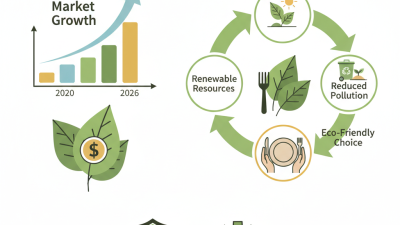
Biodegradable Disposable Tableware offers a crucial alternative. Made from natural materials, these products can decompose within months rather than decades. According to a recent industry report, the global biodegradable tableware market is projected to reach $10 billion by 2027, reflecting a shifting consumer preference towards sustainability. However, while these products present benefits, the infrastructure for composting and recycling remains limited.
Education and access are vital for achieving effective adoption. Many consumers are unaware of how to dispose of biodegradable items properly. Despite the potential for a greener future, gaps in understanding can hinder the impact of Biodegradable Disposable Tableware. Addressing these challenges requires collaboration among manufacturers, consumers, and policymakers to realize their full benefits.

The Environmental Impact of Traditional Disposable Tableware
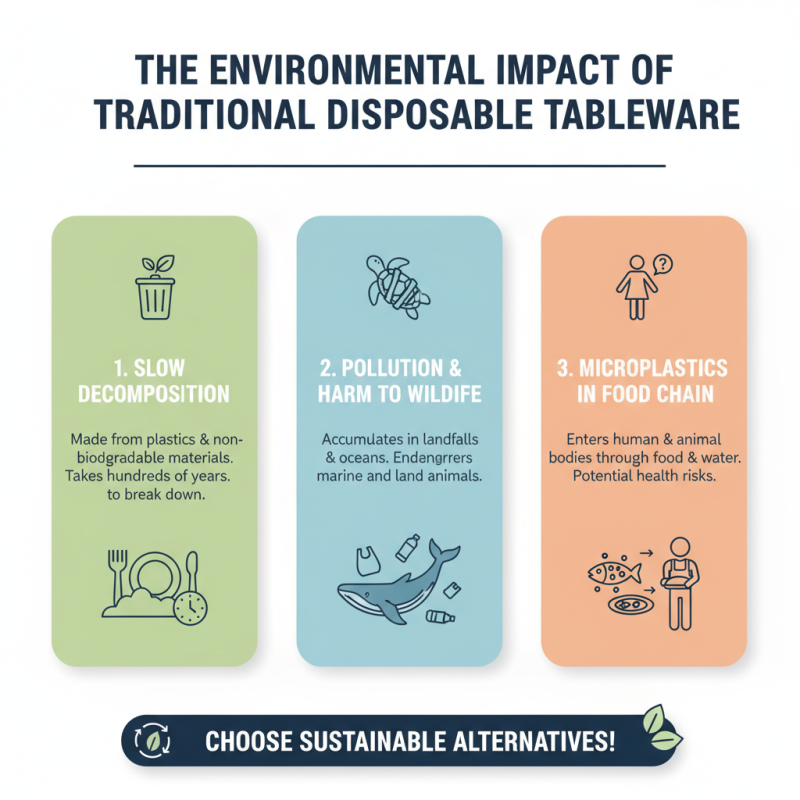
Traditional disposable tableware often contributes significantly to environmental degradation. These products are typically made from plastics and other non-biodegradable materials. When disposed of, they can take hundreds of years to break down. This accumulation leads to overflowing landfills and can harm wildlife. Microplastics can also enter our food chain, posing health risks to humans and animals alike.
Using biodegradable options is crucial for reducing this impact. Such alternatives can decompose naturally, enriching the soil rather than polluting it. They are often made from materials like cornstarch or bamboo, which are renewable and more sustainable. When choosing tableware, consider options that ensure your gatherings are eco-friendly.
Tips for choosing better tableware: Look for labels that indicate biodegradable materials. It’s also good to ask suppliers about their sourcing practices. Remember that the convenience of disposables shouldn't overshadow environmental responsibility. Small, thoughtful choices can contribute to broader change. Make a commitment to being part of the solution.
Understanding Biodegradable Materials and Their Benefits
Biodegradable materials are gaining traction due to their environmental benefits. They decompose naturally, reducing landfill waste. These materials are typically made from plant-based resources, like corn starch or sugarcane. They break down into organic matter, enriching the soil rather than harming it.
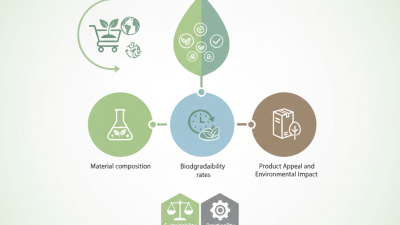
Using biodegradable disposable tableware helps minimize plastic pollution. Traditional plastic can take hundreds of years to decompose. In contrast, biodegradable options can break down within months under the right conditions. However, they require specific environments to degrade efficiently. If improperly disposed of, they may not fulfill their purpose.
Many people still choose plastic for convenience. This can lead to a cycle of waste that impacts ecosystems. Biodegradable options challenge the norm and encourage sustainable habits. Educating consumers on the differences is essential. Awareness can drive a shift towards more responsible choices. While biodegradable materials are not a perfect solution, they represent progress in reducing our environmental footprint.
Comparative Analysis: Biodegradable vs. Conventional Tableware
When considering tableware options, the differences between
biodegradable and
conventional materials are significant.
Biodegradable tableware is designed to break down naturally. It often comes from plant-based sources
like corn starch and sugarcane.
This reduces landfill waste over time. Conventional tableware, typically made from plastic or
Styrofoam, remains in landfills for hundreds of years. This stark contrast highlights the
environmental impact of our choices.
However, it's essential to understand that not all biodegradable options are created equal.
Some may require specific composting conditions to decompose effectively.
If they end up in landfills, their benefits diminish. On the other hand, conventional tableware is
often more durable and can be cheaper in bulk. This convenience
draws many consumers, yet it contributes to long-term pollution and environmental hazards.
Making a sustainable choice isn't always straightforward.
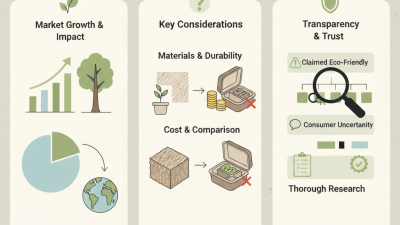
Consumers must weigh durability and cost
against environmental impact. The benefits of biodegradable options come with their complexities.
Education and awareness play crucial roles in optimizing our choices, leading to better outcomes for
the planet. Balancing convenience with sustainability is a challenge, yet one worth tackling for
future generations.
Cost-Effectiveness of Biodegradable Tableware in the Long Run
The cost-effectiveness of biodegradable disposable tableware in the long run is a compelling subject. Many businesses initially hesitate due to higher upfront costs. However, research shows that biodegradable options can reduce waste management costs over time. According to the Zero Waste International Alliance, diverting waste from landfills can save businesses up to $75 per ton. This is significant when scaled across larger operations.
Moreover, many consumers are willing to pay a premium for sustainable products. A Nielsen report indicated that 66% of global consumers are willing to pay more for sustainable goods. This trend suggests that businesses adopting biodegradable tableware may attract eco-conscious customers, boosting profits. With increasing regulations around single-use plastics, investing in biodegradable tableware also mitigates future costs related to compliance.
However, sourcing the right biodegradable materials is challenging. Not all biodegradable products break down effectively or within a reasonable time frame. This inconsistency can lead to potential waste issues, undermining the initial sustainability goals. Businesses must conduct due diligence when selecting suppliers. Finding reliable partners that adhere to stringent environmental standards is essential for ensuring long-term cost-effectiveness and sustainability. These considerations highlight both the opportunities and obstacles in transitioning to biodegradable tableware.
Why Choose Biodegradable Disposable Tableware for Sustainability? - Cost-Effectiveness of Biodegradable Tableware in the Long Run
| Item |
Material |
Average Cost (per unit) |
Breakdown Time |
Environmental Impact |
| Plates |
Sugarcane Bagasse |
$0.20 |
90 days |
Reduces landfill waste |
| Cups |
PLA (Corn Starch) |
$0.15 |
60-90 days |
Produced from renewable resources |
| Cutlery |
Bamboo |
$0.10 |
3-6 months |
Biodegradable and compostable |
| Straws |
Paper |
$0.05 |
2-4 weeks |
Sustainable alternative to plastic |
Promoting Sustainable Practices Through Consumer Choices
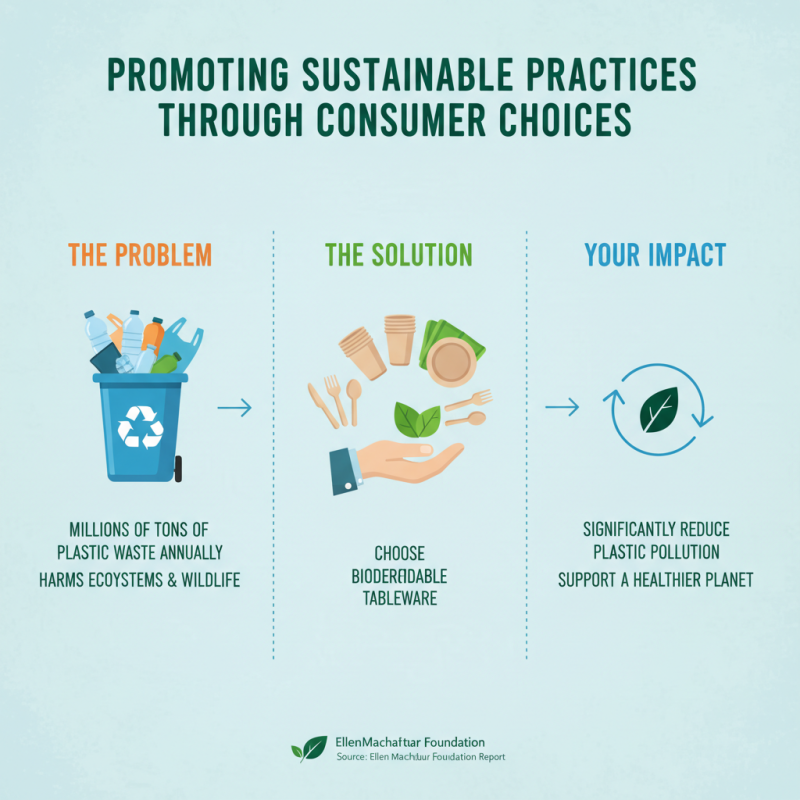
In recent years, consumer choices have become pivotal in driving sustainable practices. A report by the Ellen MacArthur Foundation highlighted that switching to biodegradable disposable tableware can significantly reduce plastic waste. Traditional plastics contribute to millions of tons of waste every year, harming ecosystems and wildlife. By opting for biodegradable alternatives, consumers can directly impact waste reduction efforts.
Moreover, studies show that nearly 70% of consumers prefer products that are environmentally friendly. This trend pushes manufacturers to innovate sustainable packaging solutions. The adoption of biodegradable materials is not without challenges, though. Production costs can be higher, and many consumers remain unaware of proper disposal methods. Education remains essential for ensuring these products fulfill their sustainability promise.
As consumers, we hold the power to influence market trends. Choosing biodegradable options is not just an environmentally conscious decision; it’s a vital step toward sustainability. However, commitment from both consumers and manufacturers is crucial. Navigating this change requires ongoing dialogue and a willingness to adapt to new habits.