What is Plant-Based Tableware Benefits for Eco-Friendly Buyers?
Plant-based tableware has emerged as a sustainable alternative to traditional disposable products. With the global shift towards eco-friendly practices, more consumers seek biodegradable options. According to a report by the Biodegradable Products Institute, the market for plant-based tableware could see a substantial growth rate of 20% annually through 2026. This trend highlights the increasing awareness of environmental issues among buyers.
Dr. Emily Green, a leading expert in sustainable materials, emphasizes the benefits: “Plant-based tableware reduces plastic waste and promotes a healthier planet.” This approach is not just beneficial for the environment, but also aligns with consumer preferences. Many people now consider the source of their products and their impact on nature. However, challenges remain in scaling production and ensuring that all plant-based materials are truly sustainable.
Despite these obstacles, the shift towards plant-based tableware signifies a move in the right direction. While the industry is evolving, consumers must be proactive in choosing genuinely eco-friendly options. It is essential to remain critical and reflective of marketing claims around sustainability. The journey towards a greener future begins with informed choices.
Understanding Plant-Based Tableware: An Overview
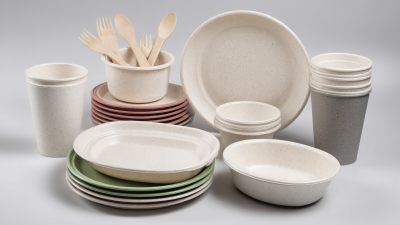
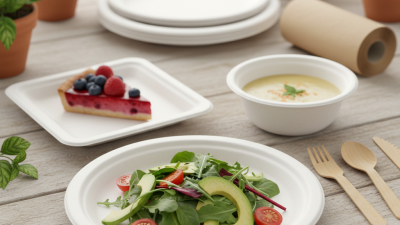
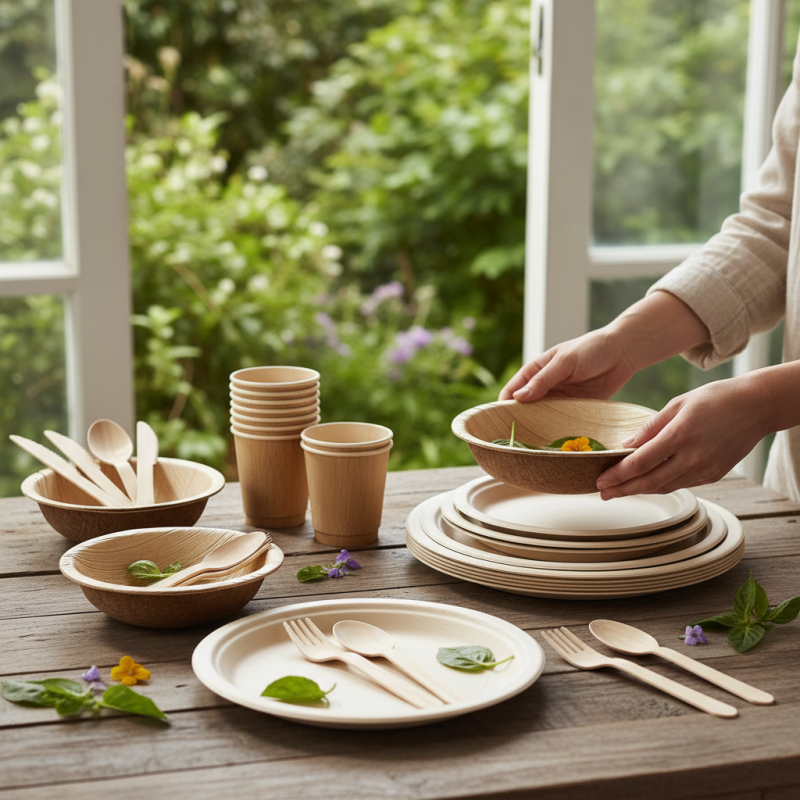
Plant-based tableware is transforming the way we think about dining and sustainability. Made from renewable resources like cornstarch, bamboo, and sugarcane, this tableware offers an eco-friendly alternative to traditional plastic options. Its biodegradable nature means it breaks down naturally, reducing pollution and landfill waste. Many buyers are now seeking out plant-based products as a means to contribute positively to the environment.
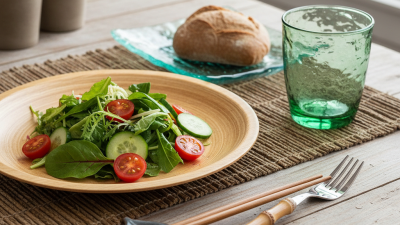
Using plant-based tableware can also enhance your dining experience. The aesthetic appeal of these items, often featuring natural textures and colors, can elevate any meal. While they may not have the same durability as conventional plastics, some are surprisingly sturdy. Experimenting with different brands may lead to discovering products that align with personal preferences.
Tips: When choosing plant-based tableware, look for certifications that ensure quality and environmental responsibility. Always test the usability of items before committing to large quantities. Consider mixing plant-based items with reusable options for a balanced approach. Embrace the journey of sustainable dining, recognizing that perfection takes time and effort. Each small choice contributes to a bigger impact.
Key Ingredients and Materials Used in Plant-Based Tableware
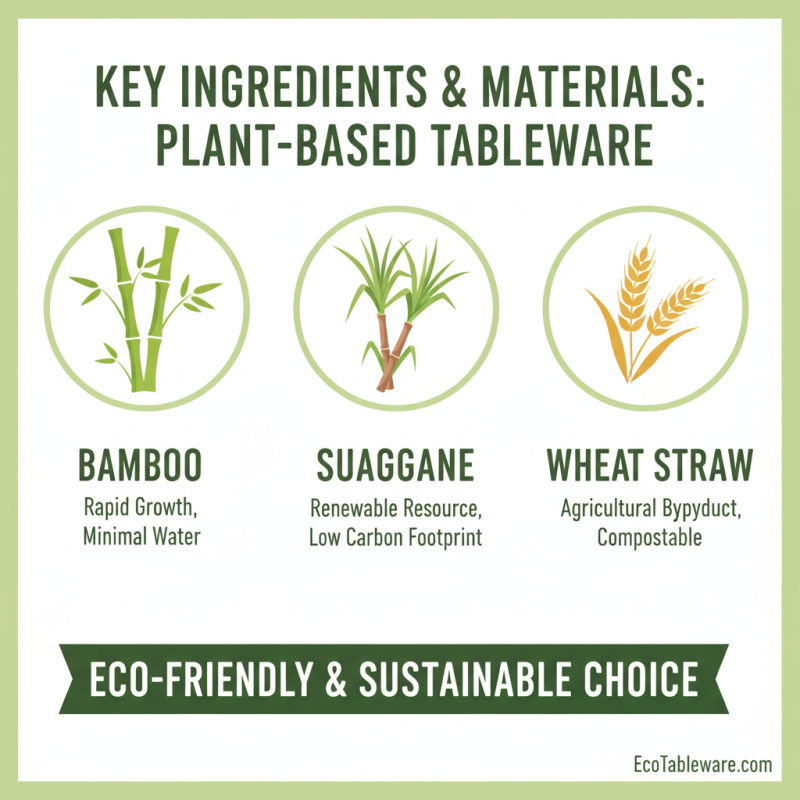
Plant-based tableware has gained attention among eco-friendly buyers. These products are made from sustainable materials. Common ingredients include bamboo, sugarcane, and wheat straw. Each of these materials offers unique benefits. For instance, bamboo grows rapidly and requires minimal water. Sugarcane, a renewable resource, has a low carbon footprint.
The production process of plant-based tableware is less harmful compared to traditional plastics. It often uses natural binders and adhesives. However, not all tableware is created equal. Some products may combine plant materials with harmful additives. It's essential to check for certifications to ensure safety and sustainability.
Moreover, consumers should understand that plant-based does not mean biodegradable. Some items may still linger in landfills for years. This highlights the need for better education on waste disposal. Conscious choices can drive demand for truly eco-friendly options. By being informed, buyers can support manufacturers dedicated to sustainability.
Environmental Benefits of Choosing Plant-Based Tableware
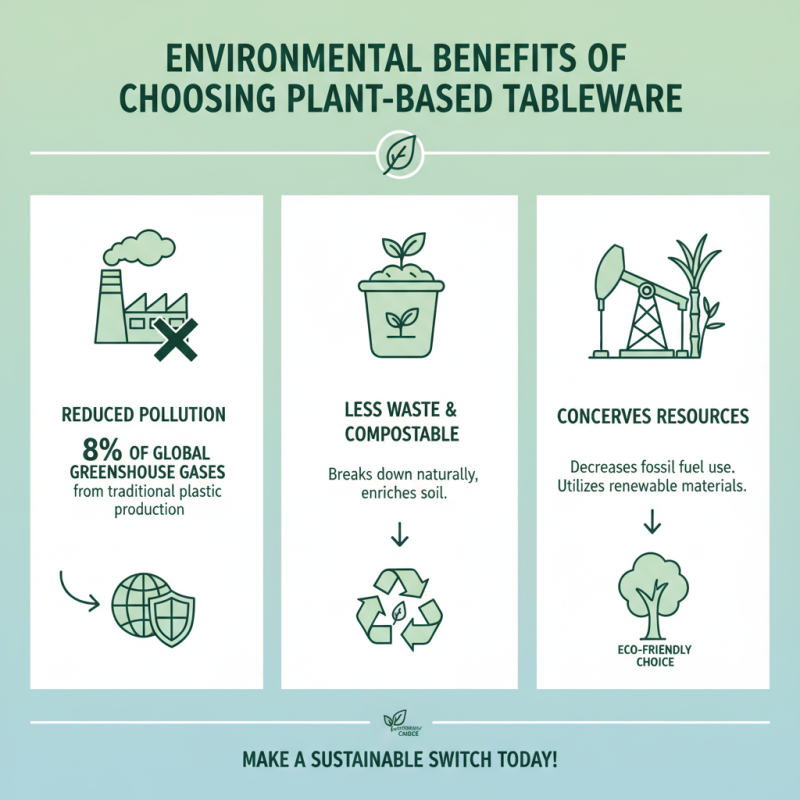
Choosing plant-based tableware offers significant environmental benefits for eco-conscious consumers. According to the Biodegradable Products Institute, traditional plastic production contributes to about 8% of global greenhouse gas emissions. In contrast, plant-based products are often compostable, helping to reduce waste and lower carbon footprints. Switching to materials like bamboo or sugarcane can decrease the consumption of fossil fuels, making a substantial impact on our planet's health.
Every small change counts. Studies show that if just 10% of households switch to plant-based disposables, we could reduce waste by millions of tons annually. While these alternatives have better end-of-life options, they are not a perfect solution. Composting facilities might not be available in all areas, which can lead to improper disposal. It's essential for consumers to be informed about local waste management practices to maximize environmental benefits.
Tip: Always check for certifications that ensure products are genuinely compostable and responsibly sourced. Look for local composting options and consider backyard composting as a way to process plant-based items. Engaging with community initiatives can help raise awareness about the importance of sustainable choices in tableware.
Comparing Plant-Based Tableware to Traditional Options
Plant-based tableware presents a compelling alternative to traditional options, primarily crafted from plastics. According to a report by the Ellen MacArthur Foundation, over 300 million tonnes of plastic are produced annually. This staggering figure underscores the necessity for eco-friendly alternatives like plant-based materials. Traditionally, disposable tableware contributes to significant landfill waste. In contrast, plant-based products, made from materials such as sugarcane and cornstarch, can biodegrade within 90 to 180 days under the right conditions.
While eco-conscious consumers view plant-based tableware as a sustainable choice, there are drawbacks worth considering. These products may not always withstand high temperatures as effectively as traditional plastic and can deform under certain conditions. A study by the Biodegradable Products Institute emphasizes that while plant-based options are generally better for the environment, their performance can vary. The end-of-life aspects also need further reflection, as industrial composting facilities are not universally available.
Understanding both the benefits and limitations is crucial for buyers committed to sustainability. Data from a recent survey reveals that about 78% of consumers prefer biodegradable options. This shift indicates growing awareness but highlights the need for education on product performance and disposal methods. Emphasizing both the positive impact and the challenges can help inform better purchasing decisions.
What is Plant-Based Tableware Benefits for Eco-Friendly Buyers?
| Feature |
Plant-Based Tableware |
Traditional Tableware |
| Material Source |
Renewable plant materials |
Plastic, ceramics, or disposable paper |
| Biodegradability |
Completely biodegradable |
May take hundreds of years to decompose |
| Waste Impact |
Lower environmental impact |
Higher environmental impact |
| Temperature Resistance |
Moderate to high |
Varies by material |
| Cost |
Typically comparable or slightly higher |
Generally lower cost |
The Future of Plant-Based Tableware in Sustainable Living
The future of plant-based tableware shines brightly in sustainable living. These products can reduce plastic waste significantly. Made from natural materials, they offer a cleaner alternative to traditional tableware. This shift represents a growing awareness among consumers about environmentally-friendly options.
Many individuals now seek out biodegradable and compostable products. Plant-based tableware fits well into this trend. However, not all products meet the same standards. Some may not break down efficiently, raising questions about quality. This inconsistency prompts buyers to research brands and their sustainability practices carefully.
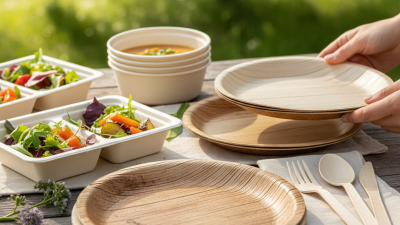
Embracing plant-based tableware also changes consumer habits. People tend to prefer items that are both eco-conscious and functional. These products cater to a variety of occasions, from casual picnics to elaborate events. The adoption of these alternatives reflects a collective effort toward a greener planet, yet it requires continuous reflection and improvement. Are we prioritizing sustainability over convenience? It’s crucial to assess our choices.