What is Plant-Based Tableware and Why Choose It?
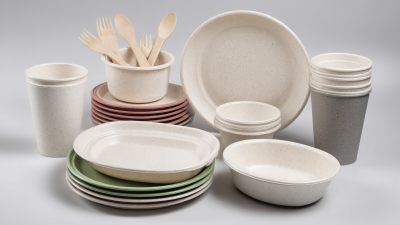
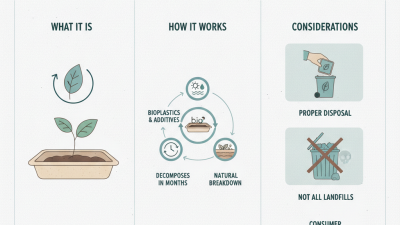
Plant-Based Tableware is gaining popularity as an eco-friendly alternative to traditional disposable products. This innovative material is primarily made from renewable resources such as cornstarch, sugarcane, and bamboo. Unlike plastic, which can take hundreds of years to decompose, Plant-Based Tableware is designed to break down naturally. This transformation significantly reduces environmental impact.
People are often unaware of the benefits of using Plant-Based Tableware. Many assume that biodegradable items are flimsy or less effective. However, advancements in technology have created sturdy, functional products that can handle a variety of hot and cold foods. Choosing such tableware is a step toward sustainability. It reflects a commitment to protecting our planet and encourages others to follow suit.
Yet, challenges remain. Not all Plant-Based Tableware is equally reliable. Consumers must research brands and examine certifications to ensure they are making the right choice. As we shift towards a more sustainable lifestyle, it’s essential to acknowledge the complexity of materials available. Embracing Plant-Based Tableware could be beneficial, but awareness and research are crucial for making informed decisions.
What is Plant-Based Tableware?
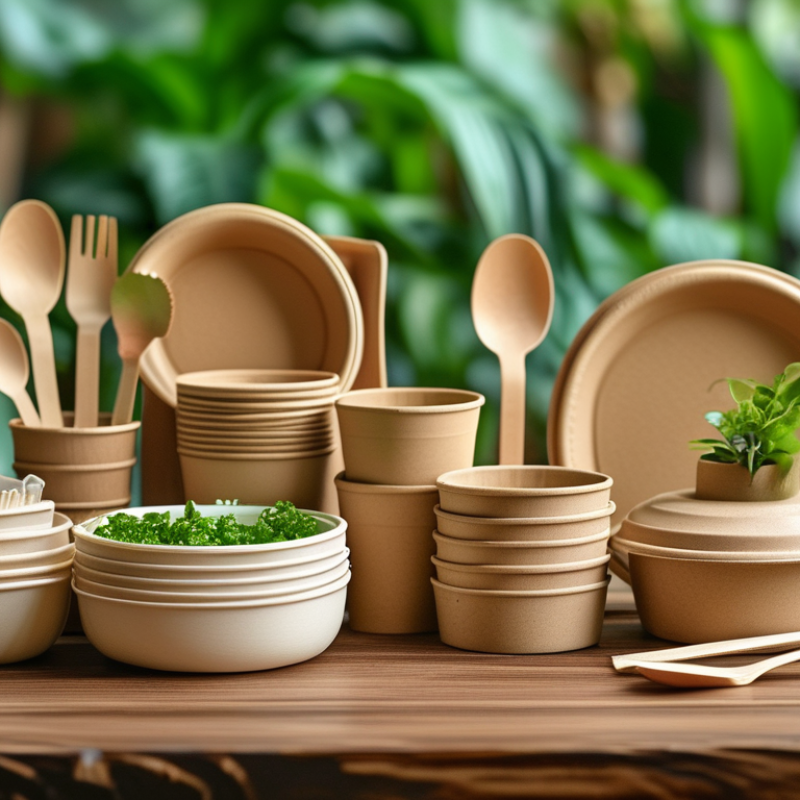
Plant-based tableware refers to utensils, plates, and containers manufactured from natural materials like sugarcane, corn starch, or bamboo. This innovative approach reduces reliance on traditional plastics. According to recent industry reports, the global plant-based tableware market is projected to grow at a CAGR of 6.8% from 2021 to 2028. The rise is largely driven by increasing consumer awareness about the environmental impact of plastic waste.
These products decompose more easily than conventional materials, making them a more sustainable option. For instance, compostable plates break down within 90 to 180 days in a composting environment. This reduces landfill contributions and carbon footprints. However, not all plant-based items are equal; some may still contain additives that hinder biodegradability. Research suggests consumers should investigate certification labels to ensure authenticity.
Tips: When transitioning to plant-based tableware, consider your specific needs. Are you hosting a large event or a small gathering? Evaluate the durability of different materials. Some, like bamboo, are sturdier but may cost more. Always look for reputable suppliers to ensure you're making a responsible choice. Remember, while plant-based options offer many benefits, they are not a panacea for environmental issues. Continuous questioning and research are essential for making informed choices.
Environmental Impact of Traditional vs. Plant-Based Tableware
This chart illustrates the CO2 emissions associated with the production of different types of tableware. As shown, plant-based tableware has significantly lower CO2 emissions compared to traditional plastic and paper tableware, making it a more sustainable choice for environmentally-conscious consumers.
Types of Plant-Based Materials Used in Tableware
Plant-based tableware is an eco-friendly alternative to traditional disposable options. These products are made from natural materials like bamboo, sugarcane, and corn starch. Using them helps reduce plastic waste. Many people today are choosing them for their sustainability.
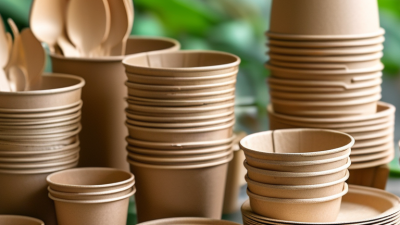
Bamboo is a popular material for tableware. It's fast-growing and renewable. Plates and utensils made from bamboo are sturdy and biodegradable. Additionally, sugarcane, or bagasse, creates an excellent alternative. It is a byproduct of sugar production and has great heat resistance. Corn starch-based products are another option, offering versatility and a corn-like texture.
Tips: When using plant-based tableware, always check for certifications. Not all products are created equal. Some may still contain harmful additives. Be aware of the disposal guidelines, as composting varies by location. Explore local recycling options available in your area to ensure responsible disposal.
Also, consider the effectiveness of these materials for your specific needs. Some users find that plant-based items do not hold up well for hot or oily foods. Testing various products can lead to better choices for different occasions. Engaging in this trial-and-error process is key to finding the right fit for you.
Advantages of Choosing Plant-Based Tableware
Plant-based tableware is made from natural materials like bamboo, palm leaves, or sugarcane. This shift to eco-friendly options resonates with a growing number of environmentally conscious consumers. By choosing plant-based tableware, you can reduce plastic waste. The production of these items often results in lower carbon emissions. Additionally, they decompose naturally, lessening landfill contributions.
When considering plant-based options, think about their durability. Many products can withstand hot and cold temperatures. However, some may not be as sturdy as traditional tableware. This can lead to potential challenges during large gatherings or outdoor events. Planning ahead can help you choose a reliable option.
Tips:
- Test a few different products before your big event. This way, you can assess their quality and ease of use.
- Always check for certifications that ensure sustainability.
- Choosing the right tableware can align with your values, enhancing your overall dining experience.
Environmental Impact of Plant-Based Tableware
Plant-based tableware is gaining traction as an eco-friendly alternative to conventional plastic products. The production of these dishes typically involves materials like sugarcane, bamboo, or corn starch. The good news? These materials are renewable. Research shows that shifting to plant-based options can reduce greenhouse gas emissions by up to 70% compared to traditional plastic. This impact is significant, especially when considering the global plastic crisis.
However, the journey towards widespread use of plant-based tableware isn’t perfect. For instance, not all plant-based products decompose effectively in landfills. Only about 30% of these items will break down in an industrial composting facility. There is also a lack of standardized regulations for labeling, which can mislead consumers. Data indicates that less than 15% of people understand the differences between compostable and biodegradable materials.
On the flip side, the demand for sustainable options is rising. A recent survey noted that nearly 60% of consumers prefer brands that use eco-friendly packaging. This shift is essential for reducing plastic waste in oceans and landfills. Yet, the efficacy and authenticity of plant-based tableware still warrant ongoing evaluation and innovation. The path isn’t straight, but there's a clear need for continued advancements in this important sector.
How to Choose the Right Plant-Based Tableware for Your Needs
When choosing plant-based tableware, consider your specific needs. Look for materials that align with your values. Some options include corn starch, bamboo, or sugar cane fibers. Each material has distinct benefits. Corn starch products are compostable and sturdy. Bamboo is renewable and lightweight. Sugar cane retains moisture, making it ideal for hot meals.
Tips: Always check for certifications. Compostable labeling ensures products break down naturally. Avoid those with plastic coatings, as they can hinder biodegradability.
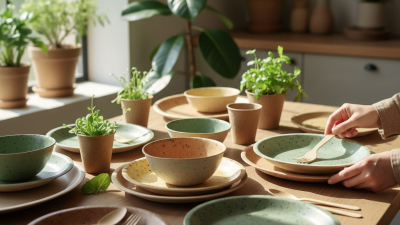
Think about your events. Large gatherings may require sturdier options, while smaller dinners might allow for more delicate choices. Explore shapes and sizes that fit your table setting. Mixing different styles can create a unique look.
Consider durability too. Not all plant-based items hold up under heavy loads. Test a few products before committing to a purchase. You may find that some options don’t perform as expected. Stay flexible and keep your experiences in mind. Balancing sustainability with functionality is key to making the right choice.