How to Choose Biodegradable Disposable Tableware for Your Events?
In today's world, sustainability is at the forefront of event planning. Choosing the right materials can significantly impact the environment. As industry expert Dr. Emily Green, a notable figure in the biodegradable products sector, emphasizes, “Selecting biodegradable disposable tableware is not just a trend; it’s a responsibility.” This statement rings true for event organizers who want to create a positive atmosphere and reduce waste.
Biodegradable Disposable Tableware offers a solution to the pollution caused by traditional plastics. These products break down naturally, minimizing landfill contributions. Consider factors such as material source, certification, and functionality when making your selection. Not all biodegradable options are created equal, and some may still pose environmental risks if not disposed of correctly.
Embracing Biodegradable Disposable Tableware can enhance an event's appeal while promoting eco-consciousness. However, it’s essential to address the nuances of cost and availability. Some may find these options pricier, leading to tough decisions. Reflecting on sustainability while planning an event can be complex. However, it’s a crucial step toward a greener future.
Understanding Biodegradable Materials and Their Benefits
Choosing biodegradable disposable tableware can be crucial for environmentally-conscious events. Understanding biodegradable materials is the first step. These materials break down naturally, reducing landfill waste. Bioplastics, made from plant materials, are a common choice. Reports indicate that 50% more consumers prefer biodegradable options over traditional plastics due to environmental concerns.
These materials offer significant benefits. They can decompose within 90 to 180 days under proper conditions. This contrasts with conventional plastics, which can take centuries to break down. A study by the Ellen MacArthur Foundation reveals that transitioning to biodegradable options could reduce plastic pollution by up to 70% by 2030. However, not all biodegradable items are created equal. Certification is essential for confirming the material's biodegradability.
Yet, not everyone is aware of the limitations. Some biodegradable tableware may not decompose in landfills without special conditions. This can lead to misconceptions about their effectiveness. Awareness is growing, but confusion remains about different certifications and environmental impacts. Striking a balance between convenience and sustainability is an ongoing challenge.
Types of Biodegradable Tableware Available in the Market
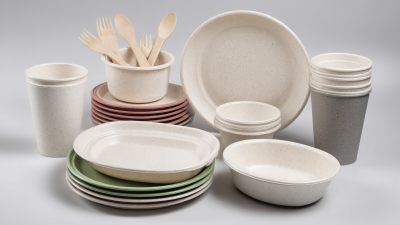
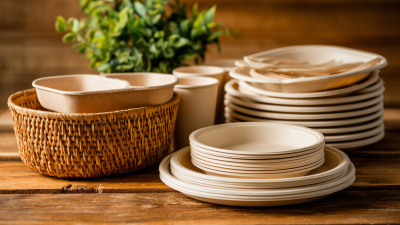
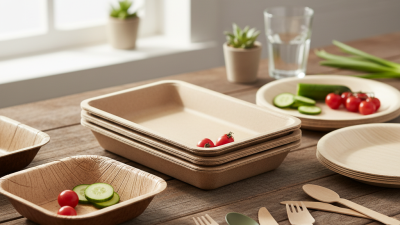
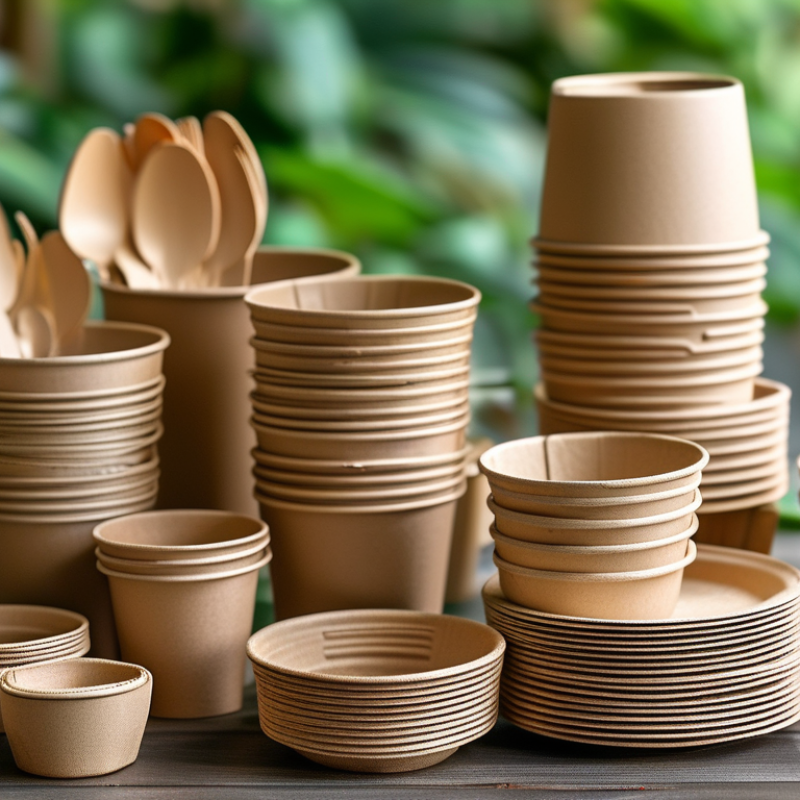
When planning events, choosing the right biodegradable disposable tableware is crucial. There are several types available on the market. Each type varies in material and functionality. Compostable plates, made from materials like sugarcane and bamboo, offer robust solutions. These plates can break down in nature within 90 to 180 days. An industry report highlights that adopting such eco-friendly options can reduce plastic waste by 25-30%.
Another popular choice is plant-based cutlery. Typically made from cornstarch or other renewable resources, this type of tableware is both sturdy and environmentally friendly. Studies suggest that consumers show a preference for these materials, with 70% stating they prefer eco-friendly options at events. This growing trend reflects increased awareness of pollution issues.
Despite their benefits, challenges remain. Some biodegradable items may not decompose as advertised if disposed of improperly. This raises questions about end-of-life management for these products. Event planners must educate their guests on proper disposal methods. Balancing convenience and sustainability is essential. The journey to fully sustainable events is ongoing but worthwhile.
Key Factors to Consider When Selecting Disposable Tableware
When selecting biodegradable disposable tableware for events, several key factors come into play. Material choice is crucial. Popular options include PLA (polylactic acid), made from cornstarch, and bagasse, derived from sugarcane. According to the Biodegradable Products Institute, proper certification ensures these materials break down in composting environments. Check for labels that confirm compliance with industry standards.
The intended use should also guide your selections. For hot food service, heat resistance is vital. Items like bagasse plates handle temperatures up to 200°F without compromising structural integrity. Additionally, consider the lifecycle impact of products. The Environmental Protection Agency highlights that over 40% of food waste occurs during events. Choosing eco-friendly tableware minimizes landfill contributions.
Lastly, cost considerations can influence decisions, but they shouldn't overshadow sustainability. A report by the Global Biodegradable Product Market estimates a growth of 16% annually. While biodegradable options may cost more upfront, their long-term ecological benefits can outweigh immediate expenses. Reflect on the balance between budget and environmental responsibility when planning your event.
How to Choose Biodegradable Disposable Tableware for Your Events? - Key Factors to Consider When Selecting Disposable Tableware
| Factor |
Description |
Benefits |
Considerations |
| Material Type |
Choose between plant-based materials like sugarcane or bamboo. |
Environmentally friendly, compostable, and renewable. |
Check for durability and resistance to liquid. |
| Cost |
Assess if the budget permits more expensive biodegradable options. |
Encourages sustainable practices and may enhance brand image. |
Can be higher than traditional plastic tableware. |
| Functionality |
Ensure that the tableware fits the type of food served. |
Provides a practical solution while being eco-friendly. |
Some materials may not be suitable for hot foods or liquids. |
| Certification |
Look for certifications like compostability from recognized organizations. |
Ensures that products meet environmental standards. |
Not all products are certified; verify claims carefully. |
| Aesthetics |
Consider the appearance of the tableware for event theme. |
Enhances the overall look and feel of the event. |
Some biodegradable items may look less polished than plastic. |
Assessing Cost-Effectiveness of Biodegradable Options
When planning an event, cost-effectiveness is crucial.
Biodegradable disposable tableware often appears more expensive than traditional options.
However, it is essential to assess the long-term savings.
A study by the Environmental Protection Agency found that biodegradable materials can lead to reduced waste disposal costs over time.
Events generating less landfill waste can reduce local taxes associated with waste management.
Additionally, consider the environmental impact.
A report from the Biodegradable Products Institute indicates that using compostable plates can cut carbon footprints by up to 43%.
This reduction can translate into potential marketing benefits, appealing to eco-conscious attendees.
Events prioritizing sustainability can attract sponsorships and partnerships focused on green initiatives.
Yet, the decision isn't straightforward.
Biodegradable products may not perform the same as conventional tableware.
Durability issues could arise, especially with hot foods.
Evaluating supplier reliability and material sourcing is vital.
Some options may advertise biodegradability but take longer to decompose than expected.
Research is key to finding options that balance cost and environmental responsibility.
This journey requires careful consideration and a willingness to adapt.
Environmental Impact: Comparing Biodegradable and Traditional Tableware
When planning events, the choice of tableware significantly impacts the environment. Biodegradable options present a more sustainable alternative to traditional plastic plates and cups. They break down naturally, reducing landfill waste. Traditional tableware, often made from non-renewable resources, contributes to environmental harm. This contrast highlights the urgency to shift toward eco-friendly practices.
Choosing the right biodegradable disposable tableware requires careful consideration. One important factor is material sourcing. Look for products made from renewable resources like sugarcane or bamboo. These options not only decompose but also minimize carbon footprints. Check certifications that ensure the products meet environmental standards. This can add an extra layer of trust in the choices you make.
Tips: Always read labels to verify biodegradability. Select items that suit your event’s theme while being functional. Plan for proper disposal, as not all biodegradable items break down equally in landfills. Remember that some still require industrial composting facilities. Knowing this helps you make informed decisions that benefit the planet while serving your guests.
Environmental Impact of Biodegradable vs Traditional Tableware