How to Choose the Best Biodegradable Disposable Plates for Events
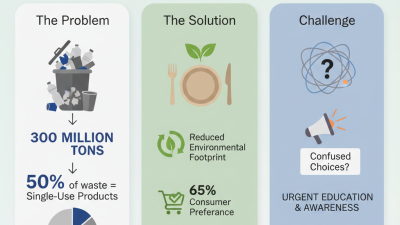
Selecting the right Biodegradable Disposable Plates for events is essential in today’s environmentally-conscious world. Over 300 million tons of plastic waste is generated annually, with a significant portion coming from single-use items. As events increase globally, the need for sustainable solutions rises correspondingly. Experts highlight that using biodegradable options can dramatically reduce landfill contributions.
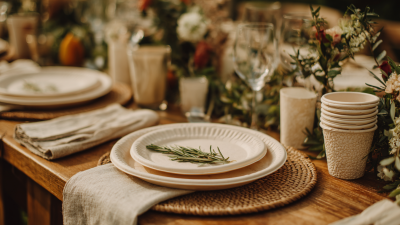
Dr. Emma Green, a leading authority in sustainable materials, states, "Choosing Biodegradable Disposable Plates not only benefits the planet but also enhances event aesthetics." Her research confirms that attendees appreciate eco-friendly alternatives, which can enhance their overall experience. A well-selected plate can be both functional and visually appealing, a critical balance for successful events.
However, not all biodegradable plates are created equal. Some may break down only in specific conditions, which can be misleading. Consumers must carefully assess product certifications and materials. As the demand grows, scrutiny over product claims increases. Selecting the right option is not just about sustainability; it involves making informed choices that truly reflect ecological integrity.
Understanding Biodegradable Materials in Disposable Plates
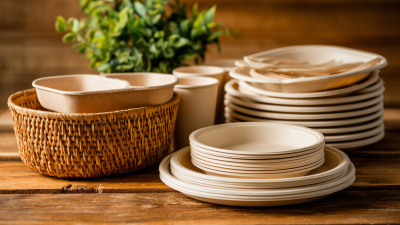
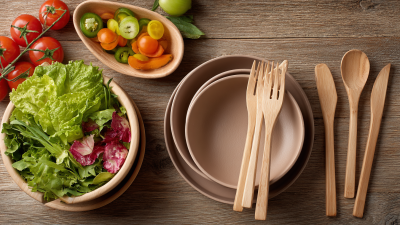
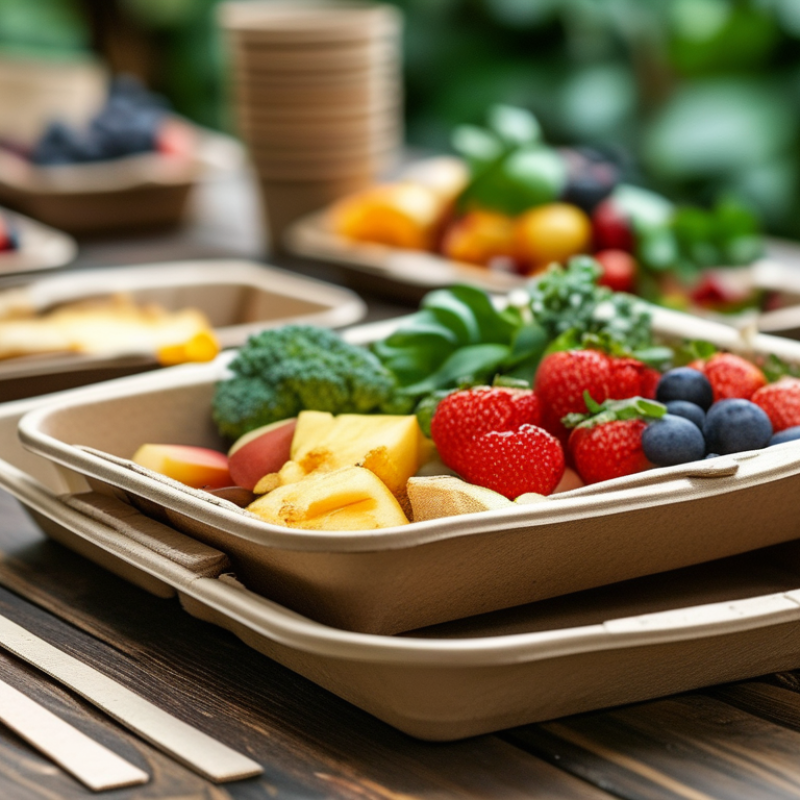
Understanding biodegradable materials in disposable plates is essential for sustainable event planning. Biodegradable plates are made from natural materials that break down over time. Common options include bagasse, bamboo, and palm leaves. These materials are more eco-friendly than traditional plastic. They reduce waste and lessen environmental impact.
When selecting biodegradable plates, consider their compostability. Not all plates labeled as biodegradable will decompose in landfills. For instance, some require industrial composting conditions to break down. It’s crucial to learn about the disposal process. This ensures that your waste management aligns with your sustainability goals. Also, the strength of these plates matters. Some may not hold up well under heavy foods. Testing different options can reveal their actual performance.
Awareness of certifications is another critical aspect. Look for third-party certifications that verify the biodegradability claims. This adds a layer of trust to your purchase. The world of biodegradable materials is evolving, but it still faces challenges. Research and understanding are vital to make informed choices. Exploring new materials can lead to better options in the future.
Factors to Consider When Choosing Plates for Different Events
When selecting biodegradable disposable plates for events, several factors come into play. Event type is crucial. A formal event might require elegant designs, while casual gatherings can opt for playful styles. The plate's material impacts its strength and appearance. Options like palm leaf or bamboo are sturdy and environmentally friendly.
Size is another consideration. Large gatherings often need various sizes for different dishes. Think about the menu as well. If you're serving saucy dishes, sturdy plates are essential to avoid leaks. While biodegradable options are gaining popularity, some may not perform well under certain conditions.
Price shouldn’t be the only factor. Investing in quality materials can ensure a better dining experience. Guests appreciate functional and attractive options. However, not every plate will fit every type of event. It's crucial to assess the specifics, such as outdoor settings versus indoor venues. Some plates may struggle with heat or moisture. Balancing aesthetics, functionality, and sustainability is key for successful event planning.
Evaluating the Durability and Functionality of Biodegradable Plates
When selecting biodegradable disposable plates for events, durability and functionality are key factors. Durability involves the plate's ability to hold food without leaking or bending. Plates made from materials like sugarcane or palm leaves often provide the strength needed for varied food types. Yet, not all options perform well. Some may warp under heat, while others lack rigidity, leading to messes and embarrassing moments.
Functionality includes considerations such as size and design. Larger plates are better for hearty meals, while smaller plates may suit appetizers. Smooth surfaces make easy clean-up, but raised edges can prevent spills. It's essential to balance aesthetics with practicality. While vibrant designs attract attention, they shouldn't compromise the plate’s usability.
Consider real-life experiences. Some users find that while eco-friendly plates are appealing, certain types struggle with hot or oily foods. A reflection on past events can guide better choices in the future. Weighing these aspects helps ensure that your biodegradable plates meet both environmental goals and event needs.
Comparing Costs of Biodegradable Plates vs. Traditional Options
When planning events, the choice of biodegradable plates often revolves around cost. Traditional disposable plates, usually made from plastic, are often less expensive upfront. However, this initial cost can be misleading. They contribute greatly to environmental pollution, leading to long-term costs that often go unnoticed.
Biodegradable plates tend to have a higher price tag. Yet, they are a sustainable option that decomposes naturally. Investing in these plates can minimize environmental damage. Over time, the costs of disposal and landfill impacts of traditional plates add up. You might spend less upfront, but the hidden costs can be alarming.
Cost comparisons should include factors like manufacturing processes and the materials used. Choosing biodegradable options can ultimately save money in waste management. Reflect on your values and consider potential future expenses. It’s not merely about the price per plate; it's about the long-term footprint. The choice may feel tougher than it appears, but every event is a chance to make a responsible decision.
Environmental Impact: The Benefits of Using Biodegradable Plates
Biodegradable plates are a growing trend for events, promoting sustainability. These products break down naturally, reducing landfill waste. According to a study by the Environmental Protection Agency, traditional plastic plates contribute millions of tons to landfills annually. In contrast, biodegradable options can reduce this impact significantly.
The environmental benefits are substantial. Research shows that biodegradable plates can decompose within 90 to 180 days under proper conditions. This process contrasts sharply with plastic plates, which can take up to 1,000 years to decompose. A life cycle analysis published in the Journal of Cleaner Production found that switching to biodegradable materials can lower carbon footprints by up to 50%.
Yet, not all biodegradable plates are created equal. Factors like manufacturing processes and materials affect performance and decomposition rates. Some options may only degrade in industrial composting facilities. This limitation challenges event planners aiming to make environmentally friendly choices. A thoughtful understanding of product specifications is vital for achieving meaningful sustainability goals.
Environmental Impact of Biodegradable Disposable Plates vs. Plastic Plates
This chart illustrates the environmental impact of using biodegradable disposable plates compared to traditional plastic plates, measured in CO2 emissions produced per 1000 plates. As shown, biodegradable plates have significantly lower CO2 emissions, highlighting the benefits of choosing sustainable options for events.