How to Choose the Best Eco Friendly Plate for Your Needs?
Choosing the right Eco Friendly Plate can feel overwhelming. With so many options available, making informed decisions is essential. These plates not only serve your needs but also care for our planet. Understanding the materials used, their durability, and impact is crucial.
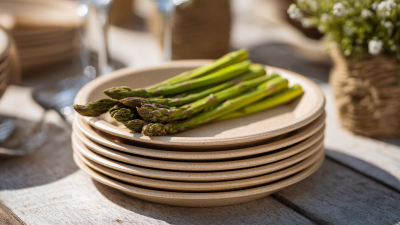
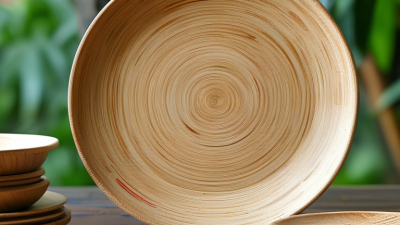
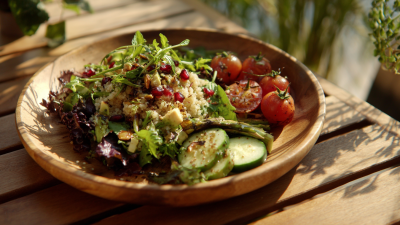
Consider the different types of eco-friendly materials. Plates can be made from bamboo, palm leaves, or recycled paper. Each type has unique characteristics that affect its usability. For instance, bamboo plates are sturdy and compostable, while palm leaves are lightweight and biodegradable. It can be hard to know which material suits your occasion best.
Reflect on your specific needs. Are you hosting an outdoor event or a formal dinner? Some eco-friendly plates may not withstand heavy meals, causing potential waste. Finding the perfect balance between functionality and sustainability should guide your choice. When in doubt, look for certifications that indicate environmentally friendly practices. Your choice of an Eco Friendly Plate matters more than you think.
Understanding Eco-Friendly Plates: Types and Materials
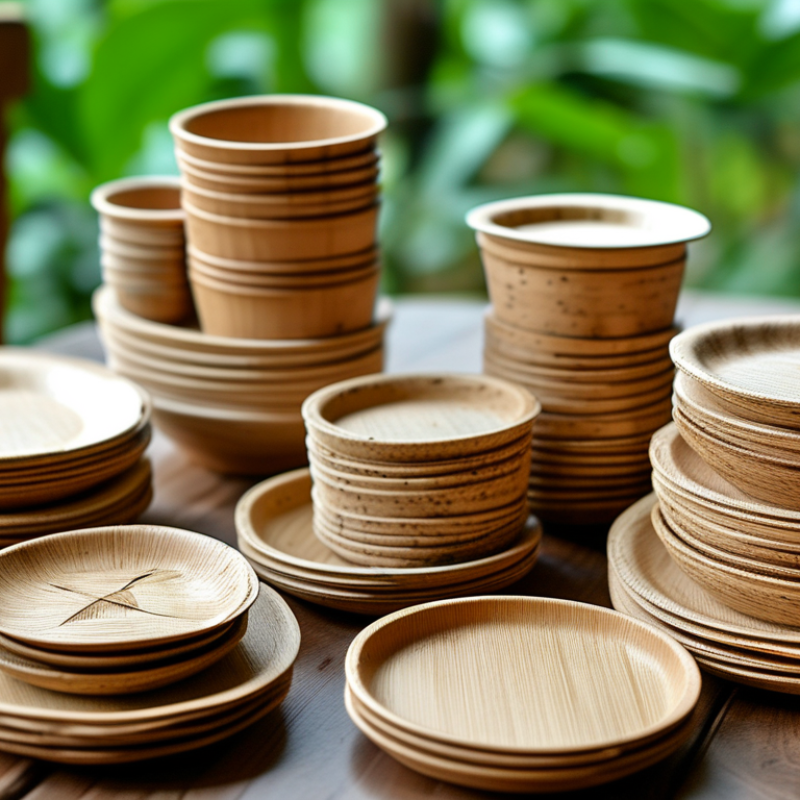
When it comes to eco-friendly plates, understanding types and materials is crucial. There are several options available, each with unique benefits.
Plant-based plates, made from materials like bamboo or sugarcane, are biodegradable and compostable. They break down easily in the environment, reducing waste significantly.
Another notable option is biodegradable plastic plates. They are made from renewable resources and can decompose in commercial composting facilities. These plates offer durability while maintaining an eco-friendly profile.
However, it's essential to check the soil conditions required for proper decomposition.
Tips: Always consider your needs before choosing a plate. If you're planning a large outdoor event, sturdier options might be necessary. For intimate gatherings, lighter biodegradable plates could work just fine. Opt for materials that align with your environmental values. This adds depth to your sustainability efforts while ensuring you make the right choice for your occasion.
Assessing Your Needs: Disposable vs. Reusable Options
When choosing an eco-friendly plate, consider whether disposable or reusable options suit your lifestyle. Disposable plates often appeal for their convenience, especially during events or gatherings. They save time on cleanup, but they contribute to waste. Many disposable plates are now made from materials like sugarcane or bamboo, which can compost. Yet, the environmental impact remains significant if used frequently.
On the other hand, reusable plates are a sustainable investment. They reduce waste and promote a more eco-conscious lifestyle. However, they require regular cleaning and care, which may not be ideal for everyone. Think about your habits and routine. If you often host large parties, disposables might seem easier, but check for biodegradable options. If you prefer a consistent, green choice, reusable plates could be better. Balancing convenience with sustainability isn't always easy. Reflect on your needs and choose what feels right for you.
Comparison of Disposable vs. Reusable Eco-Friendly Plates
Evaluating Sustainability: Certifications and Environmental Impact
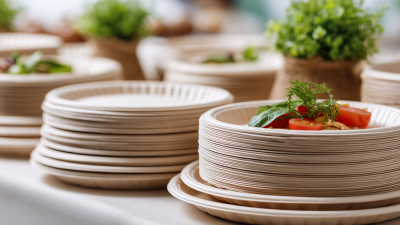
When selecting eco-friendly plates, sustainability is paramount. Look for certifications like Compostable or FSC. These labels indicate responsible sourcing and environmentally friendly materials. Plates made from bamboo or recycled paper often carry these certifications. They break down naturally, reducing landfill waste.
Understanding environmental impact is complex. Not all biodegradable products are created equal. Some may degrade slowly or release harmful substances. Research materials thoroughly. Check the lifecycle of the plates. This means understanding how they are made, used, and disposed of. Durability is another factor. A plate that withstands heat and moisture can lower waste from breakage or use.
Evaluate your specific needs. Are you hosting a large event or a quiet dinner? Size and design matter. Consider the overall waste generated. Smaller plates may encourage portion control. This can lead to less food waste. The choices we make contribute to broader environmental effects. Reflect on how your decisions align with your values. Eco-friendly plates should enhance experiences, not add to our burdens.
Price vs. Quality: Finding the Right Balance for Your Budget
When choosing eco-friendly plates, price and quality are crucial factors. Many people desire sustainable options, but they must also consider their budget. It’s common to find plates that are inexpensive but may lack durability. On the other hand, higher-priced plates often promise better quality. This balance is tricky.
Look for materials like bamboo, palm leaf, or recycled paper. These are generally affordable and eco-conscious. However, not all products made from these materials are created equal. Test their sturdiness before making a purchase. Sometimes, you may find that cheaper options break easily, leading to more waste.
Investing in quality is wise if you host events or use plates frequently. Durable plates can save money over time. Reflect on your usage: Do you need disposable plates for a party or reusable options for daily meals? Each choice has its benefits and drawbacks. Balancing price and quality is often a process of trial and error. Don’t rush your decision; evaluate what works best for your lifestyle and environmental goals.
How to Choose the Best Eco Friendly Plate for Your Needs? - Price vs. Quality: Finding the Right Balance for Your Budget
| Plate Type |
Material |
Biodegradability |
Durability |
Price ($) |
| CPLA Plate |
Cornstarch |
Yes |
Medium |
0.25 |
| Palm Leaf Plate |
Palm Leaves |
Yes |
High |
0.50 |
| Sugarcane Plate |
Bagasse |
Yes |
Medium |
0.30 |
| Bamboo Plate |
Bamboo Fiber |
Yes |
High |
0.40 |
| Recycled Paper Plate |
Recycled Paper |
Yes |
Low |
0.15 |
Practical Tips for Using and Disposing of Eco-Friendly Plates
When using eco-friendly plates, practical tips can enhance your experience. Begin by selecting plates made from materials like bamboo, sugarcane, or recycled paper. According to the Biodegradable Products Institute, these materials can decompose within 90 to 120 days in the right conditions. This is much faster than traditional plastic, which can take hundreds of years to break down.
After your event, disposing of these plates properly is essential. Compostable plates are best suited for industrial composting facilities. If these facilities aren’t available, consider home composting, but check local regulations first. It's often overlooked, but ensuring that non-compostable items aren’t mixed in is vital for successful composting. Education on proper disposal methods is crucial, as a 2021 report by Greenpeace showed that 91% of plastic waste is not recycled effectively.
Using eco-friendly plates is not without challenges. Sometimes they may leak or not hold up well with hot foods. It's essential to test different brands and materials to find what works best for you. Always look for third-party certifications to ensure reliability. Your choices can contribute to reducing plastic pollution significantly.