Top 10 Eco Friendly Plates for Sustainable Living Choices?
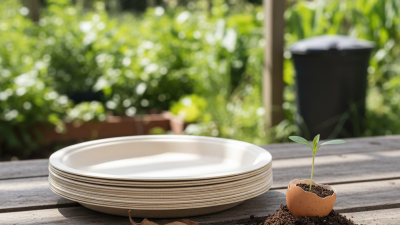
In recent years, the demand for eco-friendly plates has surged. This shift reflects a growing awareness of sustainability. Experts, like Dr. Jane Thompson from the Eco Plate Institute, emphasize the importance of these plates for our environment. She states, "Choosing eco-friendly plates is not just a trend; it’s a necessity for a sustainable future."
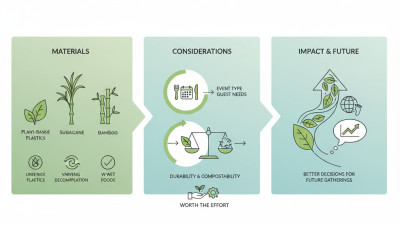
Eco-friendly plates come in many materials, including bamboo, palm leaf, and recycled paper. Each offers its unique benefits and challenges. For instance, bamboo plates are biodegradable, while palm leaf plates have a low carbon footprint. These options reflect a more conscious lifestyle. However, finding the right balance between functionality and sustainability can be tricky.
As consumers, we need to question our choices. Are we genuinely committed to using eco-friendly plates, or are we just following the trend? Reflecting on these questions fosters deeper consideration. We all play a role in promoting sustainability. Understanding eco-friendly plates can guide us toward better decisions for our planet.
Benefits of Using Eco-Friendly Plates in Sustainable Living
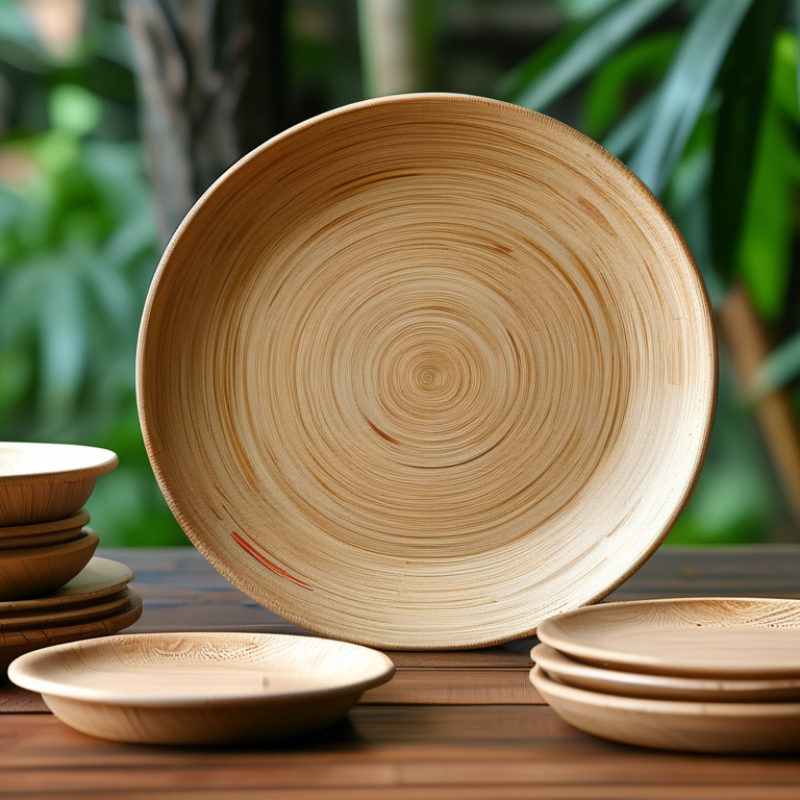
Using eco-friendly plates is a conscious choice for sustainable living. They significantly reduce plastic waste, which is a major environmental issue. Many traditional plates end up in landfills, taking years to decompose. Eco-friendly options are often made from biodegradable materials like bamboo or palm leaves, which break down naturally. This not only helps in waste reduction but also lessens our reliance on fossil fuels.
Moreover, eco-friendly plates can enhance your dining experience. They often come in unique designs and textures, adding a natural aesthetic to your meals. Choosing these plates reflects a commitment to the planet. It encourages others to think about their choices, fostering a culture of sustainability. However, some eco-friendly plates may not be as durable as conventional ones. They can warp or break more easily, and this is a point to consider when making your selection.
There are challenges when transitioning to eco-friendly plates. They can sometimes be more expensive than plastic options, which may deter some individuals. It’s important to weigh the pros and cons. Reflecting on the impact of our choices can inspire deeper consideration of how we consume and dispose of materials. Adopting sustainable options requires effort and awareness, but each small step can lead to significant change.
Types of Materials Used in Eco-Friendly Plates
When selecting eco-friendly plates, the materials used make a significant impact. Many options are available that prioritize sustainability.
Biodegradable materials like bamboo and bagasse are popular.
These plates break down naturally, reducing landfill waste. They are also sturdy enough for various meals. However, be sure to check the manufacturer's claims about decomposition times.
Another option is compostable plates made from recycled paper or plant fibers. These materials help repurpose waste into new products. They are lightweight and easy to use.
But, keep in mind, compostability often requires specific conditions to break down effectively. Some users may find this inconvenient.
Tips: Opt for reusable plates whenever possible. They limit waste and can be a stylish choice for gatherings.
Always read product labels carefully to ensure you’re making the best eco-conscious decision. Investing in quality materials can lead to enhanced durability and longer lifespan, reducing frequent replacements.
Remember, it's about making choices that benefit the planet while considering practicality and usability in daily life.
Top 10 Eco-Friendly Plates for Every Dining Experience
Dining experiences can greatly impact our planet. Choosing eco-friendly plates is an easy way to reduce waste. The Environmental Protection Agency states that nearly 30% of solid waste in landfills is from food packaging. By opting for sustainable dining ware, we contribute to a cleaner environment.
Consider plates made from bamboo or palm leaves. These materials break down naturally and do not contribute to pollution. A report by the World Wildlife Fund indicates that biodegradable options can significantly reduce plastic waste. According to studies, using plant-based materials can lower carbon footprints by up to 50%.
Tips: Always check for certifications on eco-friendly products. They should meet standards like ASTM D6400 for compostability. Look for multi-use plates to avoid the cycle of single-use waste. Invest in reusable plates that can withstand various dining occasions. Reflect on the impact of your choices and make sustainable living a priority.
How to Choose the Right Eco-Friendly Plate for Your Needs
Choosing the right eco-friendly plate is crucial for sustainable living. Think about the material first. Plates come in various options, like bamboo, palm leaf, and biodegradable plastic. Each option has its pros and cons. Bamboo plates are stylish but may not be microwave safe. Palm leaf plates are compostable and sturdy but can be more expensive.
Consider your lifestyle when selecting plates. If you host frequent parties, disposable options may suit better. For daily use, durable materials like ceramic or glass may be ideal. They may require more washing but reduce single-use waste. Weight and ease of storage also matter. Heavy plates can be cumbersome, while lightweight options are easier to handle.
Tips: Always look for certifications that ensure eco-friendliness. Research how the materials are sourced. Reflect on the longevity of the plates you choose. Will they last, or will they need to be replaced frequently? Strive to find a balance between convenience and sustainability. As you explore options, keep your needs and values in mind. This reflective process will guide you to make better choices.
Tips for Care and Maintenance of Eco-Friendly Plates
Choosing eco-friendly plates is a great step toward sustainable living. However, caring for these plates is equally important. Proper maintenance extends their life and reduces waste. Washing them with gentle, biodegradable soap is often recommended. Hot water is effective but not always necessary. Air-drying is better than using a dryer, as it saves energy and preserves the material integrity.
Mindful handling is crucial. Some eco-friendly plates may chip or crack easily. Use caution when stacking them. Avoid excessive force when cleaning. It’s easy to overlook these details, but these small actions can make a significant difference in longevity. Regular inspections can help identify any wear and damage early on, saving you from premature replacements.
Storing plates properly is also essential. Choose a dry, cool place away from direct sunlight. This prevents warping or fading. Reflect on how you prioritize storage; it can be tempting to toss them into a cabinet unceremoniously. Taking a moment to handle each plate mindfully can contribute to a sustainable lifestyle.