Top 10 Eco Friendly Pulp Bowl Benefits You Should Know?
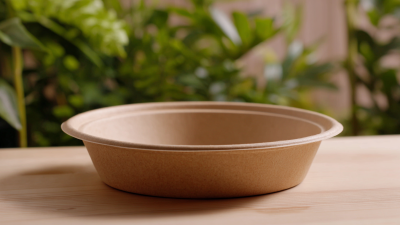
In today's environmentally conscious world, the demand for sustainable products is on the rise. One noteworthy development is the Eco Friendly Pulp Bowl. According to Dr. Emily Carter, an expert in sustainable materials, "Using Eco Friendly Pulp Bowls can significantly reduce our carbon footprint." This statement underscores the importance of choosing sustainable options for everyday use.
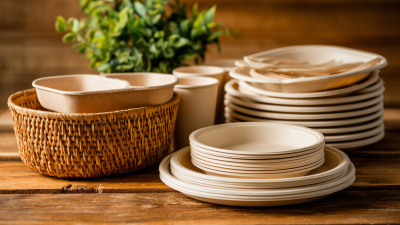
The Eco Friendly Pulp Bowl offers a range of advantages that go beyond mere convenience. Made from renewable resources, these bowls are biodegradable and compostable, making them an exceptional choice for eco-conscious consumers. Each bowl contributes to reducing plastic waste, an issue that plagues our oceans and landfills. However, it’s essential to acknowledge that not all pulp bowls are created equal; some may still have environmental impacts that need consideration.
Adopting the Eco Friendly Pulp Bowl might seem straightforward, yet there are challenges. Awareness regarding production practices is often lacking. Consumers must remain diligent in researching brands. While the benefits are substantial, the journey toward a fully sustainable lifestyle can be complex. Yet, each small choice counts in the fight against environmental degradation.
Benefits of Using Eco-Friendly Pulp Bowls for Environmental Sustainability
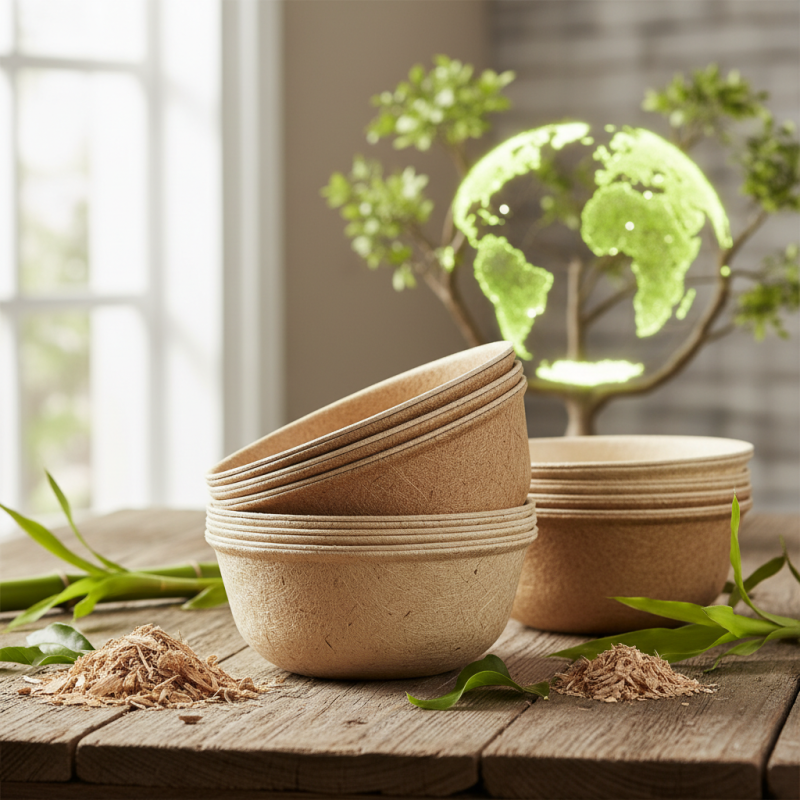
Eco-friendly pulp bowls are gaining attention for their role in environmental sustainability. Made from renewable resources, they decompose naturally. This means less waste in landfills and a reduced impact on our planet. Unlike traditional plastic, these bowls don’t release harmful chemicals into the ecosystem. They provide a safer choice for both food and the environment.
Using pulp bowls is a proactive step toward a greener lifestyle. They are sturdy and can hold a variety of foods. Perfect for picnics or outdoor events, they are easy to carry and dispose of. However, while they are better than plastic, we must acknowledge that they still have limitations. Not all pulp bowls are created equal, and some may not break down as quickly as we hope.
Tips: Consider checking for certified products that ensure high compostability. Always read labels for information on disposal methods. By making informed choices, we can maximize the benefits of using eco-friendly pulp bowls. Remember, every small change can contribute to a larger positive impact on our environment.
Top 10 Eco Friendly Pulp Bowl Benefits
Health Advantages of Pulp Bowls Compared to Traditional Plastic Products
Pulp bowls offer numerous health advantages over traditional plastic products. Made from natural materials, they are biodegradable and free of harmful chemicals. Unlike plastic, pulp bowls do not leach toxins into food. This fact alone can make a significant difference, especially for hot meals. Using pulp bowls can reduce your exposure to potentially harmful substances.
Tips for using pulp bowls effectively include opting for them for both hot and cold foods. They are versatile and maintain their integrity, unlike some plastic options. Another good practice is to avoid microwaving them unless specified safe. While most pulp bowls are sturdy, it’s essential to be mindful of moisture levels. If too wet, they may lose their structure.
You might find that transitioning to pulp bowls will require some adjustment. Not all performance will match that of plastic. However, embracing eco-friendly choices often involves this learning curve. Consider experimenting with different brands to find what works for you. The journey toward sustainability is personal and can sometimes be imperfect, providing room for growth and commitment to healthier choices.
Cost-Effectiveness of Eco-Friendly Pulp Bowls for Businesses and Consumers
Eco-friendly pulp bowls offer numerous benefits for both businesses and consumers. One notable aspect is their cost-effectiveness. These bowls are made from sustainable materials, which can reduce long-term costs. With increasing environmental awareness, consumers are willing to pay more for green products. Thus, using eco-friendly pulp bowls can enhance a brand's image and attract more customers.
For businesses, the switch to pulp bowls can result in savings on waste disposal. Traditional plastics often end up in landfills, contributing to waste management costs. Pulp bowls, being biodegradable, decompose naturally. This shift not only aligns with eco-conscious practices but also promotes a cleaner environment.
Tip: When choosing eco-friendly options, look for suppliers with transparent sourcing practices. Also, consider bulk buying to reduce overall expenses. Assess your needs thoroughly, and remember not all eco-friendly products are created equal. Check certifications, even small ones can make a difference in quality.
Versatility and Durability of Pulp Bowls in Food Service Applications
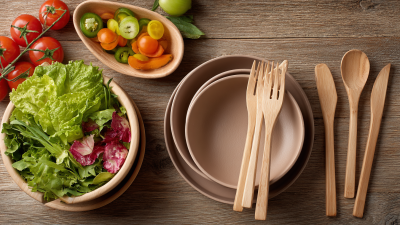
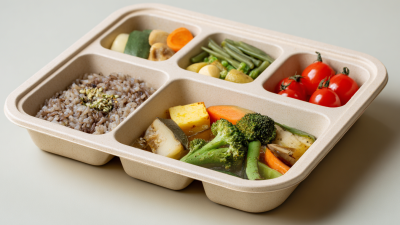
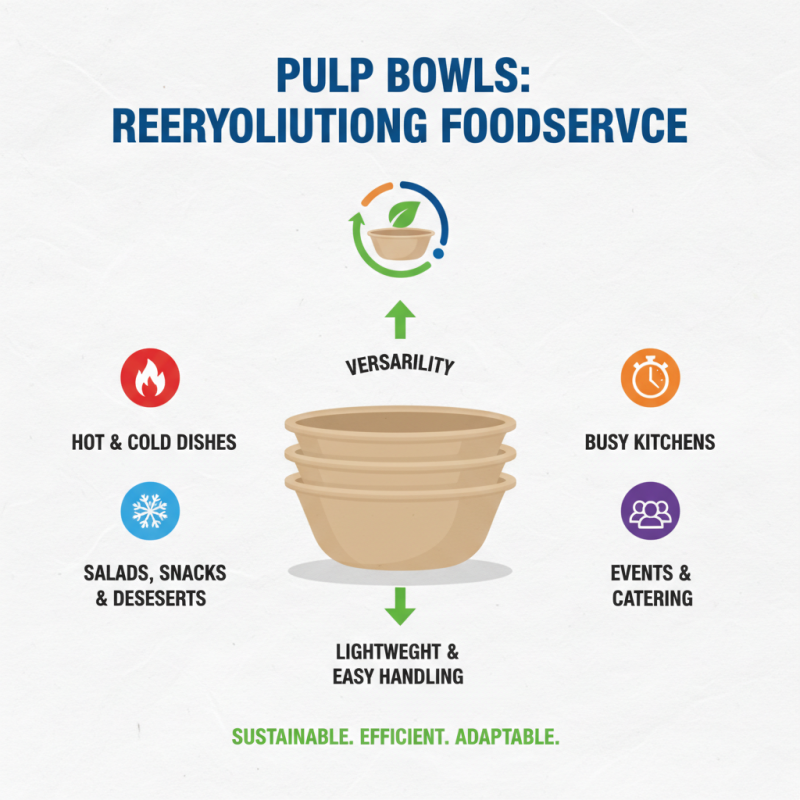
Pulp bowls are transforming food service applications. Their versatility is one benefit that stands out. These bowls can serve hot or cold dishes. They are perfect for salads, snacks, or desserts. Given their lightweight nature, they are easy to handle. This is particularly helpful in busy kitchens or events.
Durability is another key feature of pulp bowls. They resist leaks and withstand moisture, making them reliable. You can’t ignore their compostable nature, which delights eco-conscious consumers. However, they can sometimes absorb oils or sauces, which may limit their use for certain dishes. Users must consider this when planning their menu. Additionally, some may find that they do not hold up as strongly under pressure compared to traditional materials. Still, many appreciate their eco-friendly profile.
There’s a simplicity and charm to using pulp bowls that resonates with customers today. They add a touch of nature to dining experiences. The visual appeal is undeniable, with earthy tones blending seamlessly. Creatively arranged ingredients can look stunning in these bowls. But the challenge lies in ensuring consistency in their production and performance across various settings. This opens room for improvement and innovation within the industry.
Biodegradability and Compostability: Reducing Waste with Pulp Bowls
Pulp bowls are gaining popularity due to their eco-friendly features. They are made from renewable resources like recycled paper or sugarcane pulp. The main benefits stem from their biodegradability and compostability. Unlike traditional plastic bowls, pulps break down naturally in soil, contributing to environmental health. A report from the Environmental Protection Agency (EPA) states that over 300 million tons of plastic waste are generated annually. Pulp bowls offer a solution.
When disposed of, pulp bowls decompose within 90 to 120 days under optimal conditions. Research shows that these items can reduce landfill waste significantly. Many composting facilities accept them, making the transition to sustainable options easier. Almost 25% of municipal waste is organic; pulp bowls can help minimize this statistic.
While they have clear advantages, challenges remain. The production process of pulp bowls requires energy and water. Not all waste management systems effectively process them. Improving infrastructure for composting is vital. Quality control also varies among producers, impacting the effectiveness of compostability claims. The industry must address these shortcomings to make a more significant impact.