Top 2025 Biodegradable Tableware Trends You Need to Know
As the world increasingly turns its focus towards sustainable living, the demand for innovative solutions in everyday products is on the rise. Among these, biodegradable tableware has emerged as a vital element in reducing our environmental footprint. The shift away from single-use plastics has opened up a plethora of options made from organic materials that not only serve functional purposes but also align with eco-friendly values. In 2025, the trends surrounding biodegradable tableware are set to evolve further, influenced by advancements in technology, consumer preferences, and governmental regulations promoting sustainability.
In this engaging exploration of the top trends you need to know for 2025, we will delve deep into the materials driving the biodegradable tableware revolution, such as plant-based polymers and paper alternatives. Moreover, we will highlight how design innovations are making these products not only environmentally friendly but also aesthetically pleasing and functional for various settings, from casual picnics to elegant dining experiences. By embracing these trends, consumers and businesses alike can contribute to a greener planet while enjoying the benefits of stylish and sustainable dining solutions.
Emerging Materials in Biodegradable Tableware for 2025
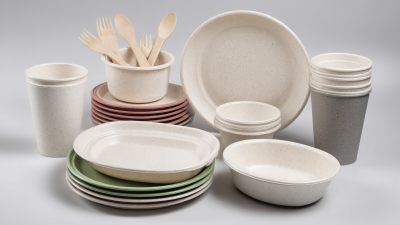
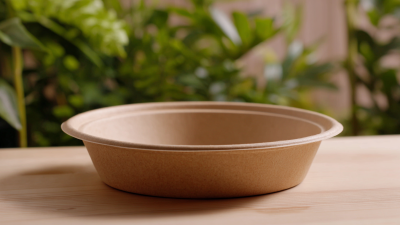
As the demand for sustainable options continues to rise, the 2025 landscape of biodegradable tableware is set to become increasingly innovative. Emerging materials such as bagasse, a byproduct of sugarcane processing, are gaining traction due to their renewable nature and compostability. This versatile material not only provides durability for various food applications but also significantly reduces environmental impact. Additionally, advancements in mycelium-based products are being explored, harnessing the growth of fungi to create natural and biodegradable tableware that breaks down quickly in environments conducive to composting.
When transitioning to biodegradable tableware, consider these tips: First, research the specific materials and their disposal guidelines to maximize their environmentally friendly advantages. Second, combine different biodegradable materials for special occasions, ensuring they fulfill the functional needs of your event while aligning with sustainability goals. Lastly, educate your guests about the benefits and proper disposal methods of these eco-conscious choices to foster a collective effort towards reducing waste.
Furthermore, the rise of plant-based plastics made from cornstarch highlights another trending material, offering a bio-based alternative to traditional plastic. With consumer awareness on the rise, investing in biodegradable options not only supports a healthier planet but also meets the growing demand for responsible dining experiences.
Innovative Designs Driving Sustainability in Tableware Trends
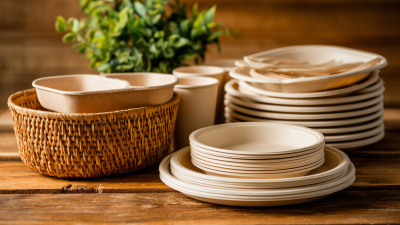
As sustainability takes center stage in the tableware industry, innovative designs are playing a pivotal role in driving trends that cater to environmentally conscious consumers. With an increasing demand for biodegradable materials such as bamboo and corn starch, brands are reshaping their offerings to align with eco-friendly principles. The rise of minimalistic tableware that emphasizes both aesthetics and functionality reflects a growing preference for simplistic yet elegant dining experiences. This convergence of design and sustainability is not only a trend but a fundamental shift in consumer mindset.
**Tips:** When selecting tableware, consider materials that are both biodegradable and stylish. Look for products that combine innovative designs with eco-friendly attributes to elevate your dining experience while being kind to the planet. Additionally, engage with brands that prioritize sustainable practices in their production processes for a more responsible choice.
The global market for biodegradable cutlery and compostable tableware is projected to witness significant growth as consumers increasingly seek out products that minimize environmental impact. The push for sustainability in tableware extends beyond mere product selection; it also encompasses packaging and branding. As manufacturers respond to consumer preferences, expect to see a broader spectrum of choices that not only appeal to the eye but also reflect a commitment to preserving our natural resources. Keep an eye on upcoming events that showcase these trends, as they will be pivotal in shaping the future of tableware design.
Consumer Preferences Shaping the Future of Biodegradable Products
As consumer awareness of environmental issues grows, preferences are shifting towards sustainable products, particularly in the realm of disposable tableware. Eco-conscious consumers are increasingly seeking biodegradable options, favoring materials like cornstarch, bamboo, and sugarcane over traditional plastics. This shift is not only driven by a desire to reduce waste but also reflects a broader commitment to sustainability and ethical consumption. Companies that acknowledge these changing preferences are adapting their product lines to meet the demand, often highlighting the environmental benefits of their biodegradable options.
Furthermore, innovations in design and functionality are becoming crucial as consumers expect their eco-friendly choices to compete with conventional products in terms of performance and aesthetics. The integration of biodegradable tableware into various dining experiences—from casual gatherings to formal events—demonstrates a growing acceptance and desire for sustainable practices. As brands respond to these consumer trends, the market is witnessing an increased emphasis on transparency regarding sourcing and manufacturing processes, ensuring that environmentally friendly choices are not only appealing but also genuinely sustainable.
Top 2025 Biodegradable Tableware Trends You Need to Know
| Trend |
Description |
Consumer Preference (%) |
Target Demographic |
| Plant-Based Materials |
Increase in the use of materials derived from plants, such as cornstarch and sugarcane. |
65% |
Eco-conscious consumers |
| Compostable Packaging |
Rise in demand for tableware that can decompose naturally. |
70% |
Millennials and Gen Z |
| Reusable Biodegradable Products |
Products that can be used multiple times before biodegrading. |
55% |
Sustainability advocates |
| Innovative Designs |
Stylish and functional designs that appeal aesthetically to consumers. |
60% |
Fashion-conscious buyers |
| Low-Carbon Footprint |
Growing awareness and preference for products with lower environmental impact. |
75% |
Environmentally aware consumers |
Regulatory Changes Influencing Biodegradable Tableware Industry
The regulatory landscape surrounding biodegradable tableware is rapidly evolving, significantly impacting the industry in 2025. Governments across the globe are increasingly recognizing the environmental implications of plastic waste, prompting the introduction of strict regulations aimed at reducing single-use plastics. As a response, manufacturers of biodegradable tableware are innovating their products to meet these new standards, focusing on materials that are compostable and sustainable.
In addition to directly influencing production practices, regulatory changes are also shaping consumer behavior. With more regions implementing bans on conventional plastic products, consumers are seeking out eco-friendly alternatives. This shift is fostering a demand for biodegradable tableware that not only complies with regulations but also appeals to environmentally conscious consumers. As the market adapts, companies that prioritize transparency and sustainability in their practices will likely gain a competitive advantage, positioning themselves as leaders within the biodegradable tableware sector.
Market Growth and Opportunities in 2025 for Eco-Friendly Tableware
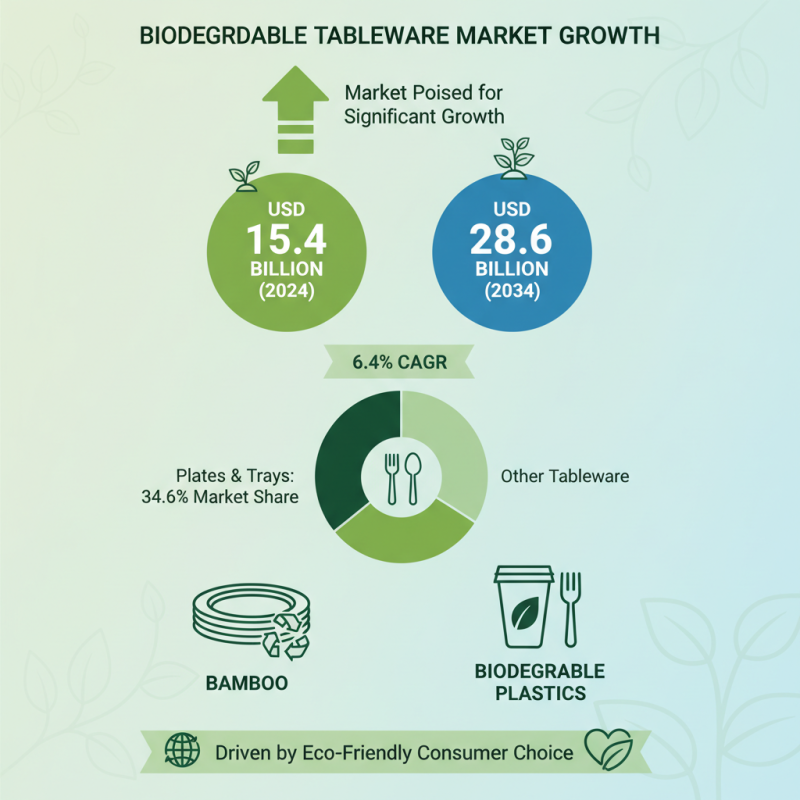
The biodegradable tableware market is poised for significant growth, projected to reach approximately USD 28.6 billion by 2034, an increase from USD 15.4 billion in 2024, at a CAGR of 6.4%. Plates and trays are at the forefront, capturing a substantial 34.6% market share in the biodegradable segment. This growth is driven by an increasing consumer preference for eco-friendly dining solutions, highlighting a shift toward sustainable materials like bamboo and biodegradable plastics.
In the context of this shifting landscape, the biodegradable cutlery market alone is set to reach USD 89.09 billion by 2034, growing at a CAGR of 7.3%. The commercial sector prominently features in the disposable tableware market, controlling 95% of market share and emphasizing a demand for sustainable practices. This trend reflects not only consumer awareness but also the hospitality industry's commitment to reducing its environmental impact.
**Tips:**
1. When selecting biodegradable tableware for your events, opt for products made from renewable resources like bamboo or sugarcane.
2. Keep an eye on certifications that ensure compostability, making it easier to manage waste sustainably.
3. Educate your customers on the benefits of using eco-friendly tableware to enhance their dining experience while embracing sustainability.