What is Plant-Based Tableware and Why is it Important?
Plant-Based Tableware is rapidly gaining attention as an eco-friendly alternative to traditional plastic products. This innovative category includes plates, cups, and utensils made from renewable materials like cornstarch and sugarcane. Expert Sarah Thompson, a leading figure in sustainable design, states, "Plant-Based Tableware is not just a trend; it's essential for reducing waste."
The production of this tableware significantly lowers our carbon footprint. Traditional plastic contributes to pollution and harms wildlife. In contrast, Plant-Based Tableware is biodegradable, helping to close the loop in our waste management system. Still, many people remain unaware of its benefits.
While Plant-Based Tableware is a step forward, challenges remain. Not all products perform equally well, and consumers may hesitate to switch. Education on this matter is crucial. As we recognize the importance of Plant-Based Tableware, we must also examine our habits and push for broader adoption. Transitioning to sustainable alternatives requires collective effort and ongoing dialogue.

Understanding Plant-Based Tableware: Definition and Materials
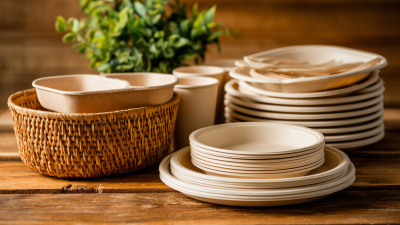
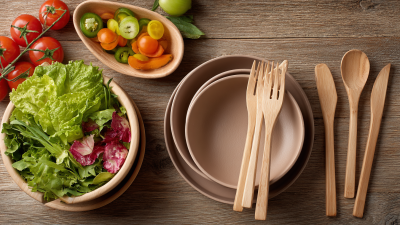
Plant-based tableware is an innovative solution made from natural materials. It includes biodegradable dishes, cups, and utensils. These products are typically made from sources like sugarcane bagasse, bamboo, and cornstarch. This offers an eco-friendly alternative to traditional plastic items. The importance of these materials lies in their ability to decompose naturally after use.
Using plant-based tableware helps reduce plastic waste. When used at events or in households, they can break down in compost settings. However, not all products labeled as "biodegradable" work the same way. Some require specific conditions for proper decomposition, making it important to choose wisely. It’s concerning that many people still confuse these items with non-biodegradable plastics.
Beyond the environmental aspect, there’s a growing market demand for sustainable products. Consumers increasingly prefer items that are not only functional but also eco-conscious. Yet, it's essential to reflect on our habits. Are we truly reducing our carbon footprint? Or are we simply swapping one form of waste for another? These questions remain vital in our journey toward sustainability.
What is Plant-Based Tableware and Why is it Important?
| Material |
Source |
Biodegradability |
Usage |
| PLA (Polylactic Acid) |
Corn Starch |
Compostable |
Disposable plates and utensils |
| Bagasse |
Sugarcane Pulp |
Compostable |
Plates and containers |
| Palm Leaf |
Fallen Palm Leaves |
Compostable |
Dinnerware and serving trays |
| Bamboo |
Bamboo Fibers |
Biodegradable |
Cutlery and plates |
| Wood |
Recycled Wood |
Biodegradable |
Skewers and serving utensils |
The Environmental Impact of Traditional Tableware Versus Plant-Based Options
Traditional tableware, like plastic plates and Styrofoam cups, poses a significant environmental threat. Most of these items are made from non-biodegradable materials, taking centuries to decompose. When discarded, they clog landfills and can harm wildlife. Animals often mistake plastic for food, resulting in fatal consequences. This waste not only pollutes oceans and landscapes but also contributes to toxic chemical emissions during decomposition.
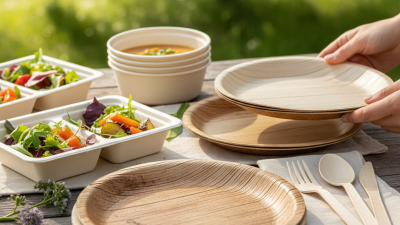
In contrast, plant-based tableware offers a promising alternative. Made from materials like bamboo, sugarcane, or wheat, these products decompose naturally. They break down into harmless substances in a matter of weeks or months. Imagine a picnic where your plates and cups are made from discarded plant fibers. They leave no trace behind, enriching the soil instead. However, not all plant-based options are perfect. Some may still require energy-intensive processes for production. Additionally, misconceptions about their durability and usability persist. People often wonder if they can handle hot foods or liquids. Addressing these concerns is crucial for broader acceptance.
Key Benefits of Using Plant-Based Tableware in Daily Life
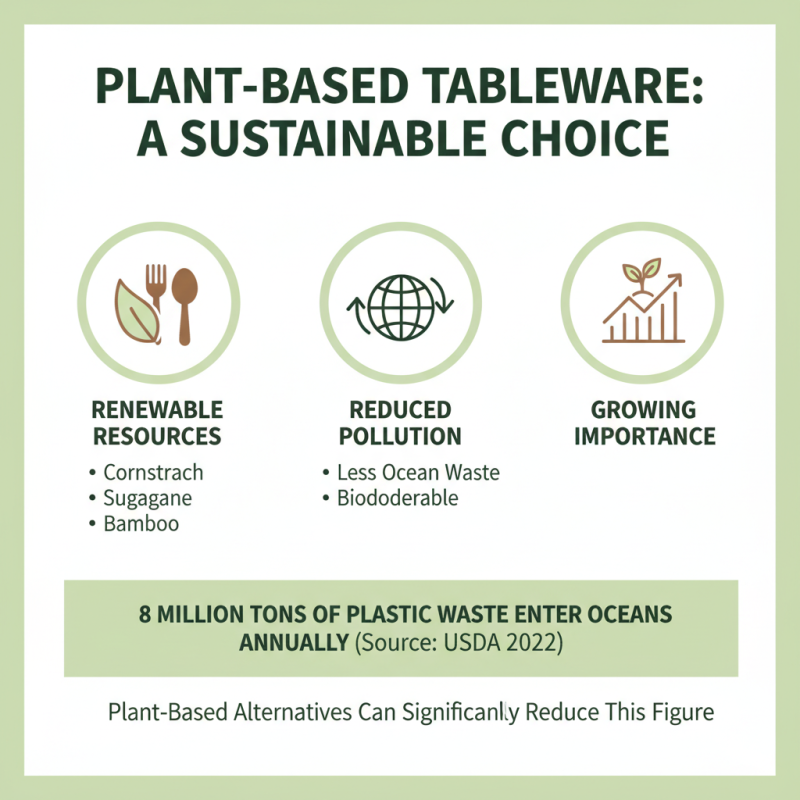
Plant-based tableware is crafted from renewable resources like cornstarch, sugarcane, or bamboo. Its significance in our daily lives grows as environmental concerns rise. According to a 2022 study by the USDA, single-use plastics contribute to over 8 million tons of ocean waste annually. Plant-based options can reduce this figure significantly.
One major benefit is their biodegradability. Reports suggest that plant-based products may break down within 90 to 180 days compared to the hundreds of years required for plastic. This swift decomposition helps lessen landfill accumulation. Additionally, many consumers express a preference for these alternatives because they align with an eco-friendly lifestyle. Observations indicate that 70% of people feel more satisfied when using sustainable products.
However, challenges exist. Sometimes, plant-based materials may not be as durable as their plastic counterparts. This raises questions about performance and usability. It’s vital to educate users on appropriate applications. Misuse can lead to issues, such as leaks during hot food serving. Balancing sustainability with practicality is essential for broader acceptance.
How to Choose and Use Plant-Based Tableware Effectively
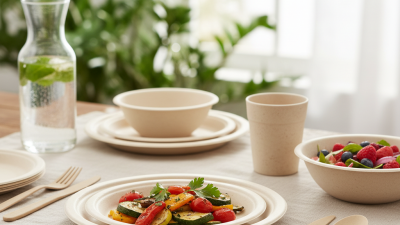
When choosing plant-based tableware, consider the material closely. Many options are made from sugarcane, bamboo, or cornstarch. These materials break down naturally after use. Look for items that are compostable, not just biodegradable. Compostable products return nutrients to the soil. This helps close the loop in eco-friendly practices.
Using plant-based tableware requires some mindfulness. These items can vary in durability. Some may not hold up well with hot foods or liquids. Test them out before serving. Also, avoid exposing them to high heat or extended moisture. This helps prevent mishaps during a meal.
Educate guests on the benefits of plant-based options. They may be surprised by the performance of these materials. A simple explanation can enhance their experience. Note that not all plant-based tableware is created equal. Some may contain additives or coatings that hinder compostability. Researching and selecting quality items is crucial for effective use.
Usage of Plant-Based Tableware Compared to Traditional Tableware
This chart displays the sustainability scores of various types of tableware. Plant-based tableware scores a high 9 out of 10, reflecting its eco-friendly attributes compared to traditional plastic and paper options. Reusable metal products also show good sustainability, but plant-based options are leading in environmental benefits.
Innovations and Future Trends in Plant-Based Tableware Industry
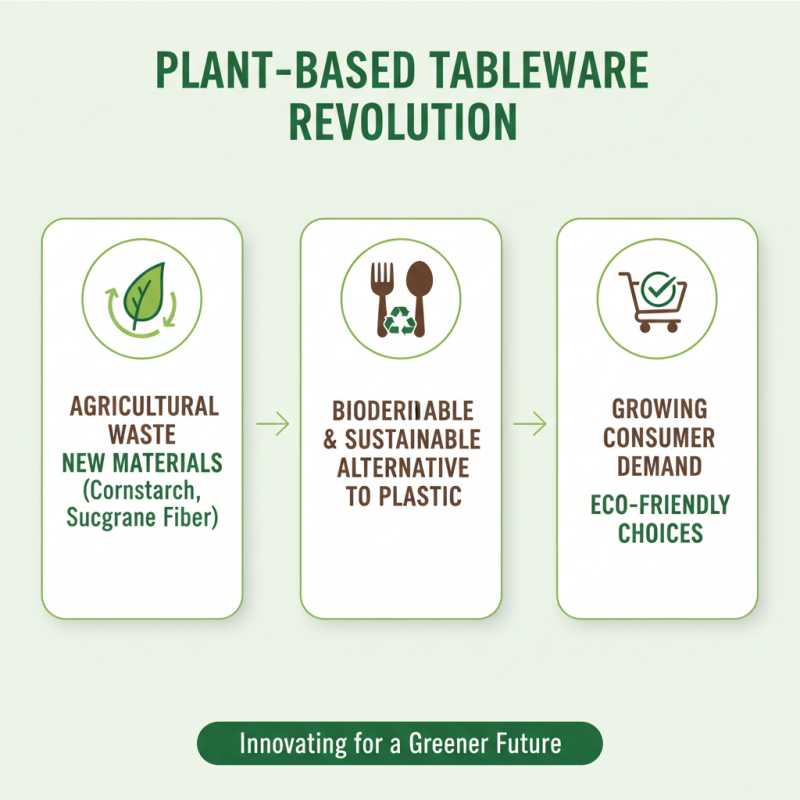
The plant-based tableware industry is evolving rapidly. Innovations are driving new materials from agricultural waste, like cornstarch and sugarcane fiber. These materials are biodegradable, offering a sustainable alternative to plastic. As consumers seek eco-friendly options, the demand for these products is growing.
Future trends show an increased focus on functionality. Lightweight and durable designs are becoming the norm. Some products even mimic the look of traditional tableware. However, there are challenges. The production processes can be resource-intensive, raising questions about sustainability.
Brands are also experimenting with additives to improve performance. Yet, this sometimes compromises the biodegradability aspect. Balancing innovation and sustainability is crucial. As the market evolves, the focus should remain on truly green solutions that minimize environmental impact.