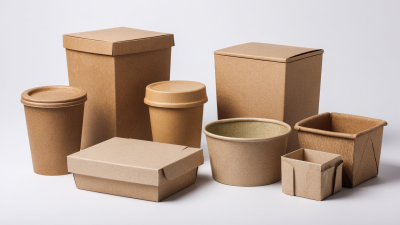
In today's environmentally conscious society, the packaging industry is undergoing a transformative shift towards sustainability. One of the most effective ways to contribute to this movement is by opting for eco-friendly solutions such as the Eco Friendly Pulp Box. These packaging alternatives, crafted from renewable materials, not only minimize environmental impact but also support a greener future. Understanding the importance of sustainable packaging is crucial for businesses looking to enhance their ecological footprint while meeting consumer demand for environmentally responsible products.
Choosing the right Eco Friendly Pulp Box entails considering various factors that can impact both the environment and the efficiency of your packaging. It is essential to evaluate aspects such as material composition, production processes, and waste management options. By prioritizing eco-friendly materials, businesses can significantly reduce their reliance on plastic and other harmful substances. This guide aims to provide you with essential tips for selecting the perfect eco-friendly pulp packaging that aligns with your sustainability goals while ensuring product safety and appeal. By making informed choices, businesses not only foster environmental stewardship but also attract a conscientious consumer base that values sustainability.
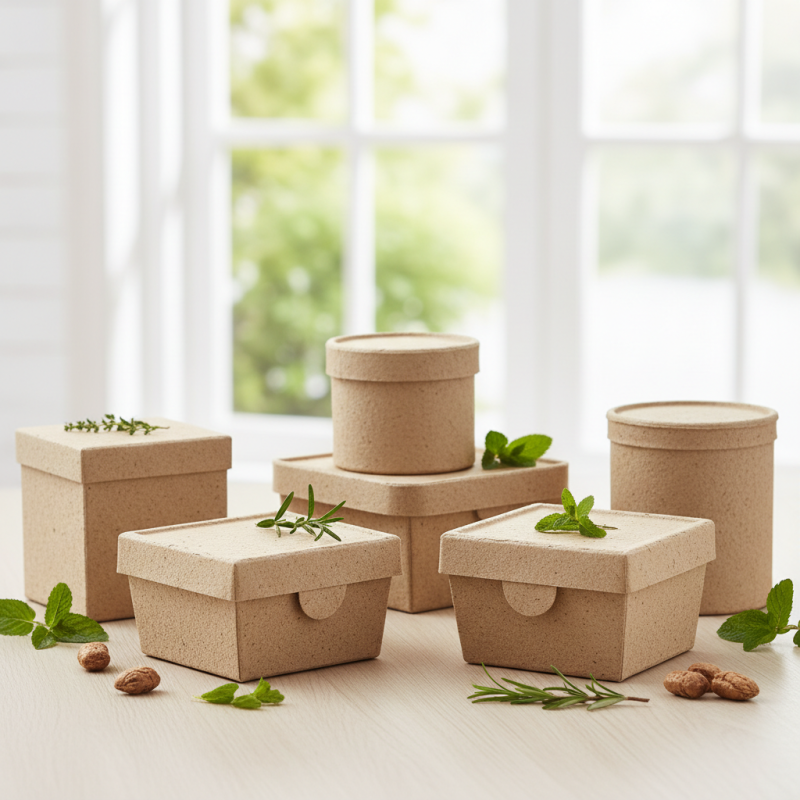
In today's environmentally conscious world, the importance of eco-friendly pulp boxes in sustainable packaging cannot be overstated. With the global packaging industry producing over 300 million tons of waste annually, businesses are urgently seeking alternatives that minimize their ecological footprint. According to the Ellen MacArthur Foundation, adopting sustainable packaging solutions can reduce greenhouse gas emissions by up to 60% in certain sectors, highlighting the significance of integrating eco-friendly materials like pulp boxes into packaging strategies.
When selecting eco-friendly pulp boxes, businesses should consider several essential tips. Firstly, ensure the boxes are made from recycled and biodegradable materials to promote circular economies. This not only decreases reliance on virgin materials but also supports waste reduction initiatives. Additionally, evaluate the sourcing of the raw materials; certifications like FSC (Forest Stewardship Council) can guarantee that the fibers are sourced sustainably, thus aiding in the preservation of our forests.
Furthermore, it is crucial to choose the right design and size that minimizes waste during shipping and storage. According to a report by Smithers Pira, optimizing packaging design can reduce material usage by up to 30%, leading not only to cost savings but also a noticeable drop in overall carbon output. By following these tips and committing to eco-friendly pulp boxes, businesses can significantly contribute to a sustainable future while appealing to the growing consumer demand for responsible packaging.
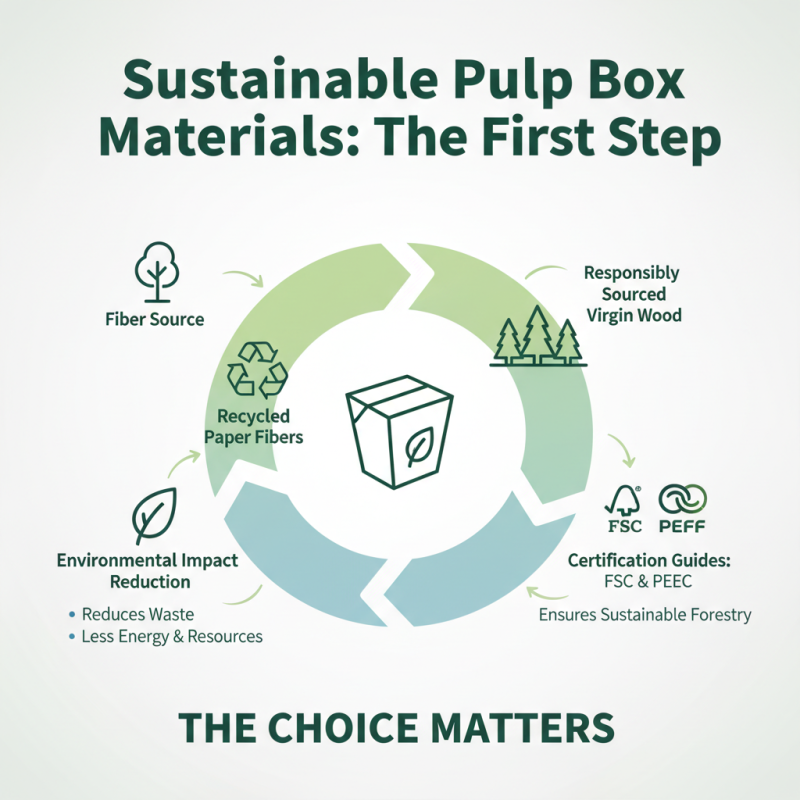
When evaluating the environmental impact of pulp box materials, the first step is to consider the source of the fibers used in production. Sustainable pulp boxes are often made from recycled paper fibers or responsibly sourced virgin wood. The importance of sourcing cannot be overstated; using recycled materials not only reduces waste but also minimizes the energy and resources required to produce new paper products. Certification systems such as the Forest Stewardship Council (FSC) or the Programme for the Endorsement of Forest Certification (PEFC) can guide consumers toward more sustainable choices, ensuring that the wood pulp comes from forests that are managed sustainably.
In addition to the sourcing of materials, the production process also plays a significant role in determining the environmental footprint of pulp boxes. Manufacturers that employ eco-friendly practices, such as low-impact bleaching processes or energy-efficient manufacturing methods, considerably reduce pollution and resource consumption. It is also beneficial to examine the life cycle of the pulp boxes, from production through disposal. Opting for biogradable or compostable pulp packaging further enhances its sustainability profile, as it mitigates landfill waste and promotes a circular economy. This comprehensive evaluation of materials and processes is crucial for businesses and consumers alike when striving for genuinely sustainable packaging solutions.
When selecting eco-friendly pulp boxes for sustainable packaging, understanding key certifications can significantly guide your choices. Certifications not only lend credibility to sustainability claims but also assure consumers that they are making environmentally responsible decisions.
Key certifications to look for include the Forest Stewardship Council (FSC) certification, which indicates that the paper pulp is sourced from responsibly managed forests. According to the FSC, over 200 million acres of forest around the world are under its certification, promoting sustainable forest management and providing environmental, social, and economic benefits.
Additionally, seeking out products that are certified by the Sustainable Forestry Initiative (SFI) can reinforce your commitment to sustainability. The SFI certification encompasses a robust set of standards including responsible forest management, conservation, and environmental protection practices. Reports indicate that approximately 375 million acres of forest land in North America is certified by SFI, representing a significant commitment to responsible forestry.
Brands utilizing these certifications often report improved consumer trust, with studies showing that 66% of global consumers are willing to pay more for sustainable brands, further emphasizing the importance of relying on recognized certifications in eco-friendly packaging initiatives.
In recent years, there has been an increasing emphasis on sustainable packaging solutions, particularly with the rise of eco-friendly pulp boxes. A comparative analysis reveals that pulp boxes significantly outperform traditional materials like plastic and Styrofoam. According to a report from the Sustainable Packaging Coalition, paper-based packaging, which includes pulp boxes, not only has a lower carbon footprint but also boasts a recycling rate of approximately 70%, compared to less than 10% for plastic materials. This stark contrast demonstrates the environmental advantages of adopting pulp boxes for both manufacturers and consumers seeking sustainable choices.
Further research published in the Journal of Cleaner Production highlights that pulp boxes are biodegradable and compostable, breaking down naturally in various environments without releasing harmful toxins. In contrast, traditional packaging materials can persist in landfills for hundreds of years, contributing to long-term environmental degradation. The report emphasizes that the transition to pulp packaging can lead to a 30-50% reduction in overall waste production when implemented on a large scale. This shift not only benefits the planet but also enhances brand reputation among eco-conscious consumers, who increasingly prioritize sustainability in their purchasing decisions.
When considering eco-friendly pulp boxes for sustainable packaging, cost-benefit analysis becomes crucial. While the initial investment in environmentally responsible packaging solutions may appear higher than traditional options, the long-term savings and benefits can be substantial. Companies that embrace sustainable packaging often see a reduction in waste disposal costs due to the biodegradable nature of pulp boxes. Additionally, there can be significant savings associated with production efficiencies and potential tax incentives for adopting green practices, making the overall cost more manageable.
One essential tip for choosing eco-friendly packaging is to assess the life cycle impact of the materials used. This involves looking beyond just the initial cost and considering factors such as sourcing, production, transportation, and disposal. It’s beneficial to investigate local suppliers of pulp boxes, as sourcing materials closer to your production site can reduce transportation costs and carbon emissions.
Another important aspect is to communicate the environmental benefits to consumers. Packaging that highlights its eco-friendliness can improve brand reputation and lead to increased customer loyalty. Ensuring your packaging design reflects sustainability not only contributes to a greener planet but can also distinguish your brand in a competitive marketplace, appealing to an audience that values responsible choices.