How to Embrace Sustainable Living with Plant-Based Tableware Choices
As we navigate the urgent call for sustainable living, the choices we make in our daily lives, particularly in dining, play a significant role in our environmental impact. Recent industry reports indicate that the global market for sustainable products, including Plant-Based Tableware, is projected to surpass $1 billion by 2025, as consumers increasingly seek eco-friendly alternatives that align with their values.
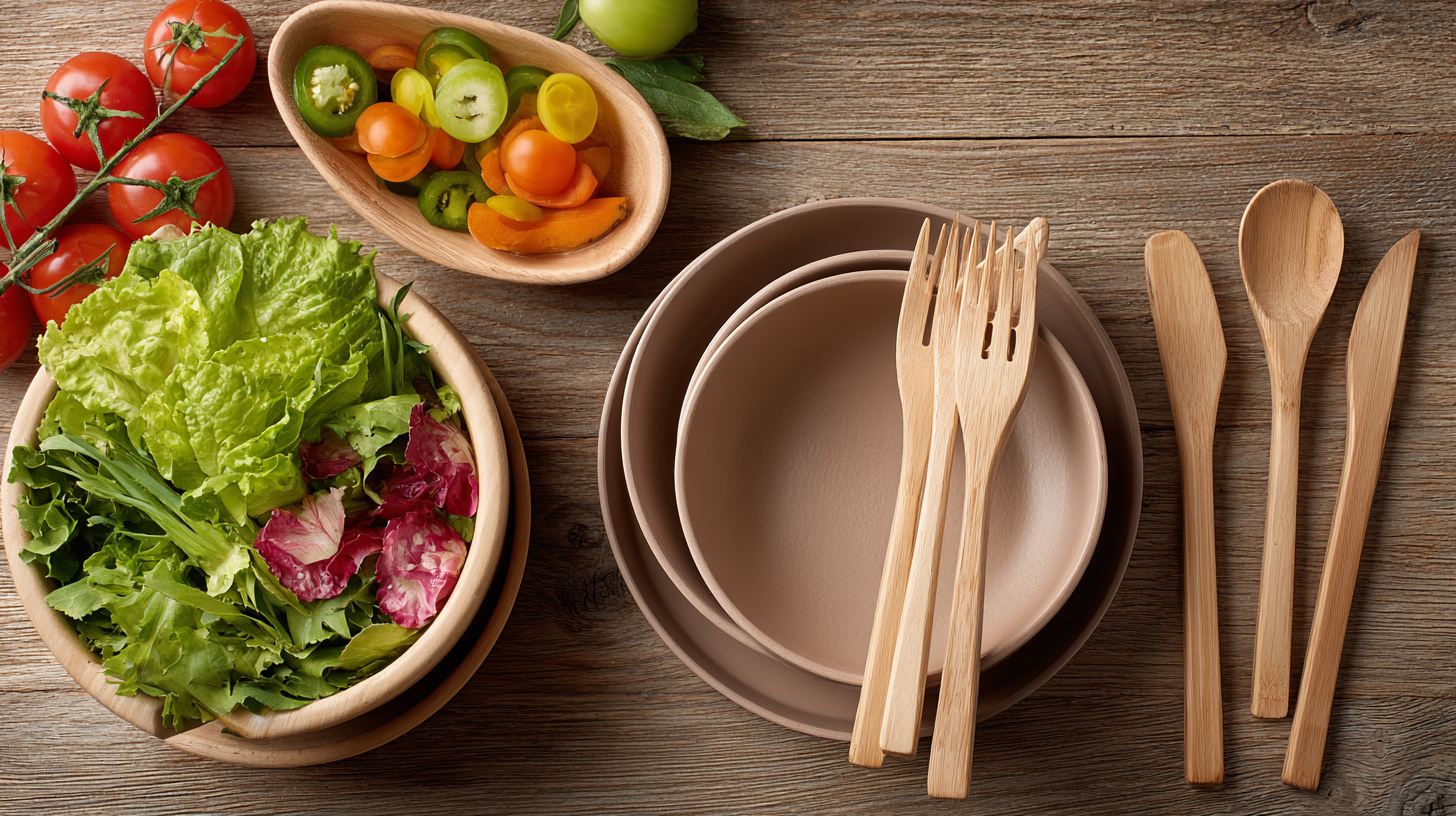
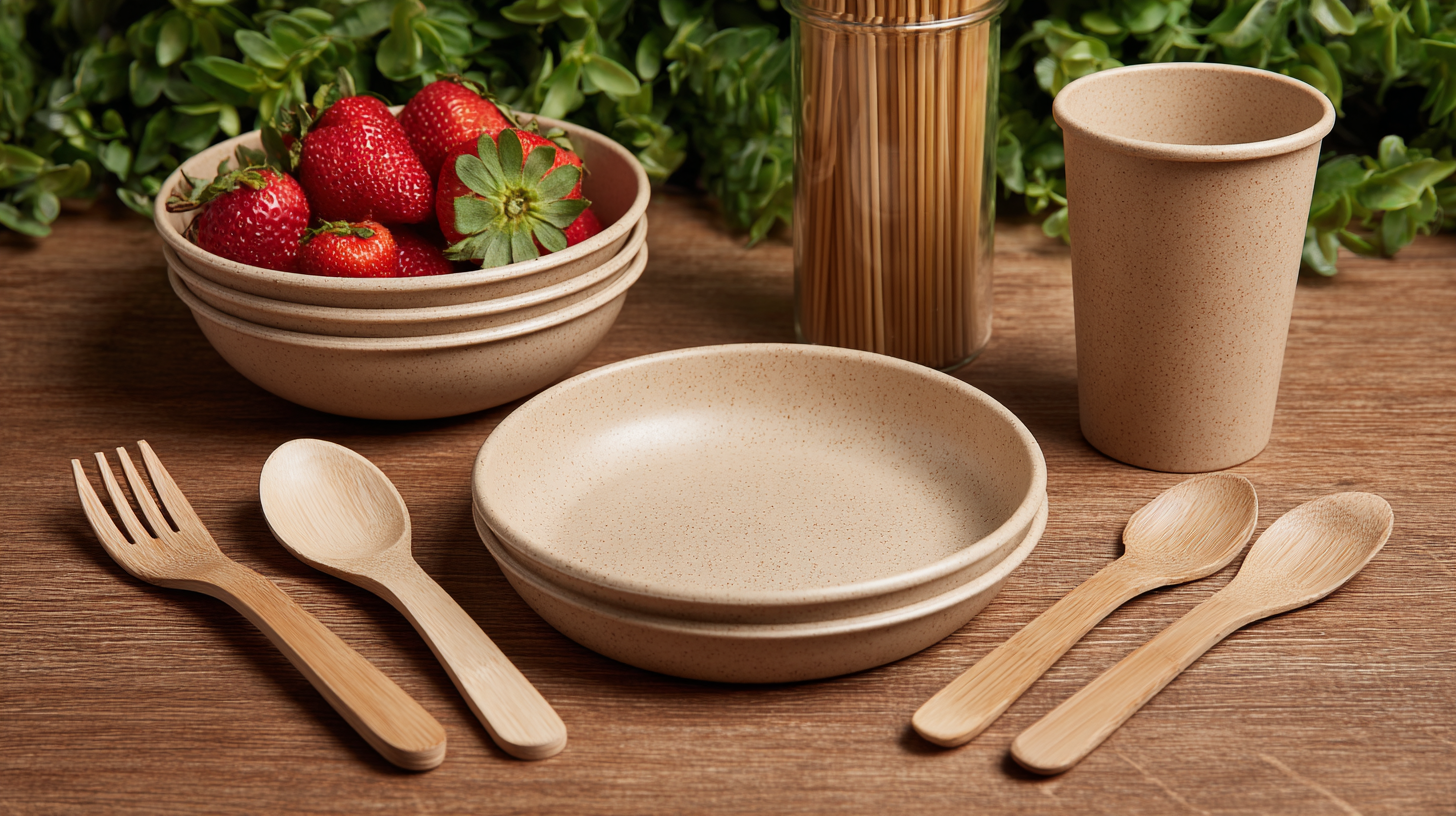
Plant-Based Tableware, made from renewable resources such as sugarcane, cornstarch, and bamboo, offers a practical solution to the traditional single-use plastics that contribute to pollution and landfill waste. By embracing these choices, we not only reduce our carbon footprint but also promote a circular economy, thereby contributing to a healthier planet for future generations.
The shift towards plant-based dining solutions reflects a broader societal transition towards sustainability, making it essential for both consumers and businesses to prioritize these environmentally conscious options.
Understanding the Benefits of Plant-Based Tableware for Sustainable Living
Plant-based tableware is gaining traction as consumers become increasingly aware of the environmental impacts of their choices. According to a recent report by Smithers Pira, the global market for sustainable packaging, including plant-based options, is expected to reach $440 billion by 2026. These alternatives not only reduce plastic waste but also utilize renewable resources, which significantly lessens our carbon footprint. With traditional plastic production leading to excessive greenhouse gas emissions, opting for plant-based materials can be a pivotal step towards sustainable living.
When considering the benefits of plant-based tableware, it's essential to highlight their biodegradability. Unlike conventional plastics that can take hundreds of years to decompose, plant-based options typically break down within 90 to 180 days, minimizing landfill contributions. Furthermore, many of these products are made from agricultural by-products, which not only supports sustainable agriculture but also reduces resource waste. A 2022 report from the Ellen MacArthur Foundation found that shifting to more biodegradable materials could reduce ocean plastic pollution by 25% by 2030.
**Tips for Choosing Plant-Based Tableware:**
1. Look for certifications such as compostable and biodegradable labels to ensure your tableware meets environmental standards.
2. Consider multi-use options; some plant-based items are sturdy enough for multiple uses, further enhancing their sustainability factor.
3. Support local brands that produce plant-based tableware, as this not only cuts down on transportation emissions but also boosts the local economy.
How to Embrace Sustainable Living with Plant-Based Tableware Choices
| Tableware Type |
Material |
Biodegradability |
Benefits |
Typical Use Cases |
| Compostable Plates |
Plant fibers (such as wheat straw) |
Yes, fully compostable |
Reduces plastic waste, safe for food contact |
Picnics, parties, outdoor events |
| Bamboo Cutlery |
Bamboo wood |
Yes, biodegradable |
Sustainable & renewable resource, sturdy and safe |
Travel, camping, daily use |
| Sugarcane Cups |
Sugarcane pulp (bagasse) |
Yes, compostable |
Helps in reducing landfill waste, suitable for hot and cold beverages |
Cafes, events, festivals |
| Palm Leaf Plates |
Fallen palm leaves |
Yes, biodegradable |
Stylish and unique appearance, strong and leak-proof |
Catering, weddings, barbeques |
| Recycled Paper Straws |
Recycled paper |
Yes, biodegradable |
Eco-friendly alternative to plastic straws, stylish |
Bar, restaurant, home parties |
Identifying Eco-Friendly Materials for Plant-Based Tableware Options
When it comes to sustainable living, choosing plant-based tableware is a significant step toward reducing our ecological footprint. This type of dinnerware often utilizes eco-friendly materials such as bamboo, sugarcane, and recycled plastics. According to a 2022 report by the International Journal of Environmental Research, switching to plant-based tableware can reduce landfill waste by up to 50% compared to traditional plastic products. These materials are not only biodegradable but also contribute to a circular economy, allowing them to decompose naturally and enrich the soil.
**Tips for Choosing Eco-Friendly Plant-Based Tableware:**
- Look for certifications such as ASTM D6400 or EN 13432, which indicate compostability and biodegradability.
- Prefer products made from renewable sources like sugarcane bagasse or bamboo, as these require fewer resources and emit less carbon during production.
- Avoid products that contain harmful chemicals or additives; check for brands that disclose their material sources and manufacturing processes.
By making conscious choices in our tableware, we can actively participate in promoting sustainability and protecting our environment. Emphasizing plant-based materials can support our health and the health of the planet by reducing the harmful waste generated from single-use plastics.
Practical Tips for Transitioning to Plant-Based Tableware in Daily Life
Transitioning to plant-based tableware is a practical step towards embracing sustainable living in our daily lives. Start by evaluating your current tableware collection and identifying items that can be replaced with eco-friendly alternatives. Look for products made from materials such as bamboo, corn starch, or sugarcane, which are not only biodegradable but also sturdy enough for regular use. To ease the transition, consider gradually swapping out plastic plates and utensils for plant-based options, allowing you to adjust to the new materials without feeling overwhelmed.
In addition to replacing existing tableware, you can also explore creative ways to incorporate plant-based items into your dining experiences. For example, hosting gatherings or parties with friends can be an excellent opportunity to showcase your new tableware. Use compostable items for serving food, which can elevate your gathering’s aesthetic while promoting sustainability. By sharing the benefits of plant-based tableware with family and friends, you can inspire others to make similar choices, fostering a community-focused approach to sustainable living.
DIY Ideas for Creating Your Own Plant-Based Tableware at Home
Creating your own plant-based tableware at home is not only a fun DIY project but also a step toward embracing sustainable living. Research shows that over 300 million tons of plastic are produced globally each year, with a significant portion ending up in landfills and oceans. By making plant-based alternatives, you can significantly reduce your environmental footprint. Simple materials like bamboo, palm leaves, and cornstarch can be transformed into stylish, functional tableware.
To get started, consider using palm leaves to craft disposable plates. Gather fallen leaves, wash them thoroughly, and shape them into plates using molds. This method not only repurposes natural materials but also creates biodegradable tableware that decomposes within 60-90 days. Additionally, cornstarch can be used to create cutlery—mix cornstarch with water and heat until it thickens, then pour into molds. Once set, you’ll have durable utensils that decompose much faster than their plastic counterparts.
**Tips for Effective DIY Plant-Based Tableware:**
- **Experiment with Different Materials:** Don’t limit yourself to just one type; mixing various plant materials can lead to innovative designs.
- **Add Natural Dyes:** Use natural dyes from vegetables, fruits, or spices to give your tableware a unique aesthetic without harmful chemicals.
- **Involve Family & Friends:** Turn the project into a social event, where everyone can contribute ideas and help create sustainable products.
Incorporating Plant-Based Tableware into Sustainable Celebrations and Events
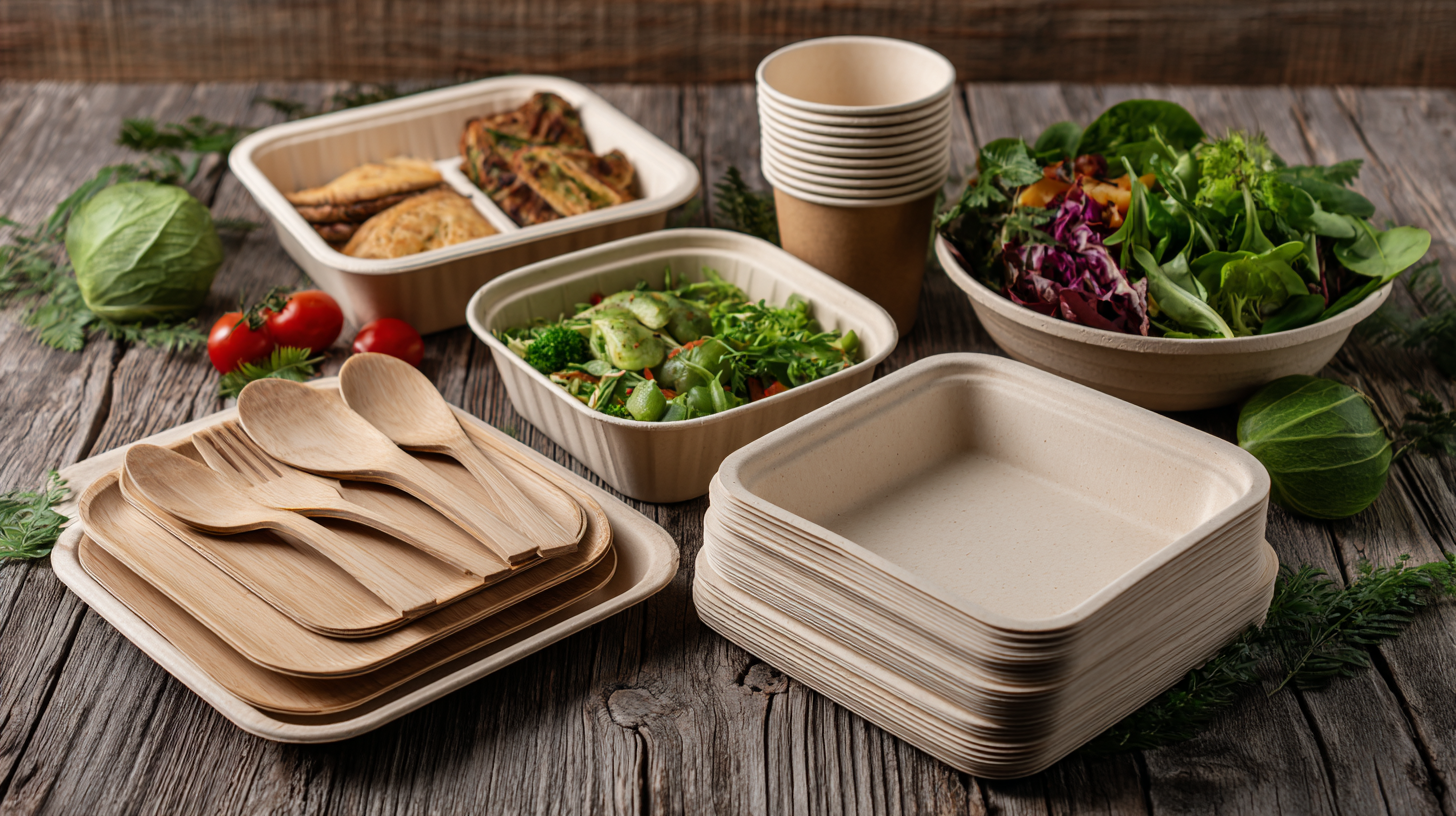
Incorporating plant-based tableware into celebrations and events is an impactful way to promote sustainability while enjoying culinary delights. As cities across Canada shift towards serving more plant-based options in their dining experiences, similar trends can be seen at events celebrating creativity and gastronomy. By opting for biodegradable and compostable tableware made from materials like sugarcane or bamboo, organizers can enhance their commitment to environmental preservation, reflecting the growing demand for eco-conscious practices.
Sustainable events are increasingly adopting plant-based themes, with festivals and gatherings choosing to eliminate meat to reduce their carbon footprint. This approach not only resonates with the rising popularity of plant-based dining but also encourages attendees to partake in a greener lifestyle. Whether it’s a music festival going meat-free or a cultural celebration featuring vibrant vegetarian dishes, these choices demonstrate how plant-based tableware can complement a sustainable and enjoyable atmosphere, ensuring that festivities remain both memorable and responsible.
Embracing Sustainable Living: Plant-Based Tableware Usage in Celebrations