Eco Friendly Pulp Containers at Canton Fair 2026 What Buyers Need?
The 2026 Canton Fair provides an exciting platform for showcasing Eco Friendly Pulp Containers. Held from April 15 to May 5, the fair features three distinct phases. These include advanced manufacturing and home decor, alongside other key sectors. The introduction of AI technology enhances the experience for buyers, allowing them to pinpoint suppliers who meet their specific requirements, such as ISO or CE certification.
Eco Friendly Pulp Containers are becoming increasingly important in various industries. These containers emphasize sustainability and reduce environmental impact. As buyers seek greener solutions, the demand for these innovative products rises. The integration of smart navigation tools at the fair allows for efficient exploration of 155,000 square meters of exhibits.
However, challenges remain. Not all suppliers may align with eco-friendly practices, and some containers may not meet high standards. Buyers must discern between genuine eco-friendliness and marketing claims. Continuous reflection and vigilance are necessary to embrace truly sustainable options. Ultimately, the fair offers a unique opportunity to discover and promote Eco Friendly Pulp Containers while navigating the complexities of sustainability in commerce.
Eco-Friendly Pulp Containers: An Overview of Sustainable Materials
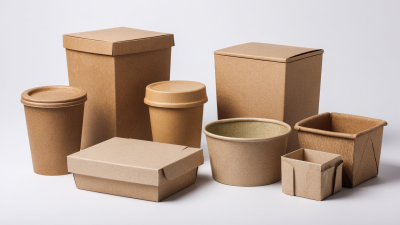
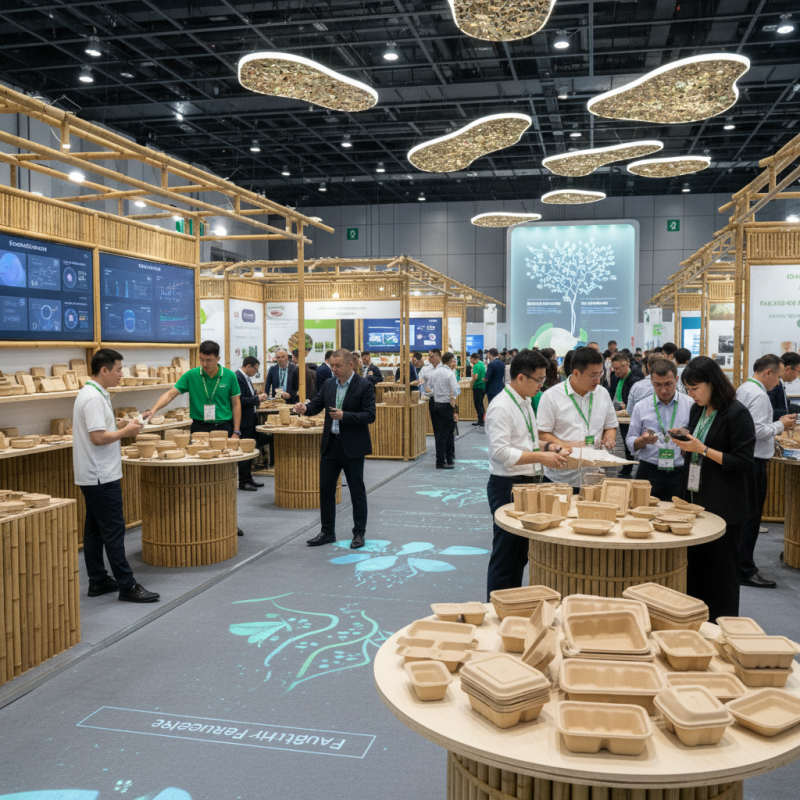
Eco-friendly pulp containers are gaining attention in sustainable packaging. These containers are made from renewable resources, like recycled paper. They are biodegradable and compostable, offering a green alternative to plastic. As a buyer, understanding these materials is crucial for making informed decisions. Pulp containers can vary in quality and thickness. It’s essential to assess their durability based on intended use.
Tips: Check for certifications that indicate sustainability. Consider the container’s lifespan and how it may decompose.
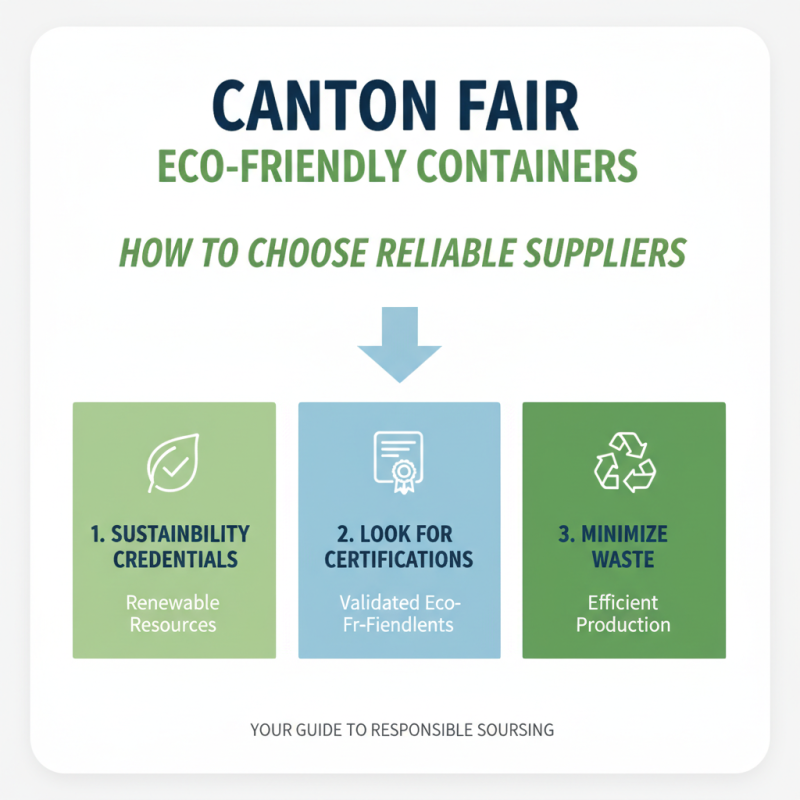
Buyers should also be aware of the production process. Some eco-friendly options might still involve harmful chemicals. Transparency from manufacturers is vital. Inspect the materials’ origins and how they are processed. Not all products labeled as “eco-friendly” meet strict environmental standards.
Tips: Ask for detailed information from suppliers. Do not hesitate to request samples, allowing for practical assessments. Keep learning about the evolving eco-friendly packaging landscape. It’s important to stay updated.
Eco-Friendly Pulp Containers: Market Trends and Preferences
This chart illustrates the preferences of buyers regarding eco-friendly pulp containers, highlighting the importance of biodegradability, sustainability, cost efficiency, design variety, and consumer demand.
Benefits of Using Eco-Friendly Pulp Containers in Packaging
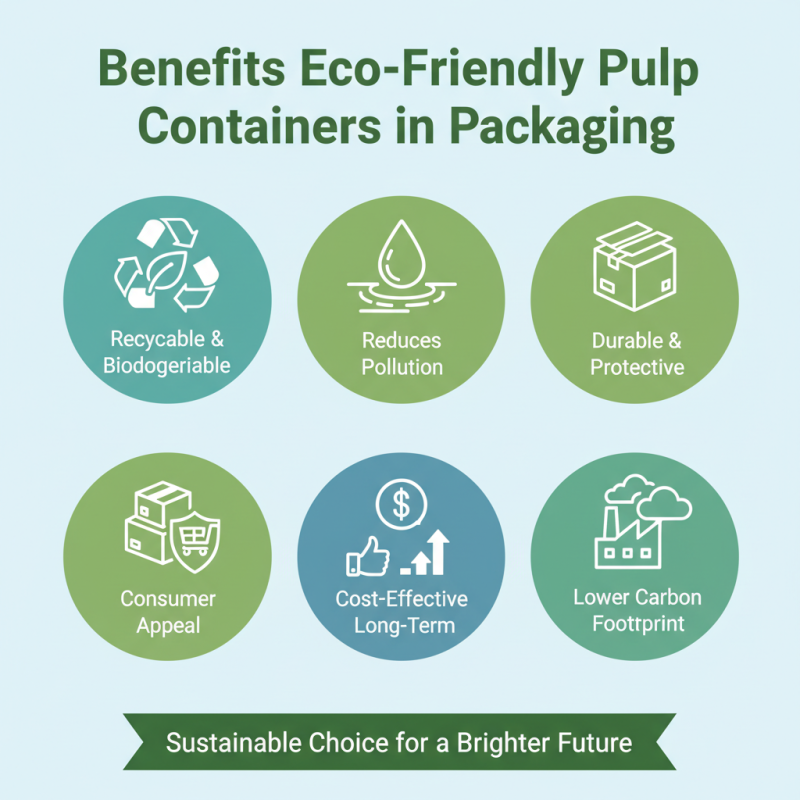
Eco-friendly pulp containers are gaining popularity among buyers due to their numerous advantages in packaging. These containers are made from recycled materials, primarily paper pulp. They offer a sustainable alternative to traditional plastic packaging. Buyers appreciate how these containers reduce waste and minimize environmental impact. They break down easily in landfills, contributing to a healthier planet.
Using eco-friendly pulp containers enhances brand image. Many consumers now prioritize sustainability when choosing products. By adopting these containers, brands can attract eco-conscious customers. However, there are challenges. The production process can be more complex and costly than standard options. Some buyers worry about durability and moisture resistance. It’s important to reflect on these issues when making packaging choices. Sustainable does not always mean perfect, and brands must find ways to innovate while addressing these limitations.
Key Features Buyers Should Look for in Pulp Containers
As buyers explore eco-friendly pulp containers at the Canton Fair 2026, several key features stand out. These containers are crafted from renewable materials, which is essential for sustainability. Reports show that the global pulp packaging market is set to reach $300 billion by 2025, driven by increasing environmental concerns. This growth underscores a shift toward responsible packaging solutions.
Buyers should assess the container's biodegradability. Many pulp containers claim to break down within 90 to 180 days in composting environments. However, it's important to read the specifications carefully. Not all options on the market deliver the same performance. Look for certifications that validate biodegradability claims. Additionally, potential buyers must consider the container’s strength. Optimal strength ensures that they can withstand various products without compromise.
Another aspect is functionality. Many eco-friendly options come in different shapes and sizes, catering to diverse needs. Buyers must reflect on whether these designs meet their packaging requirements. There's often a trade-off between aesthetics and practicality. While some designs look appealing, they may not be the best choice for transportation. Balancing these factors is crucial for making informed purchasing decisions at the fair.
Eco Friendly Pulp Containers at Canton Fair 2026 What Buyers Need?
| Feature |
Importance |
Notes |
| Material |
High |
Must be biodegradable and compostable. |
| Durability |
High |
Should withstand various temperatures and moisture levels. |
| Design flexibility |
Medium |
Customization options are desirable for branding. |
| Cost |
Medium |
Must be competitive compared to plastic alternatives. |
| Production capacity |
High |
Supplier should meet demand fluctuations. |
Market Trends and Innovations in Pulp Packaging Solutions
As the demand for eco-friendly packaging solutions rises, the pulp container market is witnessing significant innovation. Recent industry reports indicate that the global pulp packaging market is projected to grow at a CAGR of 5.1% from 2023 to 2030. This growth is driven by increasing consumer preference for sustainable products and stricter regulations on plastic use.
The Canton Fair 2026 will showcase a variety of innovative pulp packaging solutions. For instance, fully compostable containers made from agricultural residues are gaining traction. These containers decompose within 90 days, reducing landfill waste drastically. However, manufacturers are still grappling with scalability issues and cost-effectiveness. The challenge lies in meeting both eco-standards and market prices.
Moreover, market analyses reveal a growing expectation from consumers for transparency in sourcing materials. However, only 38% of brands provide adequate information about their packaging sources. This disconnect presents an opportunity for improvement. Addressing these gaps could better align production practices with consumer values, fostering trust and driving market demand.