What is an Eco Friendly Pulp Box and Why Choose It?
The growing demand for sustainable packaging has led to the rise of the Eco Friendly Pulp Box. This innovative solution is made from biodegradable materials that reduce environmental impact. Expert Jane Smith, who specializes in sustainable packaging, emphasizes, "Choosing an Eco Friendly Pulp Box not only protects our planet but also meets consumer expectations for greener products."
With increasing awareness about waste management, consumers are seeking alternatives to plastic. The Eco Friendly Pulp Box meets this need, offering a sustainable option for businesses. These boxes are not just eco-friendly; they provide durability and can be custom-designed for various products. This versatility makes them an attractive choice for companies looking to enhance their green credentials.
However, transitioning to eco-friendly options raises questions. Businesses may worry about cost implications and performance. Understanding the benefits of the Eco Friendly Pulp Box requires careful consideration. As industries evolve, embracing these changes can sometimes feel daunting but ultimately rewarding.
Definition of Eco Friendly Pulp Box and Its Characteristics
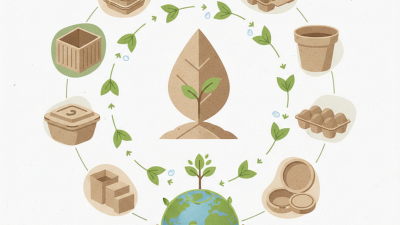
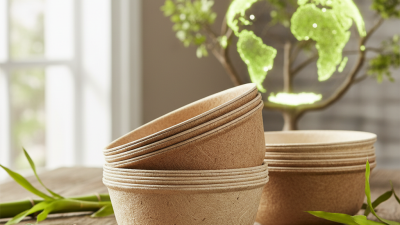
An eco-friendly pulp box is made from natural fibers. These fibers come from recycled paper and wood pulp. This packaging option is biodegradable and compostable. Unlike plastic, it breaks down easily in the environment. This feature helps reduce landfill waste and pollution.
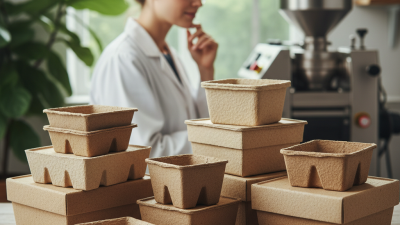
The characteristics of eco-friendly pulp boxes are striking. They are sturdy yet lightweight, making them convenient for various uses. The texture of the pulp gives a unique feel, enhancing the unboxing experience. Many people appreciate their natural appearance, which aligns with sustainable living ideals. They can also be customized for different shapes and sizes.
However, the production process may still leave room for improvement. Sourcing fibers sustainably can be challenging. Not all manufacturers prioritize eco-friendly methods. This raises questions about certification and transparency. As consumers, demanding clear labels and ethical practices is crucial. Each choice can contribute to a healthier planet.
Environmental Benefits of Using Eco Friendly Pulp Boxes
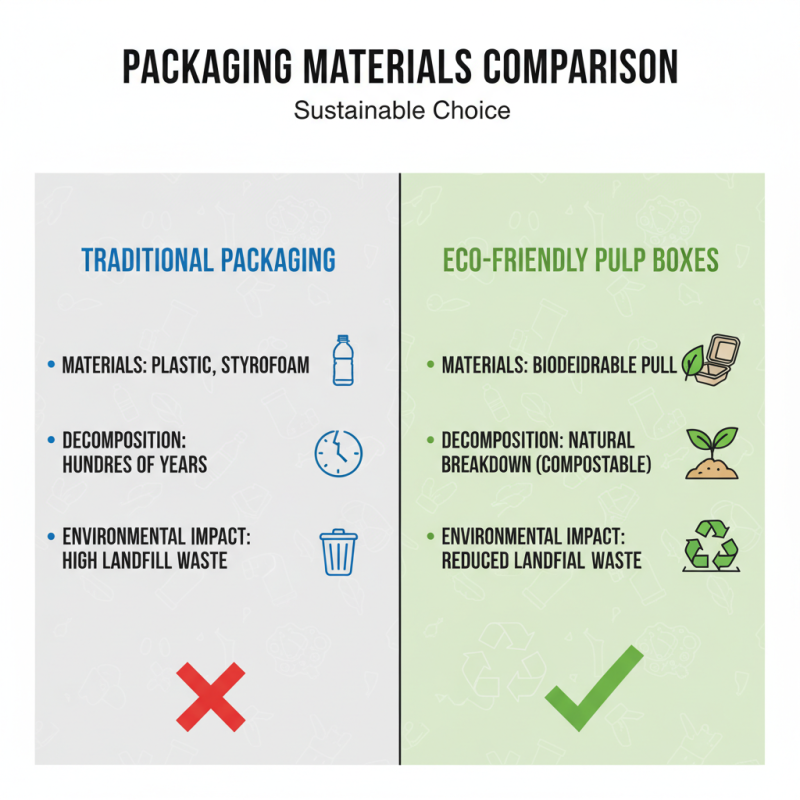
Eco-friendly pulp boxes are becoming increasingly popular for their numerous environmental benefits. Made from biodegradable materials, these boxes break down easily, reducing landfill waste. Unlike plastic packaging, which can take hundreds of years to decompose, pulp boxes return to the earth quickly. They are made from renewable resources, often recycled paper or organic fibers, making them a sustainable choice.
Using eco-friendly pulp boxes also helps to cut down on pollution. The production process emits fewer harmful chemicals compared to traditional plastic manufacturing. This contributes to a cleaner environment. However, the production must be managed carefully. If not sourced responsibly, it can lead to deforestation and habitat loss.
Many consumers now seek these boxes to align with their values. Choosing eco-friendly packaging reflects a commitment to sustainability. Yet, some may question their durability and performance. It's vital to ensure the right design and materials for specific uses. Opting for eco-friendly solutions is an essential step towards a greener future.
Comparison with Traditional Packaging Materials
Eco-friendly pulp boxes are gaining traction in the packaging industry. They offer a sustainable alternative to traditional materials. Traditional packaging often relies on plastic and Styrofoam. These materials can take hundreds of years to decompose. Conversely, pulp boxes are biodegradable and compostable. They can break down naturally, reducing landfill waste significantly.
A 2021 report from the Paper & Paperboard Packaging Environmental Council (PPEC) highlights that using pulp-based materials can decrease greenhouse gas emissions by up to 30%. In contrast, plastic production contributes significantly to carbon emissions. Pulp boxes also require less energy during manufacturing compared to traditional packaging. This shift aligns with global sustainability goals.
Tips: When considering eco-friendly packaging, look for certifications. Certifications can signal a commitment to sustainable practices. Also, consider the lifecycle of the product. Even seemingly small changes can contribute to a larger environmental impact. Reflect on your packaging choices and their long-term effects. Each decision can either support sustainability or perpetuate waste.
Applications of Eco Friendly Pulp Boxes in Various Industries
Eco-friendly pulp boxes are gaining traction across various industries due to their sustainability and functionality. These boxes are made from recycled materials, making them a responsible choice for packaging. They are used in food services, retail, and electronics, playing a crucial role in reducing environmental impact.
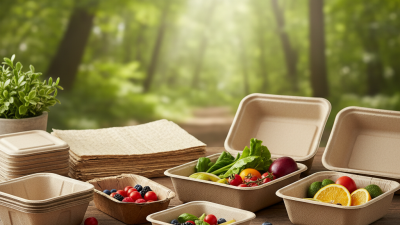
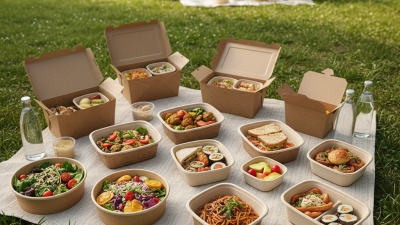
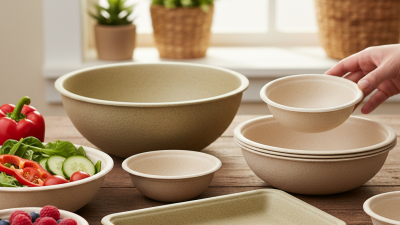
In the food industry, eco-friendly pulp boxes serve as an excellent substitute for plastic containers. They are biodegradable and can safely accommodate hot and cold items. Restaurants often choose these boxes for takeout meals. This decision aligns with their commitment to sustainability. Additionally, retailers utilize them for packaging products, enhancing their eco-friendly image and appealing to conscious consumers.
Tips: When selecting pulp boxes, consider the size and weight of your products. Ensure they provide adequate protection during transport. Look for boxes that are certified compostable. This can enhance your brand's credibility even further.
In the electronics industry, these boxes provide cushioning for fragile items. They reduce the reliance on plastic foam and other non-biodegradable materials. Nonetheless, not all pulp boxes are created equal. Some may not withstand harsh shipping conditions, so it's essential to choose with care. Assessing durability is vital to avoid damages and ensure customer satisfaction.
Applications of Eco Friendly Pulp Boxes in Various Industries
Factors to Consider When Choosing an Eco Friendly Pulp Box
When choosing an eco-friendly pulp box, there are several important factors to consider. The material is a major aspect. Pulp boxes are typically made from recycled paper or natural fibers. These materials break down easily, making them an excellent choice for reducing waste. Look for products that use sustainable sources. Understanding the sourcing process enhances reliability.
Consider the box’s durability. A sturdy pulp box can protect contents during shipping. Yet, it should also be biodegradable. Balancing strength and eco-friendliness is crucial. Testing different products can help identify the best option for your needs. Note that not all boxes perform the same, leading to potential frustration.
Think about the design as well. A well-designed box minimizes excess material. This approach maintains functionality while being eco-conscious. However, simplicity can sometimes lead to limitations. Ensure the design meets your practical requirements without compromising sustainability. By keeping these factors in mind, you can make informed decisions for your packaging needs.
What is an Eco Friendly Pulp Box and Why Choose It? - Factors to Consider When Choosing an Eco Friendly Pulp Box
| Feature |
Description |
Benefits |
| Biodegradability |
Made from natural fibers that decompose easily in the environment. |
Reduces landfill waste and minimizes environmental impact. |
| Sustainability |
Sourced from renewable materials such as recycled paper and plant fibers. |
Supports eco-friendly practices and renewable resource utilization. |
| Customization |
Can be designed in various shapes, sizes, and prints for branding. |
Allows businesses to enhance their brand visibility while being eco-conscious. |
| Cost-effectiveness |
Competition in the market has made eco-friendly options more affordable. |
Provides a sustainable packaging solution without breaking the bank. |
| Consumer Preference |
Increasing demand for sustainable products among consumers. |
Attracts environmentally-conscious customers and improves brand loyalty. |