10 Eco Friendly Pulp Box Tips for Sustainable Packaging Solutions?
In the evolving landscape of sustainable packaging, the "Eco Friendly Pulp Box" has emerged as a vital solution. Experts like Dr. Emily Wright, an authority in sustainable materials, emphasize its significance, stating, "Eco Friendly Pulp Boxes are not just a trend; they are a necessity for our planet's future." These innovative packaging options effectively reduce waste and promote recycling efforts.
However, while they offer numerous benefits, challenges remain. The production process can sometimes be energy-intensive, raising questions about overall sustainability. As companies navigate this space, balancing eco-friendliness with efficiency proves difficult. The industry's commitment to improvement must be unwavering.
Implementing better practices in using Eco Friendly Pulp Boxes can lead to significant advances. It requires businesses to rethink design, sourcing, and lifecycle management. By prioritizing these boxes, companies can align with eco-conscious consumers while addressing pressing environmental issues. The journey towards complete sustainability is ongoing, and every step counts.
Understanding the Benefits of Eco-Friendly Pulp Packaging Solutions
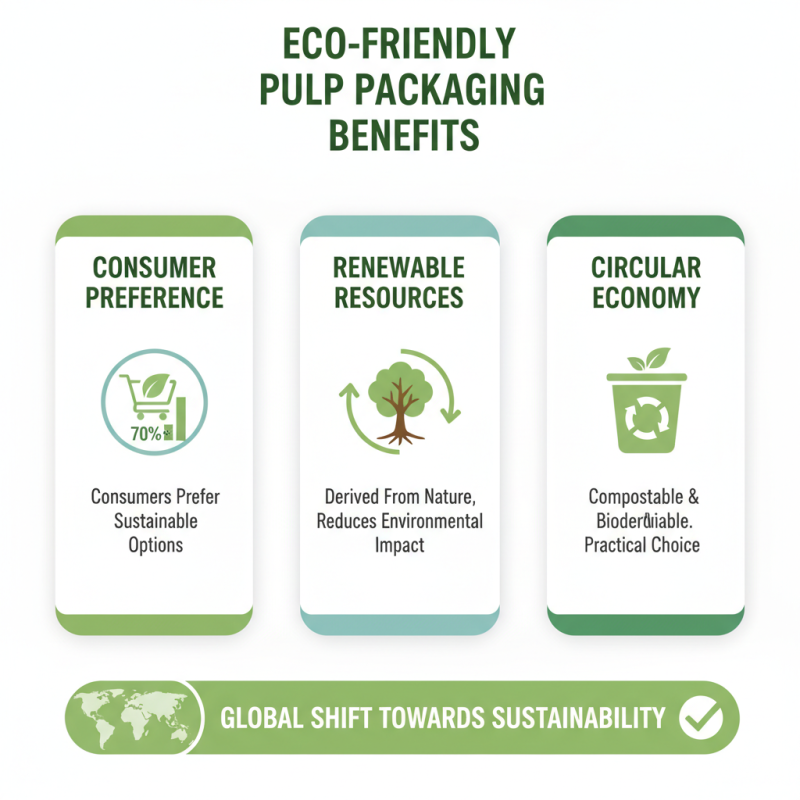
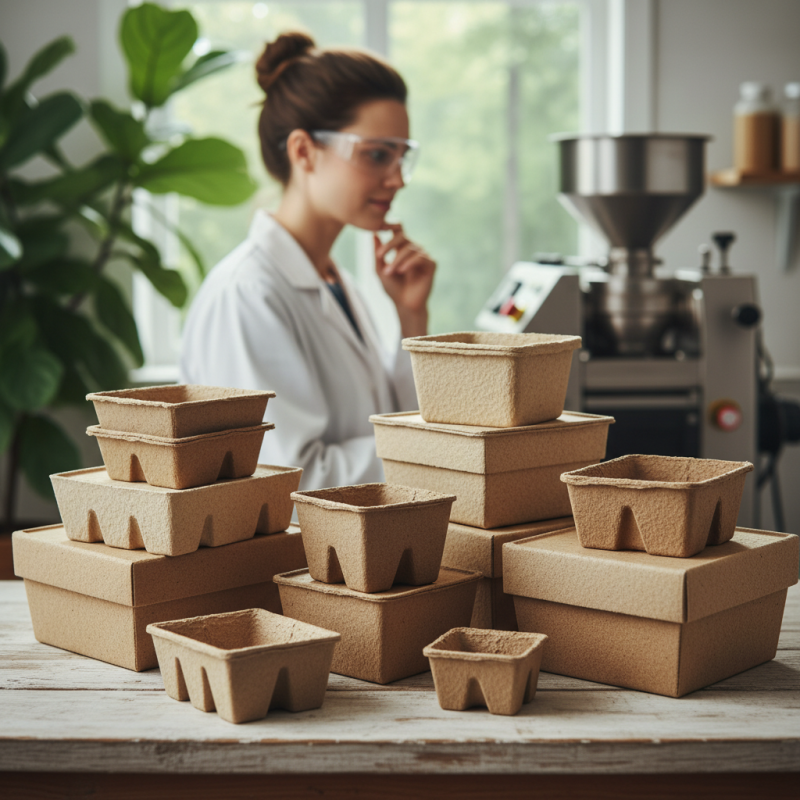
Eco-friendly pulp packaging solutions are gaining momentum in various industries. Research indicates that over 70% of consumers prefer sustainable packaging options. This trend highlights a shift towards environmentally conscious choices, driving companies to adopt pulp packaging. Such materials derive from renewable resources, ensuring reduced environmental impact. Furthermore, pulp packaging is compostable and biodegradable, making it a practical choice for eco-friendly businesses.
When considering sustainable packaging, here are some tips. Utilize local suppliers when sourcing materials. This reduces carbon footprints and supports local economies. Choose materials with high recyclability rates, which can significantly lower landfill contributions. Prioritizing lightweight designs can enhance transport efficiency, further minimizing environmental impacts.
Economically, companies using pulp solutions report increased customer loyalty and brand trust. According to a recent survey, businesses that prioritize sustainability see a 25% increase in repeat purchases. However, companies must reflect on their practices. Not every pulp product meets rigorous sustainability standards, and proper certifications are essential to ensure genuine eco-friendliness. As the demand for green solutions grows, integrating ethical practices will not only benefit the planet but also enhance long-term business viability.
Key Materials Used in Sustainable Pulp Box Production and Their Impact
Sustainable pulp boxes are gaining traction in eco-friendly packaging. Key materials used include recycled paper and biodegradable additives. Research indicates that using recycled materials reduces energy consumption by 60%. This statistic highlights the importance of materials in sustainable packaging solutions.
Biodegradable additives, such as starch and cellulose, improve the functionality of pulp boxes. They help in creating a barrier against moisture and grease without harming the environment. Studies show that these materials can decompose within 90 days in a composting environment. However, challenges remain in ensuring that production processes are truly sustainable.
It's crucial to consider the sourcing of these materials. Defining standards for sustainable sourcing can be complex. Some suppliers may claim eco-friendliness without proper certifications. Transparency in the supply chain is essential for brands committed to sustainability. This underlines the need for continuous improvement in the industry.
Industry Trends: Growth of Eco-Friendly Packaging Market Statistics
The eco-friendly packaging market is experiencing significant growth.
Recent statistics show that consumers increasingly favor sustainable options. They are aware of environmental impacts, leading to a demand for greener solutions.
This shift is primarily driven by younger generations who prioritize eco-conscious choices.
Many industries are innovating to meet these demands. From biodegradable materials to reusable designs, the options are expanding.
However, challenges remain in sourcing sustainable materials. Some companies struggle to balance cost and environmental responsibility.
This tension raises questions about true commitment to sustainability.
Amid this growth, transparency in sourcing and materials is crucial. Companies must communicate their efforts clearly.
They risk losing consumer trust if they don’t. As the market evolves, it’s essential to reflect on practices and ensure they align with eco-friendly values.
Best Practices for Designing Effective Pulp Box Solutions for Brands
When designing effective pulp box solutions, consider your materials carefully. Sourcing recycled pulp not only reduces waste but also promotes sustainability. This choice often brings a unique texture and visual appeal that stands out. Brands should think about the entire lifecycle of their packaging. Is it easily recyclable or compostable at the end of its use?
Incorporating clear labeling is essential. Consumers appreciate transparency about materials and disposal methods. Visual elements like icons can simplify this information. Remember that not every design will resonate. Conducting user testing can unveil preferences and areas for improvement.
Simplicity is often key in design. A minimalistic approach can enhance functionality while still allowing creativity to shine through. However, be aware of the trade-offs. Overly complex designs may hinder manufacturing efficiency and increase costs. Ultimately, the goal should be creating effective, sustainable, and appealing pulp boxes that align with brand values.
Case Studies: Successful Implementation of Eco-Conscious Pulp Packaging
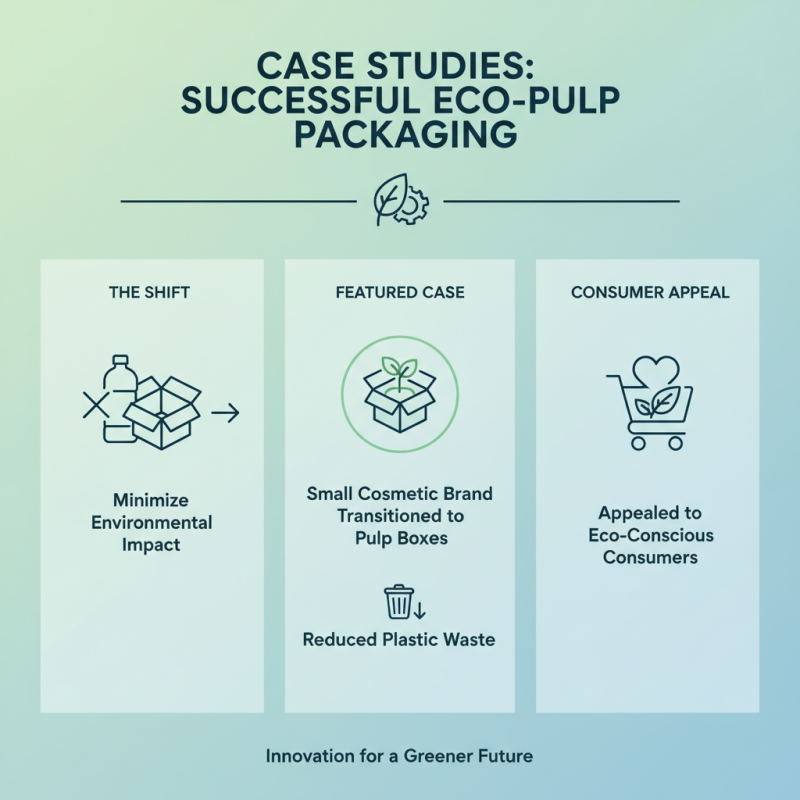
In recent years, many companies have successfully adopted eco-friendly pulp packaging. These case studies highlight innovative solutions that minimize environmental impact. One notable example involved a small cosmetic brand that transitioned to pulp boxes. This move significantly reduced their plastic waste and appealed to eco-conscious consumers.
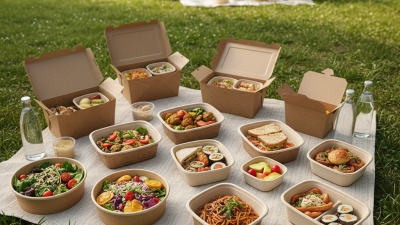
Another instance is a food delivery service that switched its packaging to sustainable pulp materials. Not only did this decision align with their green policies, but it also attracted new customers. However, the company faced challenges in sourcing reliable suppliers. They needed to ensure that the pulp materials were both high-quality and sustainably sourced. After extensive research, they found local suppliers committed to eco-friendly practices, enhancing their credibility.
Yet, not all implementations go smoothly. Some businesses struggle with production costs and finding the right balance between sustainability and affordability. That said, ongoing trials and errors are vital. Continuous feedback and adaptation can lead to better practices. The journey toward green packaging is full of lessons, but the potential rewards are enormous.