10 Eco Friendly Pulp Bowl Tips for Sustainable Living
In recent years, awareness of environmental issues has surged. The rise in plastic waste has prompted a shift towards sustainable alternatives. One such innovation is the Eco Friendly Pulp Bowl. These bowls, made from biodegradable materials, help reduce our carbon footprint. According to a 2022 report by the World Economic Forum, more than 300 million tons of plastic waste are produced globally each year. Transitioning to eco-friendly products can significantly lower these numbers.
The Eco Friendly Pulp Bowl stands out as not only a practical choice but an ethical one. Utilizing renewable resources, these bowls decompose naturally and enrich the soil. However, challenges remain. Some consumers still prefer traditional options, raising doubts about the scalability of pulp products. Research indicates that only 19% of consumers actively seek out biodegradable alternatives. This discrepancy shows a need for better education on sustainable living.
Embracing the Eco Friendly Pulp Bowl is a step towards a greener future. It represents a growing trend of conscious consumerism. While the benefits are clear, the journey to widespread acceptance requires collective effort and awareness. As we seek to minimize waste, such small changes can create a lasting impact.
Understanding Eco-Friendly Pulp Bowls: A Sustainable Choice
Eco-friendly pulp bowls are revolutionizing sustainable living. Made from recycled materials, they are a practical alternative to plastic. According to recent industry reports, the global demand for biodegradable products is expected to grow by 10% annually. This shift reflects consumers' increasing concern for the environment.
Using pulp bowls can reduce landfill waste significantly. They decompose within 90 days, unlike plastic, which can last for centuries. Here are some tips for using pulp bowls effectively.
First, ensure proper disposal by composting after use. This practice contributes to a healthier planet.
Second, explore uses beyond food. Pulp bowls are great for organizing small items.
Despite their benefits, challenges remain. Some users report that pulp bowls may leak when exposed to liquid for extended periods. It's essential to evaluate their application in situations where moisture is involved. Moreover, the production process can still leave a carbon footprint.
Thus, understanding the full cycle of use is crucial. Embracing these products is a step toward greener choices. Engaging in this dialogue is vital for sustainable living.
Benefits of Using Eco-Friendly Pulp Bowls in Everyday Life
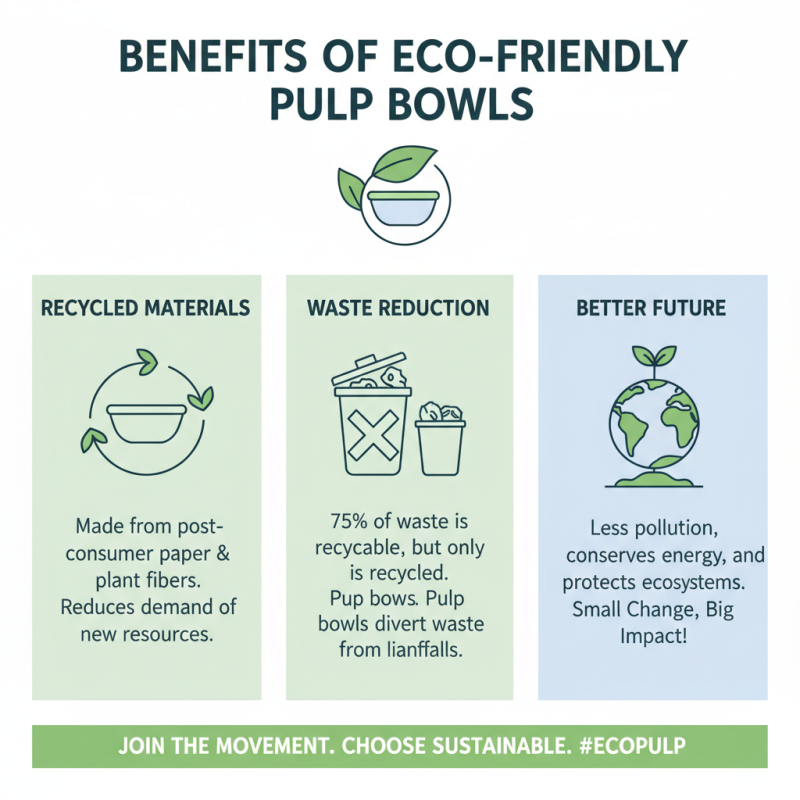
Eco-friendly pulp bowls are gaining traction in sustainable living. They are made from recycled materials, reducing waste. According to the Environmental Protection Agency, about 75% of our waste is recyclable, but we only recycle 30%. By using pulp bowls, individuals contribute to better waste management.
These bowls break down easily in compost. They can decompose within 90 days, unlike plastic, which can take hundreds of years. A study by the Ellen MacArthur Foundation shows that if we shift to biodegradable options, we can reduce landfill waste significantly. This is vital in combatting climate change.
Pulp bowls are not just eco-friendly; they are durable and safe for food contact. Many are microwave and freezer safe, providing versatility for daily use. However, some users report challenges, such as leaking when too moist. This highlights the need to educate consumers on appropriate uses. Transitioning to sustainable products can be imperfect, but every small change helps our planet.
Tips for Selecting the Right Eco-Friendly Pulp Bowl for Your Needs
Choosing the right eco-friendly pulp bowl can greatly impact your sustainable living journey. Start by considering the material. Pulp bowls are often made from recycled paper or natural fibers, both of which are biodegradable. Look for options that specifically mention these qualities. Assess the bowl's durability too. Some are sturdier than others, which can lead to less waste over time.
Size matters. Medium-sized bowls are versatile for various meals. Larger bowls may hold more food but can lead to over-serving. Reflect on your typical portion sizes before making a decision. Also, think about packaging. Eco-friendly options should arrive with minimal plastic. Sometimes, you'll encounter bowls with excessive wrapping, which contradicts their purpose.
Lastly, consider ease of disposal. Some pulp bowls can be composted, while others must go to recycling. Understand your local disposal options. Not all pulp bowls are created equal, so it's essential to research thoroughly. Each choice can contribute to a healthier planet, but some might not meet your needs adequately. That’s part of the learning process. Embrace these challenges as opportunities to refine your choices.
10 Eco Friendly Pulp Bowl Tips for Sustainable Living
Creative Uses for Eco-Friendly Pulp Bowls in Sustainable Living
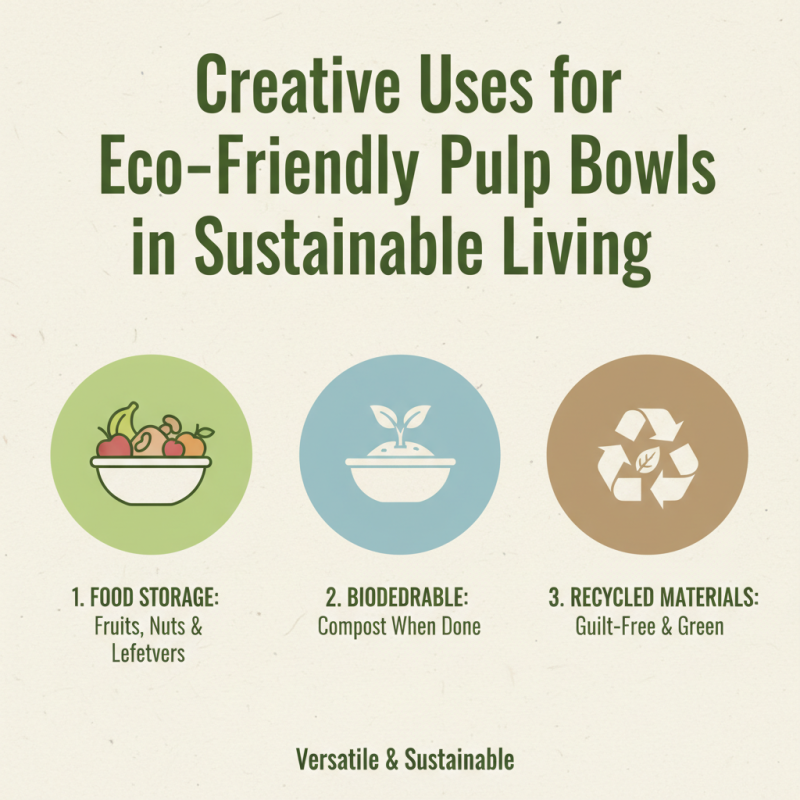
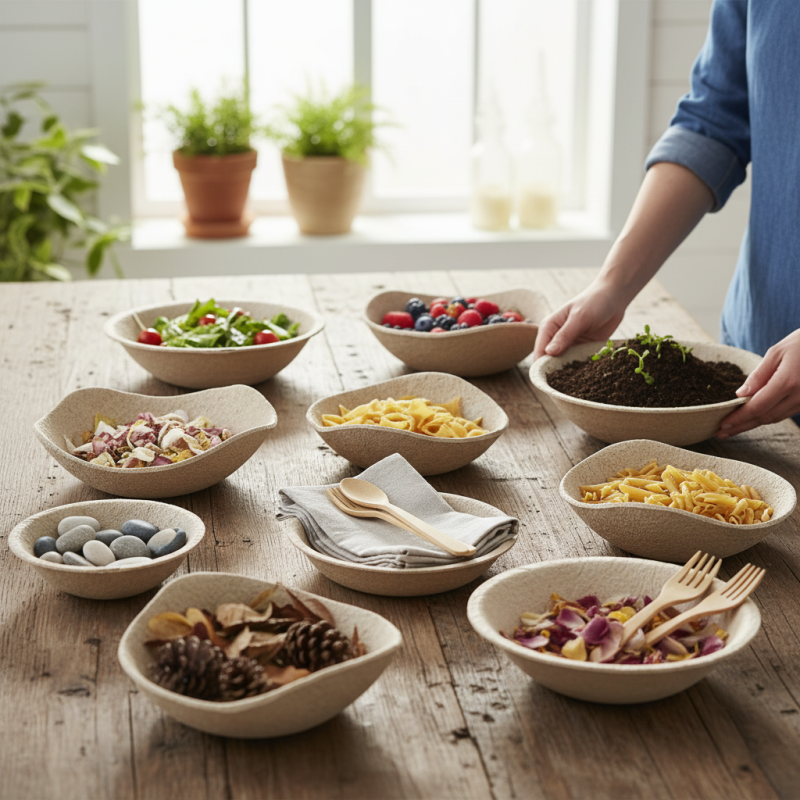
Eco-friendly pulp bowls are versatile tools for sustainable living. They are made from recycled materials. This makes them perfect for various creative uses. One clever idea is to use these bowls for food storage. They can hold fruits, nuts, or leftovers. Their biodegradable nature ensures that you can compost them when no longer needed.
Tip: Always choose bowls that are certified compostable. This ensures they break down properly in the environment.
Another creative use for pulp bowls is as planters. Their breathable design makes them ideal for starting seeds. Place soil and seeds in the bowl, and watch them grow. When the seedlings are ready, transplant them into your garden. The bowl will decompose, enriching the soil as it breaks down.
Tip: Experiment with different herbs or flowers. Creating a mini garden in your kitchen is rewarding.
It’s important to acknowledge that not all pulp bowls are made equal. Some may contain harmful coatings that hinder composting. Always check for products that align with your eco-friendly goals.
Caring for and Recycling Eco-Friendly Pulp Bowls for Longevity
Eco-friendly pulp bowls are becoming popular for their sustainability and biodegradability. To ensure their longevity, proper care and recycling are crucial. According to the Environmental Protection Agency, compostable materials like pulp reduce landfill waste significantly. This makes understanding how to maintain and recycle these bowls essential for eco-conscious consumers.
To enhance the lifespan of pulp bowls, avoid exposing them to extreme temperatures. High heat can warp their structure. Regular hand washing with mild soap is recommended over dishwashing, which may weaken the material. Additionally, keep them dry to prevent degradation. Recycling these bowls is also vital. Many communities have composting programs that accept pulp materials, offering an effective method to repurpose them.
Despite their benefits, challenges exist. Not all recycling facilities accept pulp bowls, creating confusion for users. Some consumers may inadvertently dispose of them in trash bins instead of compost pits. Awareness campaigns are necessary to educate individuals about proper disposal methods. Leveraging local resources can provide clarity on recycling practices and ensure that eco-friendly choices do not contribute to environmental harm.
10 Eco Friendly Pulp Bowl Tips for Sustainable Living
| Tip Number |
Tip Description |
Benefits |
Care Instructions |
| 1 |
Choose compostable pulp bowls. |
Reduces waste in landfills. |
Dispose in compost bins. |
| 2 |
Regularly clean with eco-friendly products. |
Maintains bowl quality and longevity. |
Avoid harsh chemicals. |
| 3 |
Store in a dry place. |
Prevents mold and degradation. |
Keep away from moisture. |
| 4 |
Use them for dry foods only. |
Increases lifespan of bowls. |
Limit contact with wet items. |
| 5 |
Recycle damaged bowls if possible. |
Reduces environmental impact. |
Check local recycling policies. |
| 6 |
Avoid using in microwaves. |
Prevents damage from heat. |
Use alternative containers for heating. |
| 7 |
Share with friends instead of disposing. |
Encourages sustainable practices. |
Keep a sharing box available. |
| 8 |
Use for arts and crafts projects. |
Minimizes waste creatively. |
Paint or decorate as desired. |
| 9 |
Introduce to community recycling events. |
Promotes communal sustainability. |
Coordinate with local groups. |
| 10 |
Educate others about pulp bowl benefits. |
Fosters environmentally conscious habits. |
Host workshops or talks. |