What is an Eco Friendly Pulp Bowl and Its Benefits?
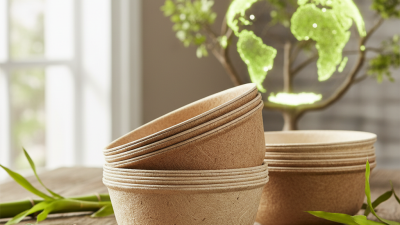
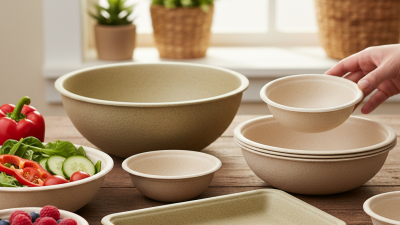
In today’s world, sustainability is a vital concern. Many seek eco-friendly alternatives in everyday products. One such innovation is the Eco Friendly Pulp Bowl. This product stands out due to its unique material and design. Made from recycled paper pulp, it emphasizes reducing waste. Many consumers appreciate its biodegradability.
The Eco Friendly Pulp Bowl is lightweight yet sturdy. It serves both convenience and environmental responsibility. These bowls are versatile, suitable for various occasions from picnics to formal events. However, not all users may realize their potential. They worry about durability or moisture resistance.
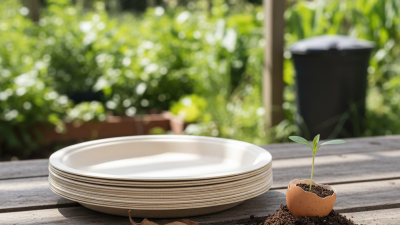
Despite these concerns, the benefits of using Eco Friendly Pulp Bowls are significant. They contribute to less plastic pollution. They also help create a greener planet. By opting for these bowls, individuals align daily choices with ecological values. The shift towards sustainable practices starts with small steps, and choosing the right products is one of them.
Definition of Eco Friendly Pulp Bowls and Their Composition
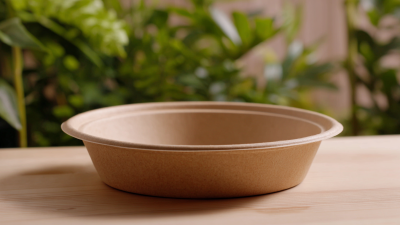
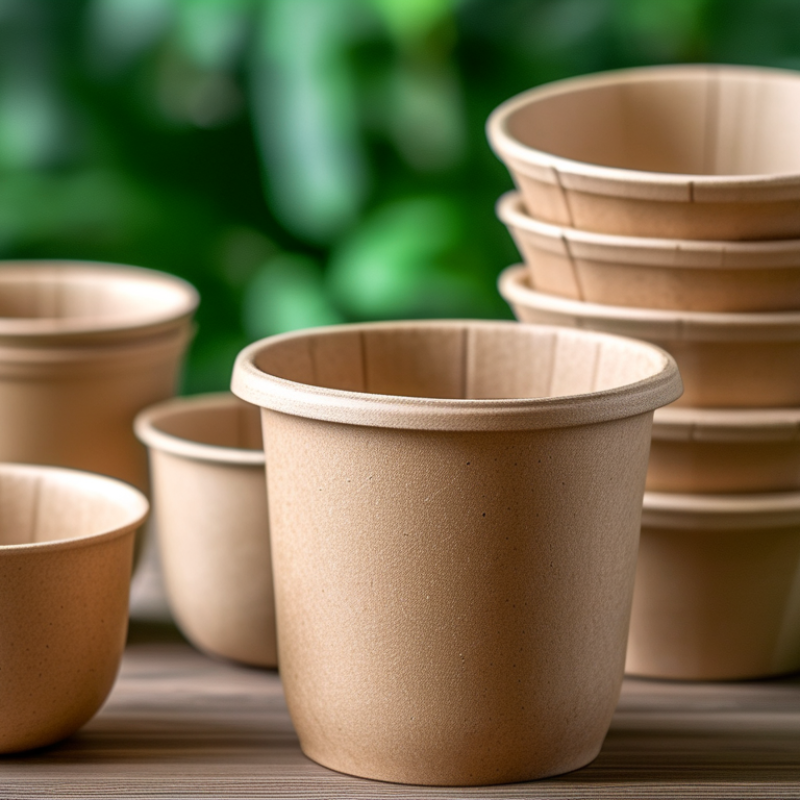
Eco-friendly pulp bowls are crafted from natural materials like recycled paper or plant fibers. These biodegradable products serve as a sustainable alternative to plastic. The composition of pulp bowls often includes sugarcane bagasse, wheat straw, or bamboo, which are renewable resources. This makes them an attractive option for environmentally conscious consumers.
Using pulp bowls helps reduce plastic waste. They break down in compost facilities within months. This contributes to a circular economy, where waste is minimized. Tips when using these bowls include checking for certifications. Authentic eco-friendly products often display biodegradable or compostable labels. It’s essential to ensure your choices genuinely support sustainability.
While pulp bowls are an excellent choice, some users might find them less durable than plastic. They are designed for single-use or limited use, which can lead to second thoughts about their longevity. Consider layering them with parchment paper for greasy foods. This could enhance their usability while maintaining eco-friendliness. However, creating awareness around their limits is crucial in making mindful choices.
Key Characteristics That Differentiate Eco Friendly Pulp Bowls
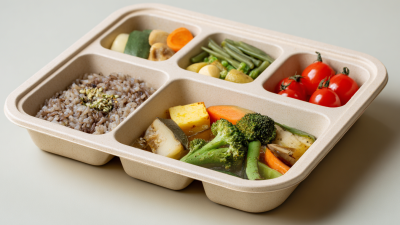
Eco-friendly pulp bowls are made from natural materials, primarily recycled paper pulp. They are designed to be biodegradable and compostable, breaking down naturally instead of contributing to landfill waste. These bowls are lightweight but durable, making them ideal for various food types. They can handle both hot and cold dishes, thus ensuring versatility.
One key characteristic of eco-friendly pulp bowls is their manufacturing process. They are created using minimal energy, reducing their carbon footprint. Additionally, these bowls are often treated with natural coatings, making them safe for food contact. However, it’s essential to recognize that the quality can vary between products. Not all pulp bowls perform equally under different conditions. Some may not withstand liquid for long periods or during high temperatures.
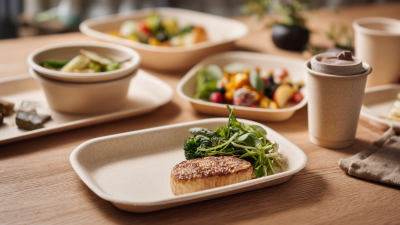
Another aspect to consider is their design. Many eco-friendly pulp bowls come in aesthetically pleasing looks. This adds value for consumers who care about presentation. However, achieving a balance between sustainability and style can be challenging. While some designs may prioritize form over function, others manage to encapsulate both effectively. It’s important to research before making a choice, ensuring that both sustainability and practicality meet your needs.
Environmental Benefits of Using Eco Friendly Pulp Bowls
Eco-friendly pulp bowls offer significant environmental benefits. Made from natural materials like recycled paper or agricultural waste, these bowls are biodegradable. Unlike traditional plastic, they break down naturally without releasing harmful chemicals. This process helps reduce landfill waste and pollution, fostering a healthier planet.
Using eco-friendly pulp bowls encourages sustainable practices. They are compostable, making it easier for consumers to dispose of them responsibly. Switching to these bowls can drastically cut down on single-use plastics, which contribute to ocean pollution. The reduction in plastic usage is vital for marine life, as it prevents harmful ingestion and entanglement incidents.
However, there are challenges to adopting eco-friendly options. Availability in different regions may be limited, impacting consumer choices. Additionally, some may question the durability compared to plastic. While they may not withstand extreme temperatures as well, their overall environmental impact outweighs these drawbacks. Reflecting on our choices can lead to better habits and a commitment to sustainability.
What is an Eco Friendly Pulp Bowl and Its Benefits? - Environmental Benefits of Using Eco Friendly Pulp Bowls
| Dimension |
Data |
| Material Used |
Recycled Paper Pulp |
| Biodegradation Time |
60-90 days |
| Compostable |
Yes |
| Renewable Resource |
Yes |
| Chemical Usage |
Minimal |
| Recyclability |
Yes |
| Usage Category |
Food Service |
| Cost Comparison |
Competitive with Plastic |
Comparative Analysis: Eco Friendly Pulp Bowls vs. Traditional Bowls
Eco-friendly pulp bowls are becoming increasingly popular due to their sustainability. Unlike traditional plastic bowls, these pulp bowls are made from recycled materials. They biodegrade within 90 to 180 days, significantly reducing landfill waste. A report from the Environmental Protection Agency shows that plastic waste contributes to over 27 million tons in landfills annually.
In contrast, traditional bowls often rely on non-renewable resources. Many are made from styrofoam or plastic, both of which can take hundreds of years to decompose. According to data from the World Economic Forum, if left unchecked, plastic production could account for up to 20% of the global carbon budget by 2030. This environmental impact raises serious concerns about our ongoing reliance on conventional materials.
Pulp bowls offer compostability, making them suitable for food waste disposal. However, one must consider their durability. While they perform well for light to medium-weight foods, heavier dishes might pose challenges. Additionally, some consumers question their microwave safety. The need for more research in this area is evident, as some pulp bowls may not withstand high temperatures. Thus, while they are a greener option, there remains room for improvement.
Comparative Analysis: Eco Friendly Pulp Bowls vs. Traditional Bowls
Applications and Uses of Eco Friendly Pulp Bowls in Various Industries
Eco-friendly pulp bowls are increasingly utilized across various industries. They provide sustainable alternatives to traditional plastic and Styrofoam options. According to a report by the Fortified Research Institute, the eco-friendly disposable tableware market is expected to grow by 5% annually through 2025. This indicates a strong shift towards environmentally conscious materials.
Restaurants and catering services often choose these bowls for their disposability and biodegradability. Events like outdoor festivals and food markets benefit from the lightweight and sturdy nature of these bowls. In addition, recent surveys show that 70% of consumers prefer dining establishments that use sustainable packaging. This shows how businesses can attract eco-conscious customers by making green choices.
Despite their advantages, challenges exist. Cost can be a factor for some businesses, as eco-friendly materials can be pricier than conventional options. Not all pulp bowls are created equal, and varying quality can affect customer experiences. Ongoing research and development may lead to better solutions, ensuring that sustainable options remain accessible to all businesses without compromising quality.