How to Choose the Best Degradable Tray for Your Needs?
Selecting the right Degradable Tray can have a significant impact on your sustainability goals. The global market for degradable packaging is projected to reach $564.4 million by 2025, according to a recent report by Smithers Pira. With increasing environmental concerns, businesses are compelled to make smarter choices about packaging. An industry expert, Dr. Emily Zhao, emphasizes, "Choosing the right degradable materials can enhance both brand image and environmental responsibility."
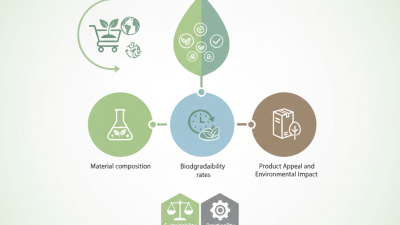
Understanding the various types of degradable trays is essential. They differ in material composition, degradation rates, and intended uses. For instance, PLA trays are popular due to their biodegradability and compostability. However, not all degradable options perform consistently under different conditions. Businesses should evaluate performance in real-world scenarios, as research shows that not all "degradable" labels guarantee complete environmental safety.
It’s crucial to reflect on your specific needs when selecting a Degradable Tray. Some trays may not break down effectively in typical landfill environments. The perfect choice balances functionality and environmental benefits while being mindful of long-term impacts. A well-informed decision can lead to better outcomes for both your business and the planet.
Understanding Degradable Trays: Types and Materials Available
Degradable trays are essential for many businesses. These trays can help reduce plastic waste. They come in various materials and types. Understanding these options is crucial for making an informed choice.
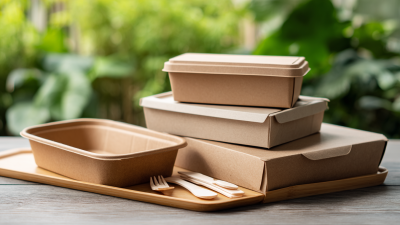
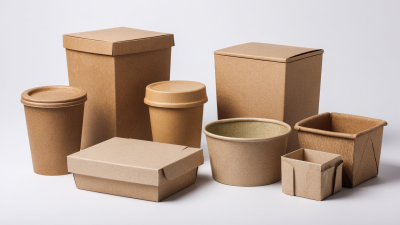
Popular materials for degradable trays include bioplastics, molded fiber, and paper. Bioplastics, derived from renewable resources, degrade within a few years. Molded fiber products offer sturdiness and biodegradability. Paper trays, while often less durable, are easily recyclable. According to recent industry reports, the global bioplastics market is projected to reach $44 billion by 2028. This growth reflects the shift towards sustainable alternatives.
When selecting degradable trays, consider environmental impact and usability. Not all "biodegradable" labels guarantee complete degradation. Some materials may break down slowly in landfills. Businesses should research certifications to ensure authenticity. Knowing the specific degradation timeline is vital. A tray that degrades too slowly defeats its purpose. This makes careful analysis essential for both consumers and businesses aiming for sustainability.
Factors to Consider When Choosing a Degradable Tray
When choosing a degradable tray, it's essential to consider several factors to match your specific needs.
Material selection plays a critical role. Many degradable trays use PLA (polylactic acid) or other bio-based materials. According to recent industry reports, PLA items can decompose within 2-3 months under composting conditions. This highlights their potential for reducing landfill waste.
Another important aspect is the tray's intended use. For food packaging, ensure that the product complies with safety regulations. Some materials might not be suitable for hot foods or liquids. The US Biodegradable Products Institute states that 30% of consumers seek environmentally friendly packaging, emphasizing the need for options that align with sustainability goals.
Weight-bearing capacity cannot be overlooked. Some trays may buckle under heavier items, leading to spills and waste. Testing the product under actual conditions helps gauge its performance.
Despite advancements, sustainability can come with trade-offs, prompting businesses to balance material choices with functionality. Addressing these details will lead to better decision-making for both consumers and retailers.
Evaluating Environmental Impact and Sustainability of Trays
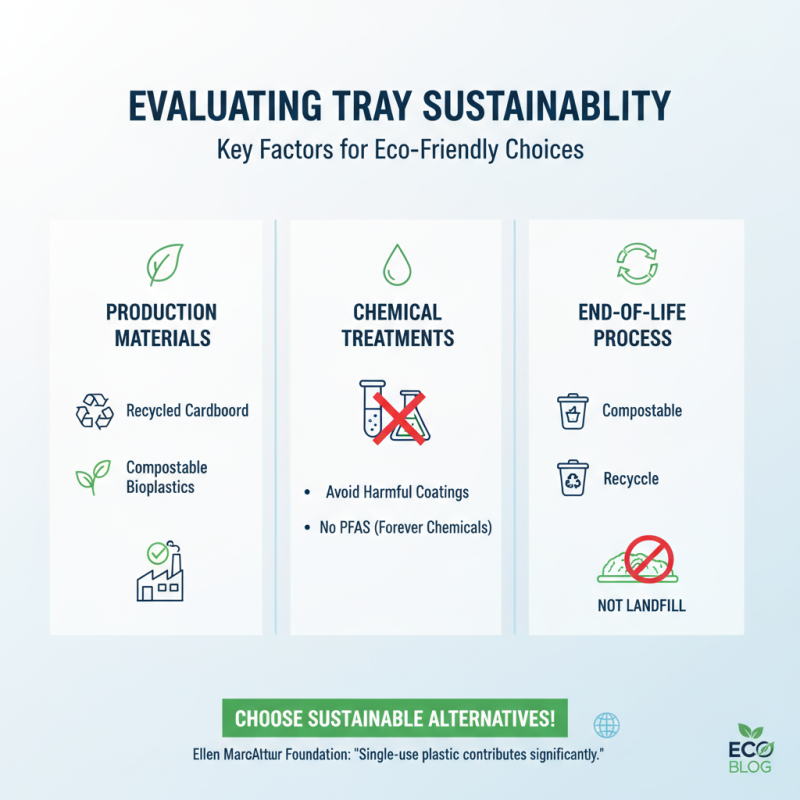
When choosing a degradable tray, it's essential to assess its environmental impact. The production materials, chemical treatments, and end-of-life processes matter. A study by the Ellen MacArthur Foundation reveals that single-use plastic contributes significantly to environmental degradation. This highlights the urgency of opting for sustainable alternatives.
Trays made from plant-based materials, such as cornstarch or sugarcane, often promise better biodegradability. These materials can decompose within 90 to 180 days in a composting environment. However, not all products marketed as degradable breakdown effectively in natural settings. Research indicates that certain bioplastics remain intact in landfills for years. This calls for critical scrutiny of product labels and certifications.
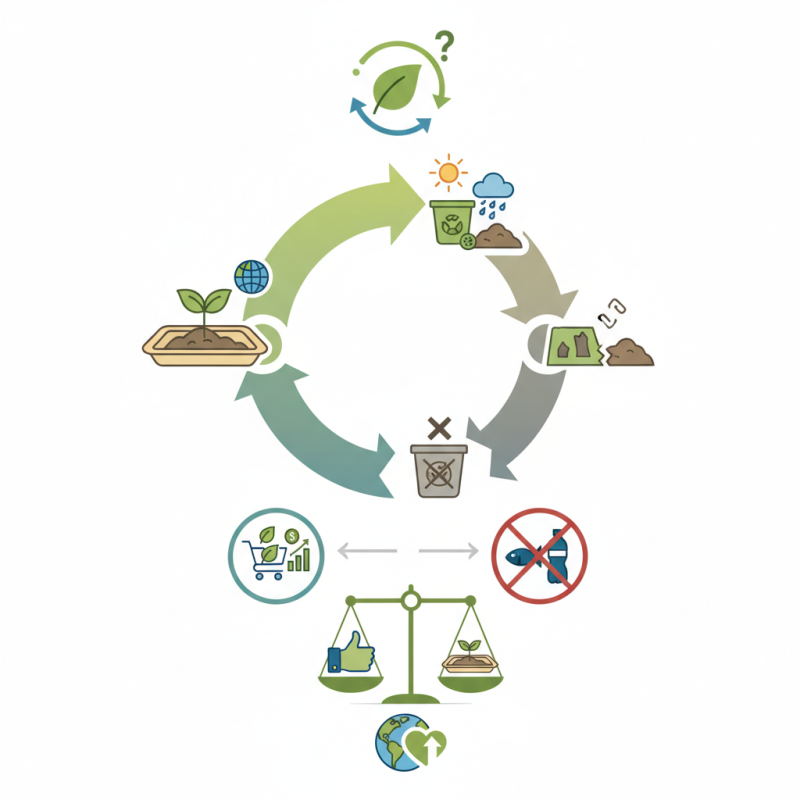
The balance between functionality and sustainability is delicate. Some degradable trays may not provide the strength or moisture resistance needed for specific applications. Developing a deeper understanding of these trade-offs is vital. It’s essential to weigh the benefits of using eco-friendly products against their practical performance in everyday use.
Cost vs. Benefit: Analyzing Price Points of Degradable Trays
When selecting degradable trays, understanding cost versus benefit is crucial. A recent industry report highlights that prices for degradable trays can range from $0.30 to $1.00 per unit, depending on materials and design. Biodegradable options tend to be on the higher end of this spectrum. Although the initial cost appears steep, long-term benefits may offset this expense.
Analyzing the financial aspect reveals interesting insights. Companies using degradable trays can enhance their brand image. Research indicates that consumers are willing to pay 10-20% more for eco-friendly products. This consumer trend shows growing demand for sustainability. However, some businesses may overlook hidden costs, such as waste management fees associated with non-degradable materials.
It's vital to consider the lifecycle of these trays. While degradable trays may decompose faster, their durability could be compromised. A report from the Green Packaging Association stated that some trays break down too quickly during transportation. This leads to increased product losses and waste. Reflecting on these factors can aid in making informed choices for responsible sourcing.
Cost vs. Benefit: Analyzing Price Points of Degradable Trays
Use Cases: Selecting the Right Tray for Specific Needs
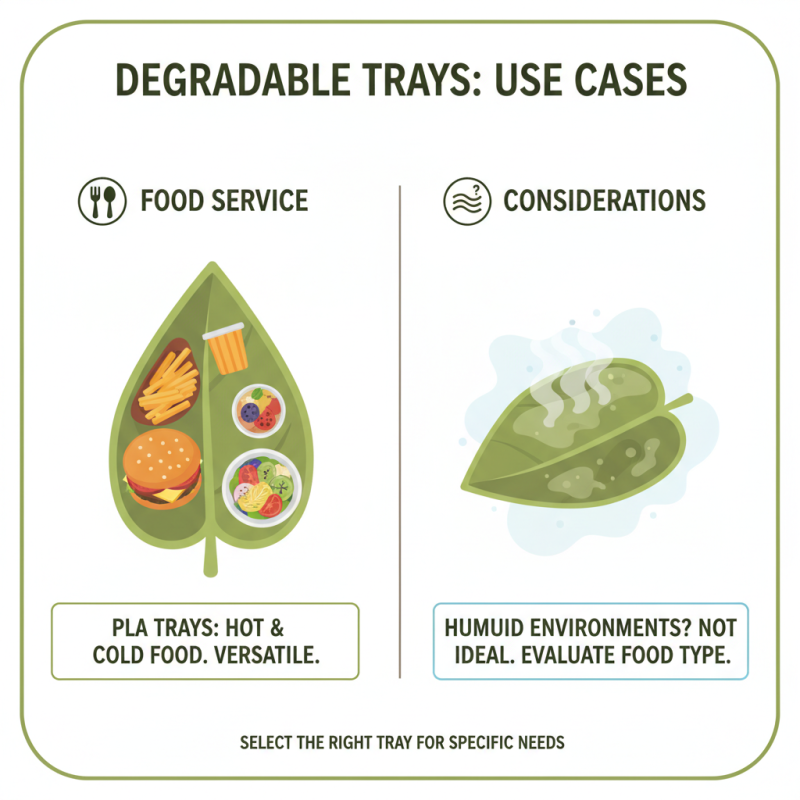
When selecting a degradable tray, it's crucial to consider specific use cases. For food service, trays made from PLA (polylactic acid) can be an excellent choice. They can hold hot and cold items, offering versatility. However, they might not hold up as well in highly humid environments. Consider the nature of your food products carefully.
For packaging items, trays with a sturdy design are needed. Trays made from cardboard or bagasse are ideal because they are lightweight. Yet, they may not provide the same water resistance as plastic counterparts. This aspect is vital for products that are sensitive to moisture. Evaluating your environmental conditions can help in making informed decisions.
Be mindful of the material properties. Some degradable trays break down faster than others. For example, trays made from sugarcane may seem cost-effective, but they might not be as durable. Reflecting on their intended lifespan is essential. The right degradable tray should align with your specific needs while promoting sustainability.