How to Choose the Best Biodegradable Disposable Plates for Your Events
In recent years, the demand for sustainable products has surged, particularly in the event planning industry, where eco-friendly solutions are becoming a priority. According to a report by Smithers Pira, the global demand for biodegradable disposable plates is projected to grow significantly, with the market expected to reach over $3 billion by 2025. As environmental awareness continues to rise, more event organizers are seeking to reduce their carbon footprint and minimize waste by incorporating Biodegradable Disposable Plates into their catering options. These plates, made from organic materials that decompose naturally, not only offer a responsible alternative to traditional plastic and Styrofoam but also align with consumers' increasing preference for sustainable products. Understanding how to choose the best Biodegradable Disposable Plates for your events can enhance guest experience while fostering a commitment to environmental stewardship, making it a crucial consideration for modern event planning.
Key Factors to Consider When Selecting Biodegradable Disposable Plates
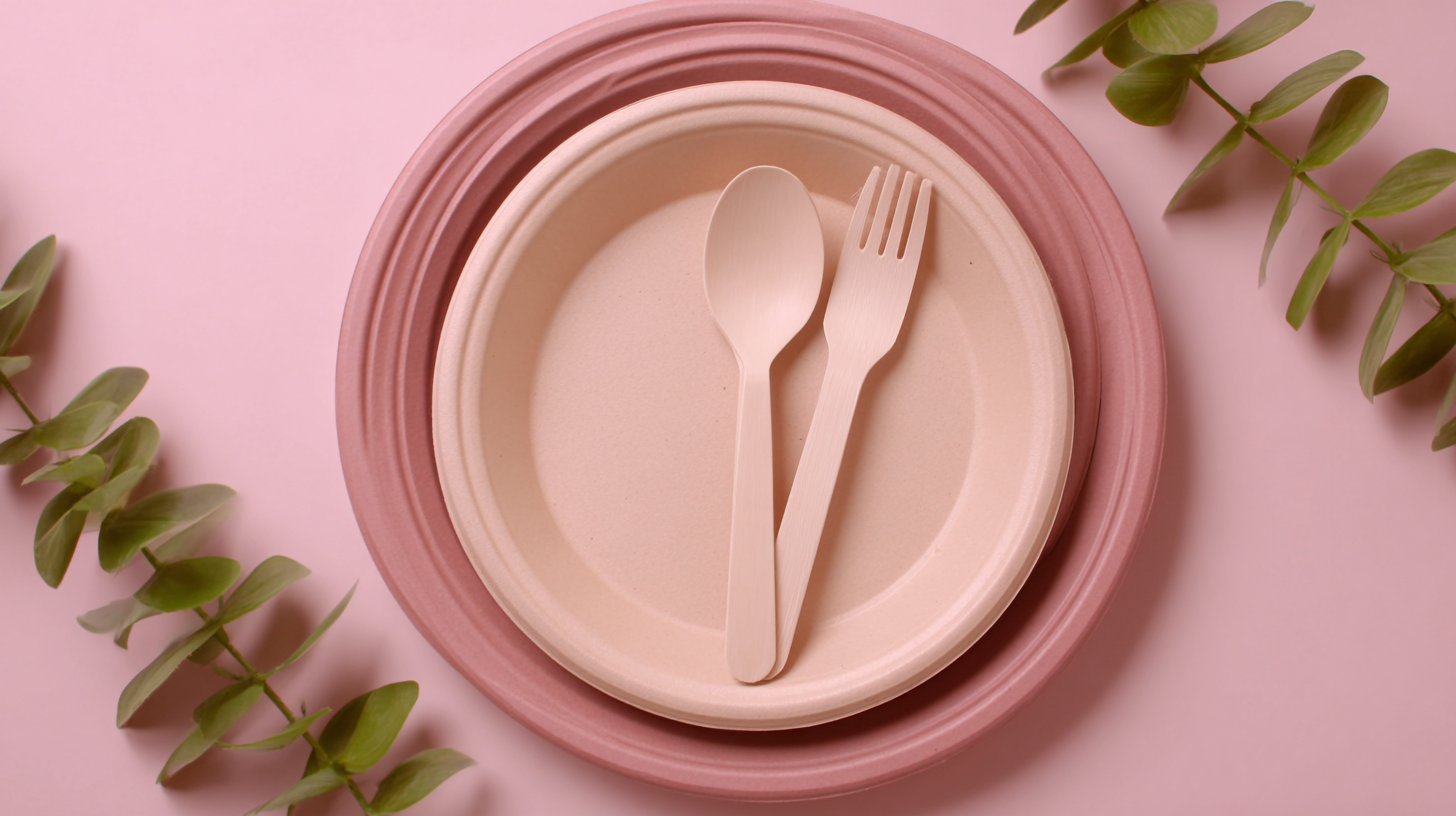
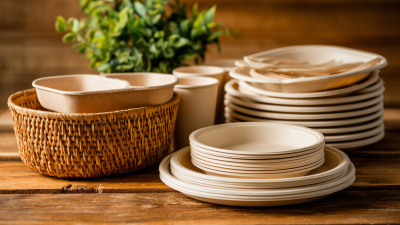
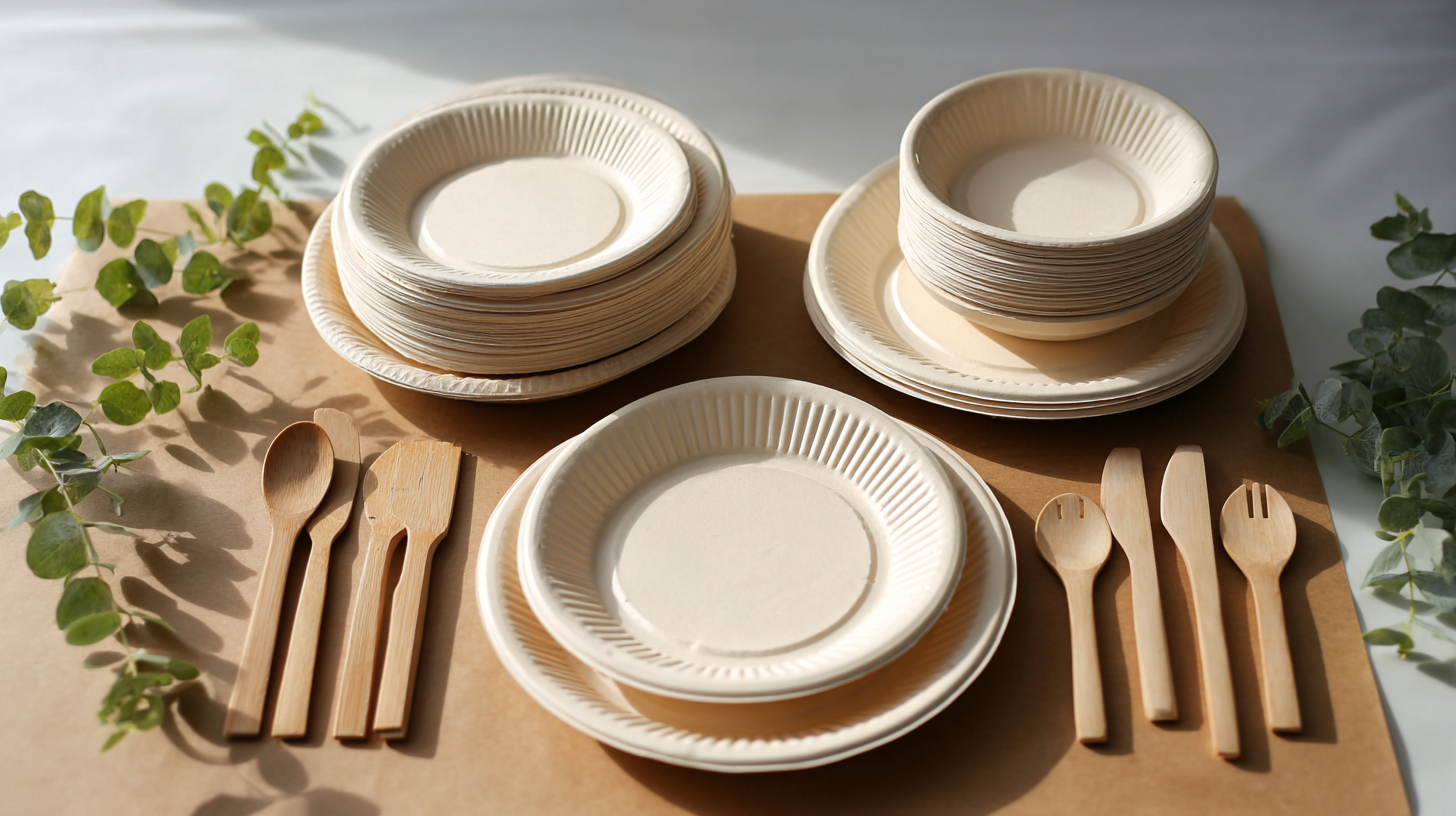
When selecting biodegradable disposable plates for your events, several key factors come into play. First and foremost, it's essential to consider the material from which the plates are made. Areca leaf plates, for instance, are gaining popularity due to their natural composition and compostability. In contrast, plates made from other biodegradable materials, such as sugarcane pulp or bamboo, might offer different strengths and weaknesses in terms of durability and environmental impact.
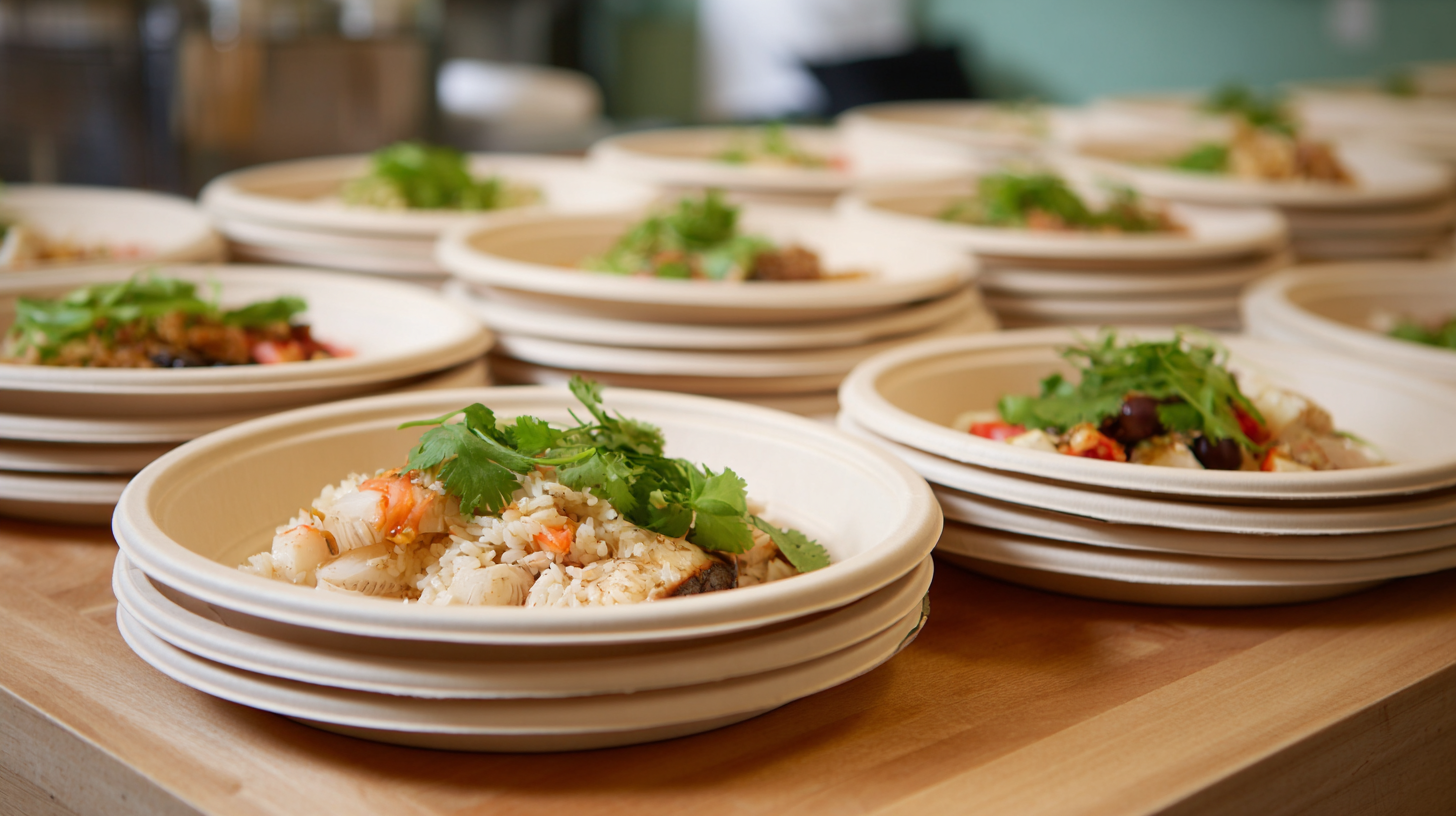
Additionally, functionality should not be overlooked. Consider the type of food being served; heavy or saucy dishes may require sturdier plates to prevent leaks or breakage. Furthermore, visual appeal can enhance the overall dining experience, so opting for aesthetically pleasing designs could elevate your event’s ambiance. Lastly, it's imperative to check for certifications that ensure the products adhere to eco-friendly standards, helping to make an informed and responsible choice for your gathering.
Types of Materials Used in Biodegradable Plates: A Comprehensive Guide
When selecting biodegradable disposable plates for your events, it's essential to understand the different materials available in the market. Each type offers unique advantages and may cater to specific needs based on the nature of your event. One common material is plant-based plastics, often made from cornstarch or sugarcane. These plates are compostable and break down more quickly than traditional plastics, making them a popular eco-friendly choice for catering and picnics.
Another widely used material is palm leaf, which offers a rustic aesthetic and excellent sturdiness. These plates are made from naturally fallen leaves, ensuring that no trees are cut down in the process. They are microwave-safe, biodegradable, and resistant to leaking, making them ideal for serving wet or oily foods. Additionally, there are options like bamboo plates, which are lightweight yet durable, providing an elegant touch for formal events. Understanding these materials will help you choose the best biodegradable plates to align with your event's theme and sustainability goals.
Types of Biodegradable Materials Used in Disposable Plates
Assessing Durability and Strength of Biodegradable Disposable Plates for Events
When selecting biodegradable disposable plates for your events, assessing their durability and strength is paramount. Biodegradable plates are often made from materials like sugarcane, bamboo, or palm leaves, and their structural integrity can vary significantly based on the manufacturing process and material composition. It is essential to choose plates that not only resist bending or breaking under the weight of food but also maintain their shape when exposed to sauces and liquids.
To evaluate the strength of these plates, consider conducting a simple test: stack them with similar weights of food items to observe any signs of sagging or leakage. Additionally, look for certifications or manufacturer reviews that indicate the product's capacity to withstand both hot and cold items. By paying attention to these factors, you can ensure that your chosen biodegradable plates will effectively support your meal offerings while aligning with your sustainability goals.
Eco-Friendly Certifications: What to Look for in Biodegradable Plate Products
When selecting biodegradable disposable plates for your events, it is crucial to consider eco-friendly certifications that ensure the product has been tested and proven to break down effectively in composting environments. Look for certifications from recognized organizations that verify the product's compostability under commercial conditions. This can help distinguish genuine biodegradable options from products that may not decompose fully, contributing to environmental waste rather than alleviating it.
Another aspect to examine is the material used in the production of these plates. For instance, sugarcane bagasse is a popular eco-friendly option due to its compostable nature and availability from sustainable sources. Be mindful of any claims such as "compostable" or "biodegradable" that may not hold up under real-world conditions, as consumers often encounter various terms that lack regulation. Understanding these certifications and the materials can guide you in making informed choices that support sustainability and reduce plastic waste effectively at your gatherings.
How to Choose the Best Biodegradable Disposable Plates for Your Events
| Criteria |
Best Practices |
Eco-Friendly Certifications |
| Material Type |
Choose plates made from renewable resources like sugarcane, bamboo, or palm leaves. |
Look for certifications like BPI (Biodegradable Products Institute) and ASTM D6400. |
| Disposability |
Ensure plates can break down in composting conditions within a reasonable time frame. |
Check for OK Compost certification to verify compostability. |
| Durability |
Select plates that can hold heavy and wet foods without leaking or breaking. |
Ensure the product meets standards for performance under food-service conditions. |
| Size Options |
Offer a range of sizes from appetizers to dinner plates for versatility. |
Verify that sizing is appropriate for meal types and event requirements. |
| Cost-Effectiveness |
Compare prices to find a balance between cost and quality. |
Consider bulk purchasing options to reduce costs while supporting eco-friendly products. |
Budgeting for Biodegradable Disposable Plates: Balancing Cost and Sustainability
When planning an event, choosing biodegradable disposable plates can be a balancing act between budget and environmental considerations. According to the Biodegradable Products Institute, the market for biodegradable products is growing rapidly, expected to reach $18.9 billion by 2025. However, while these eco-friendly options may seem pricier upfront—often 20-30% more than their traditional counterparts—considering long-term benefits can make them a wise investment. Reducing waste can significantly decrease disposal costs and enhance your event’s appeal to increasingly eco-conscious guests.
Tips: When selecting biodegradable plates, investigate bulk purchasing options from manufacturers committed to sustainability, as they may offer better rates. Additionally, consider the overall cost of waste management; investing slightly more in eco-friendly products can lead to savings in trash disposal fees.
Many manufacturers provide detailed life cycle assessments that can help in evaluating the environmental impact of their products. Utilizing resources like the Ellen MacArthur Foundation's reports on circular economy practices could illuminate the benefits of investing in biodegradable options. By carefully balancing your budget with the potential for sustainable benefits, you facilitate a greener event without compromising on quality or aesthetics.