10 Tips for Choosing Sugarcane Pulp Tableware for Sustainable Dining
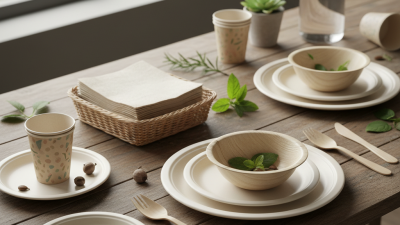
In our quest for sustainable dining, choosing the right tableware is essential. Sugarcane Pulp Tableware serves as a viable alternative to traditional plastic products. Made from renewable resources, this eco-friendly option is both biodegradable and compostable. As more consumers seek to reduce their environmental footprint, understanding the benefits and considerations of sugarcane pulp is crucial.
When selecting Sugarcane Pulp Tableware, a few factors come into play. The durability of the products can vary significantly. Some items may not hold up as well as others. Scrutinizing the quality is important. Additionally, consider the design and usability. This can impact your dining experience.
Despite the advantages, not all sugarcane products are created equal. Some may lack strength or elegance. It’s vital to research reputable brands that prioritize sustainability and quality. Making an informed choice can enhance your commitment to eco-friendly dining while ensuring a pleasant meal experience.
Understanding Sugarcane Pulp: An Eco-Friendly Alternative to Plastic
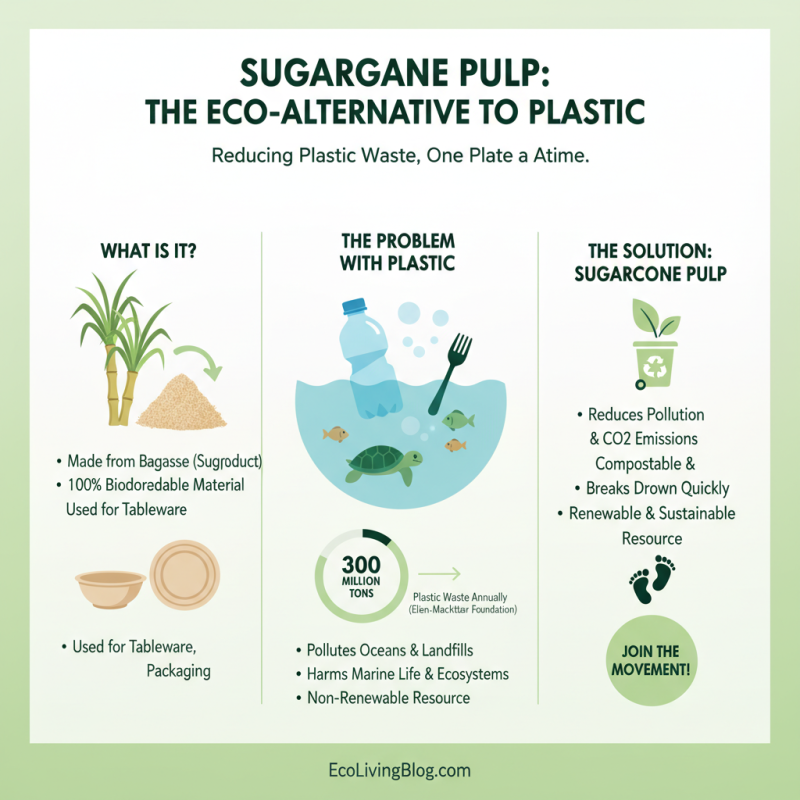
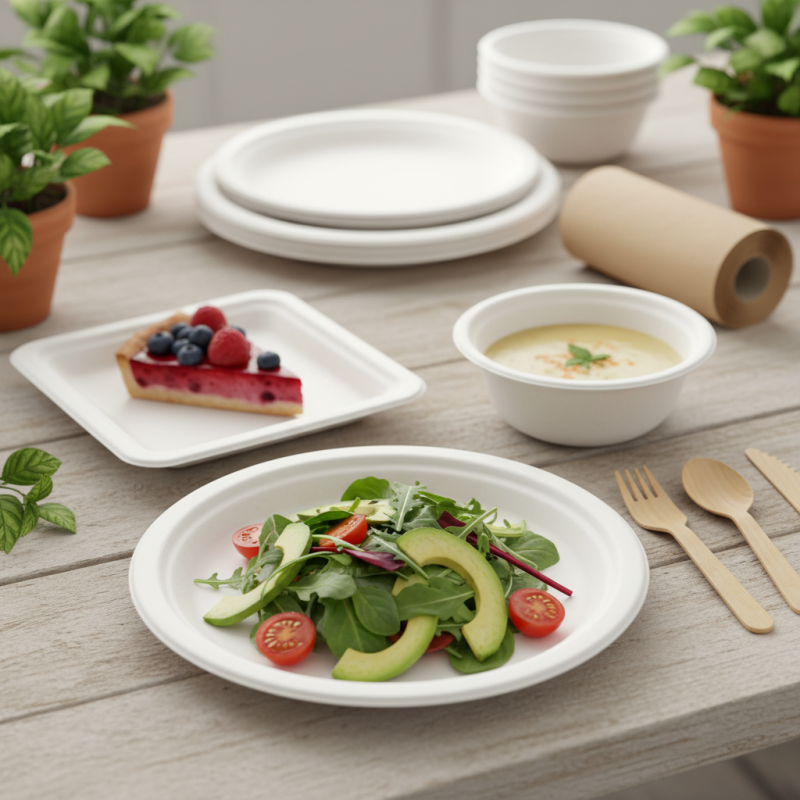
Sugarcane pulp has emerged as a leading eco-friendly alternative to plastic tableware. This biodegradable material is derived from bagasse, a byproduct of sugar production. According to a study by the Ellen MacArthur Foundation, over 300 million tons of plastic waste are produced each year. This pollution severely impacts marine life and ecosystems. Switching to sugarcane pulp can significantly reduce this environmental footprint.
When choosing sugarcane pulp tableware, consider sustainability certifications. This ensures that the products meet environmental standards. Look for compostability labels that indicate the tableware will break down naturally. According to a report by the Biodegradable Products Institute, compostable materials can decompose within 90 to 180 days in the right conditions.
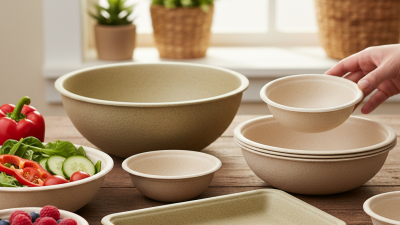
Another tip is to assess the durability of the products. Some sugarcane pulp items are sturdier than others. It's crucial to select those that can hold up during use. Remember, not all tableware is created equal; investing in high-quality options will improve the dining experience. Materials should be safe for food contact and able to withstand heat.
Integrating sugarcane pulp tableware into dining will foster a more sustainable lifestyle. It presents an opportunity to reduce reliance on plastics while promoting environmental health. Sustainability in dining is not only essential but possible with informed choices.
Evaluating the Production Process of Sugarcane Pulp Tableware
When evaluating the production process of sugarcane pulp tableware, several critical factors should be considered. The sourcing of raw materials is paramount. Sustainable practices should be employed in harvesting sugarcane. Poor agricultural methods can lead to deforestation and soil depletion. It's important to choose manufacturers that prioritize eco-friendly farming practices.
The manufacturing process itself offers insights into sustainability. High-energy usage and harmful chemicals may indicate a lack of commitment to environmentally friendly production. Check if the production involves bleaching agents or toxic dyes. Natural, unprocessed tableware with minimal additives is preferable.
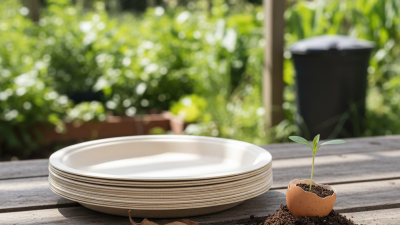
Lastly, consider the end-of-life for the products. Biodegradability is key in reducing landfill waste. How quickly will the tableware decompose? Ask manufacturers for information on compostability. Transparency is essential. If a company hesitates to provide details about their process, it might raise concerns. These reflections can guide informed choices that contribute to a more sustainable dining experience.
Key Features to Look for When Selecting Sugarcane Pulp Products
When selecting sugarcane pulp tableware, it's crucial to look for specific features that enhance sustainability. The strength and durability of the product are primary considerations. Sugarcane pulp is known for its robustness, making it suitable for various food types. According to industry reports, these products can withstand temperatures up to 200°F, making them ideal for hot meals and beverages.
Additionally, consider the biodegradability of the tableware. A report by the Environmental Protection Agency (EPA) states that sugarcane pulp biodegrades within 90 to 180 days in composting conditions. This quick decomposition is beneficial for reducing landfill waste. Look for certifications that confirm the biodegradability of the products, as it increases their credibility.
Packaging is another important aspect. Eco-friendly packaging materials help reinforce the overall sustainability of sugarcane pulp products. Excessive packaging can counteract the benefits of using a biodegradable product. It's worth noting that some manufacturers still use plastic wraps or non-recyclable materials. Therefore, always check for transparency from the provider regarding their packaging practices. Balancing all these factors can lead to better choices for sustainable dining.
Assessing Biodegradability and Compostability of Tableware Options
When choosing sugarcane pulp tableware, it’s essential to assess its biodegradability and compostability. These two factors determine how quickly and effectively the products decompose after use. Biodegradable materials break down naturally, often through microbial action. In contrast, compostable items return nutrients back to the soil, enhancing plant growth. It’s important to differentiate between the two, as not all biodegradable items are compostable.
Look for certifications that assure the product meets compostability standards. ASTM D6400 or EN 13432 are examples of recognized certifications. These ensure that the materials will decompose within a specific time frame under composting conditions. Consider the specific environment where you plan to compost. Will it be in a home compost setup or an industrial facility? Each setting has different temperature and moisture conditions that affect decomposition.
Despite the benefits of sugarcane pulp tableware, there are still challenges. Some products may require optimal conditions to break down properly. Additionally, excessive additives can hinder biodegradability. Not all consumers realize this complexity. Awareness and understanding are critical for making informed choices. The journey toward sustainable dining requires commitment and a willingness to learn.
Cost Considerations: Finding Affordable Sugarcane Pulp Tableware Solutions
When exploring sugarcane pulp tableware, cost considerations become paramount. This eco-friendly choice should not strain your budget. Many options offer affordability while supporting sustainability. Look for bulk purchasing options. Buying in larger quantities often lowers the per-unit price, providing better value.
Evaluate local suppliers. They may offer competitive pricing compared to online retail. Don’t overlook clearance sales too. Sometimes, seasonal items can be found at greatly reduced prices. Searching for discounts can lead you to unexpectedly affordable options.
Consider production efficiency. Some manufacturers produce tableware that reduces waste. This can make them less costly in the long run. Always compare different products. Read reviews to ensure quality meets expectations. Sometimes, a lower price might mean sacrificing durability, which could lead to more frequent replacements. Invest wisely.
Balancing cost and sustainability may require some trial and error. Be open to experimenting with various options until you find what works best. This trial phase can be a learning experience.