How to Choose Eco Friendly Pulp Containers for Your Business?
In today's environmentally conscious world, many businesses are seeking sustainable packaging options. Eco Friendly Pulp Containers have emerged as a popular choice. According to Sarah Johnson, a leading expert in sustainable packaging, "Choosing Eco Friendly Pulp Containers is not just a trend; it's a responsibility we share with our planet."
Businesses looking to make a shift need to consider various factors. The materials used in Eco Friendly Pulp Containers are typically biodegradable and compostable, which reduces environmental impact. Moreover, these containers often come from renewable resources, making them an ideal option for eco-minded companies.
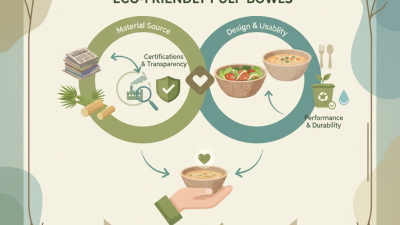
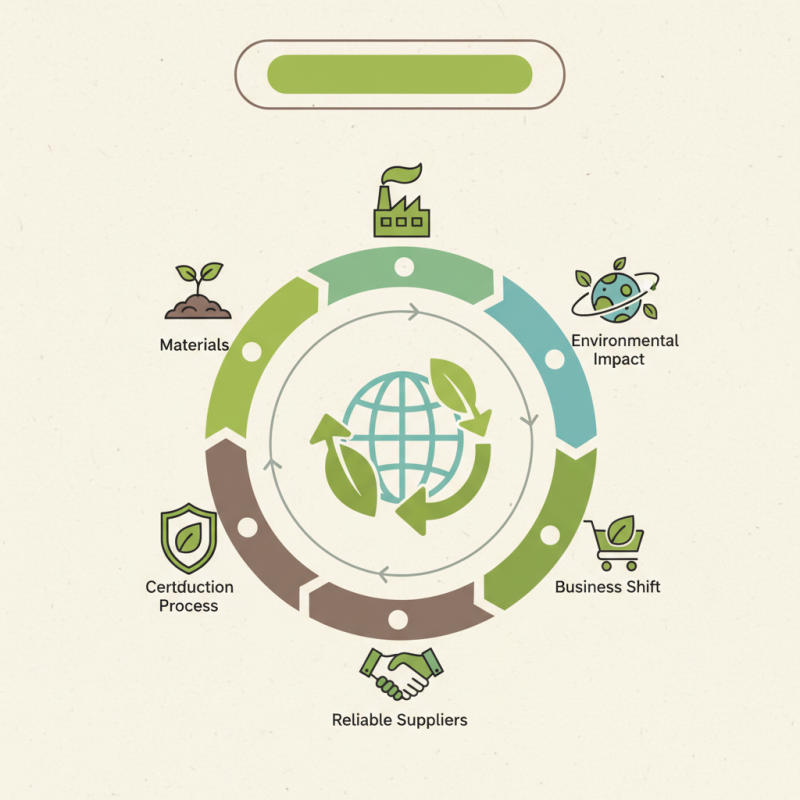
However, not all Eco Friendly Pulp Containers are created equal. It's vital to assess the production processes and certifications that back these products. Transparency in sourcing and manufacturing can greatly influence the effectiveness of sustainable packaging solutions. Engaging with reliable suppliers is crucial to ensure quality and sustainability align with your brand values.
Choosing the Right Eco-Friendly Pulp Materials for Sustainability
Choosing eco-friendly pulp materials is crucial for sustainable business practices. Many businesses struggle to identify the right options. It's essential to consider factors like biodegradability, sourcing, and performance. Pulp containers made from recycled paper or plant fibers can help reduce waste. They break down naturally, enhancing sustainability.
A detailed analysis of material sources is vital. Look for suppliers who prioritize responsible forestry. Certifications can guide your choices. However, some materials might not be as sturdy. Testing prototypes ensures they meet your packaging needs. A balance between durability and ecological impact is key.
It's also important to reflect on consumer perception. Eco-friendly choices may attract environmentally conscious customers. Yet, not all consumers fully understand the benefits of pulp materials. Clear communication about your choices can reinforce trust. Engaging narratives about sustainability help bridge this gap. Building credibility in your eco-friendly initiatives requires ongoing effort and transparency.
Eco-Friendly Pulp Container Materials Usage in Businesses
Assessing Biodegradability and Compostability in Pulp Container Options
When selecting eco-friendly pulp containers, assessing biodegradability and compostability is crucial. Not all materials labeled as "biodegradable" behave the same way. You need to consider how they break down in various environments. Compostable options should decompose within 90 days in industrial composting facilities. Look for clear certifications that verify these claims.
Tips: Always check for third-party certifications on packaging. Biodegradable does not equal compostable. Know the difference. Also, consider the end-of-life option for your product. Are users able to compost or recycle the container easily?
Not all pulp containers are created equal. Some may break down but leave harmful residues. Others may require specific conditions to decompose efficiently. Reflect on your supply chain. Are your suppliers committed to sustainable practices? Their reliability impacts your business’s environmental footprint. Make informed decisions for better ecological outcomes.
Evaluating the Life Cycle of Eco-Friendly Pulp Containers
When evaluating the life cycle of eco-friendly pulp containers, several stages are crucial. Start with the raw materials. Sourcing recycled paper or sustainably harvested wood fibers can significantly reduce environmental impact. Assess the processing methods too. Energy-intensive processes may undermine the benefits of using eco-friendly materials. Look for manufacturers that prioritize low-impact production techniques.
Next, consider the usage phase. Eco-friendly pulp containers should effectively serve their intended purpose. This includes moisture resistance and durability. These factors influence customer satisfaction. Explore options for reusable or compostable designs. They can further enhance sustainability over single-use alternatives. All these aspects contribute to a greener business model.
Finally, end-of-life evaluation matters. Proper disposal or composting influences overall environmental benefit. Some pulp containers decompose quickly, reducing landfill impact. However, not all are created equal. It's essential to research biodegradable certifications and local composting facilities. Being informed leads to better choices for the planet. Remember, every decision shapes business and environmental outcomes. Balancing practicality with eco-friendliness is a continuous challenge that requires thoughtful consideration.
Understanding Industry Standards and Certifications for Pulp Packaging
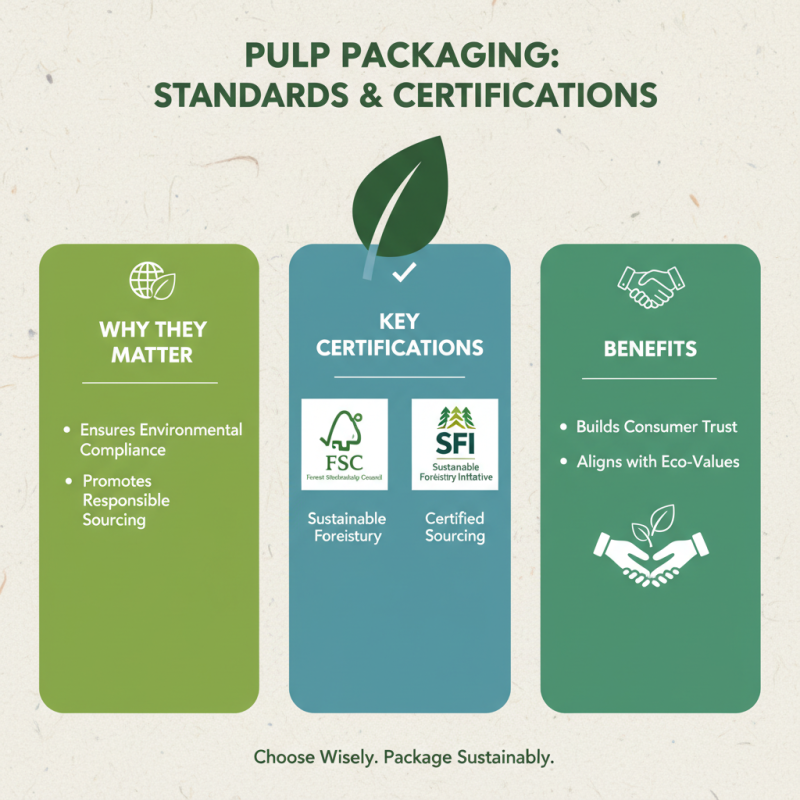
When selecting eco-friendly pulp containers, understanding industry standards and certifications is crucial. These guidelines ensure that packaging meets environmental requirements. Look for certifications like FSC (Forest Stewardship Council) or SFI (Sustainable Forestry Initiative). They indicate responsible sourcing and sustainable practices. Such credentials foster consumer trust and align with eco-conscious values.
Many businesses overlook the importance of certifications. They may focus solely on aesthetics or price. However, this can lead to poor choices. Without proper certification, packaging may not be truly sustainable. This oversight could harm your brand’s reputation over time.
Additionally, various standards exist globally, but not all are universally recognized. Research the certifications that apply to your region. Investigate their significance within specific markets. Companies that prioritize compliance with recognized standards frequently enjoy greater market access. Balancing environmentally-friendly choices and industry requirements can be challenging, yet it is essential for a truly sustainable business model.
Comparing Cost Efficiency and Environmental Impact of Pulp Containers
When selecting eco-friendly pulp containers for your business, considering cost efficiency and environmental impact is crucial. Pulp containers are often made from renewable resources. They decompose naturally, making them an attractive option for environmentally conscious businesses. However, the cost can vary significantly based on material quality, production processes, and supplier pricing.
Many businesses find themselves torn between upfront costs and longer-term benefits. Cheaper options might save money initially but could harm the environment more adversely over time. It's wise to assess the lifecycle cost of containers. This includes disposal and potential environmental penalties for using non-eco-friendly materials.
Moreover, not all pulp containers are created equal. Some may offer better insulation or durability, which can reduce product loss or damage. The impact of shipping logistics also plays a role, as lighter containers can lower transportation costs. Therefore, businesses need to weigh the upfront investment against future savings and environmental responsibility. It's not merely about price — it's about making informed choices that reflect a commitment to sustainability.
How to Choose Eco Friendly Pulp Containers for Your Business? - Comparing Cost Efficiency and Environmental Impact of Pulp Containers
| Container Type |
Cost per Unit ($) |
Material Source |
Recyclability (%) |
Biodegradable (Yes/No) |
| Molded Pulp Container |
0.50 |
Recycled Paper |
100 |
Yes |
| Pulp Tray |
0.30 |
Sustainable Forestry |
90 |
Yes |
| Pulp Cup |
0.45 |
Recycled Fiber |
80 |
Yes |
| Biodegradable Pulp Container |
0.60 |
Agricultural Waste |
100 |
Yes |