2026 How to Choose Eco Friendly Pulp Bowls for Sustainable Living?
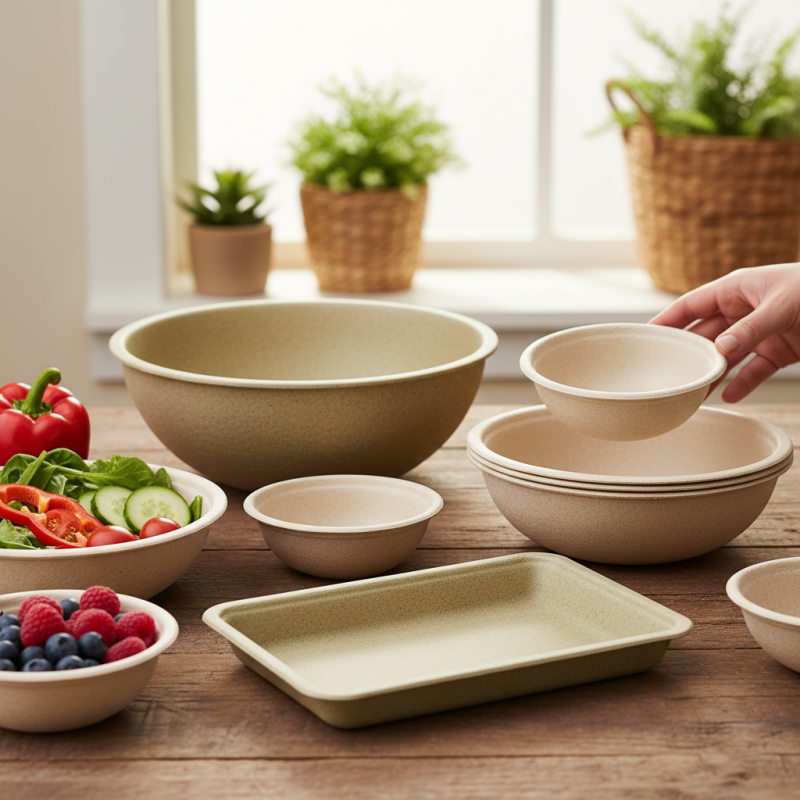
In today’s world, the push for sustainable living has become essential. Eco Friendly Pulp Bowls offer a promising alternative to traditional disposable products. Made from renewable resources, these bowls are biodegradable and reduce plastic waste in our environment.
Choosing the right Eco Friendly Pulp Bowl can be daunting. Different brands offer various styles and quality options. Not every eco-friendly product lives up to its promise. Some may not decompose as expected or might be lined with harmful chemicals. Thorough research is crucial to avoid such pitfalls.
Reflecting on our choices is important. Consumers must ask themselves what impact they want to make. Selecting a truly sustainable bowl might take extra time, but it’s a worthy investment for the planet’s future. By choosing wisely, we contribute to a healthier Earth.
Factors to Consider When Selecting Eco Friendly Pulp Bowls
When selecting eco-friendly pulp bowls, there are several crucial factors to consider. The sustainability of materials is paramount. Many pulp bowls are made from recycled paper or sugarcane bagasse. According to a report by the Sustainable Packaging Coalition, recycled materials can reduce energy consumption by up to 60% compared to virgin materials.
Another factor is biodegradability. Pulp bowls should break down fully in composting facilities. It’s important not to confuse compostable with biodegradable. Some products may degrade, but leave microplastics behind. A recent study highlighted that 45% of consumers are still unaware of such differences.
Packaging also matters. Minimal and recyclable packaging reduces waste. Ensure that suppliers use sustainable practices throughout their supply chain. A report from the Ellen MacArthur Foundation indicates that transitioning to circular packaging could reduce ocean plastic pollution by 55%.
Consider certifications as well. Look for seals from recognized organizations. While they often indicate higher standards, not all certifications are equal. Some may not guarantee sustainability. Consumers must dig deeper to understand what these labels truly represent. Making informed choices benefits both the planet and future generations.
Benefits of Eco Friendly Pulp Bowls for Sustainable Living
Eco-friendly pulp bowls are more than just kitchenware; they represent a commitment to sustainable living. These bowls are made from renewable resources like recycled paper and agricultural byproducts, significantly reducing plastic waste. According to a report from the Ellen MacArthur Foundation, transitioning to biodegradable options can cut down plastic pollution by 60% by 2030.
Choosing pulp bowls can have tangible benefits. They decompose naturally, enriching the soil, which contributes to a healthier ecosystem. Studies show that compostable products can reduce landfill waste by 30%. This shift not only lessens the carbon footprint but also encourages responsible consumption.
Tips: When selecting eco-friendly pulp bowls, check for certifications. Look for bowls that are free from harmful coatings. Consider the size and design; they should meet your needs without excess waste. Reflect on your buying habits and prioritize products that contribute to a sustainable future.
Environmental Impact of Pulp Production Compared to Plastic Alternatives
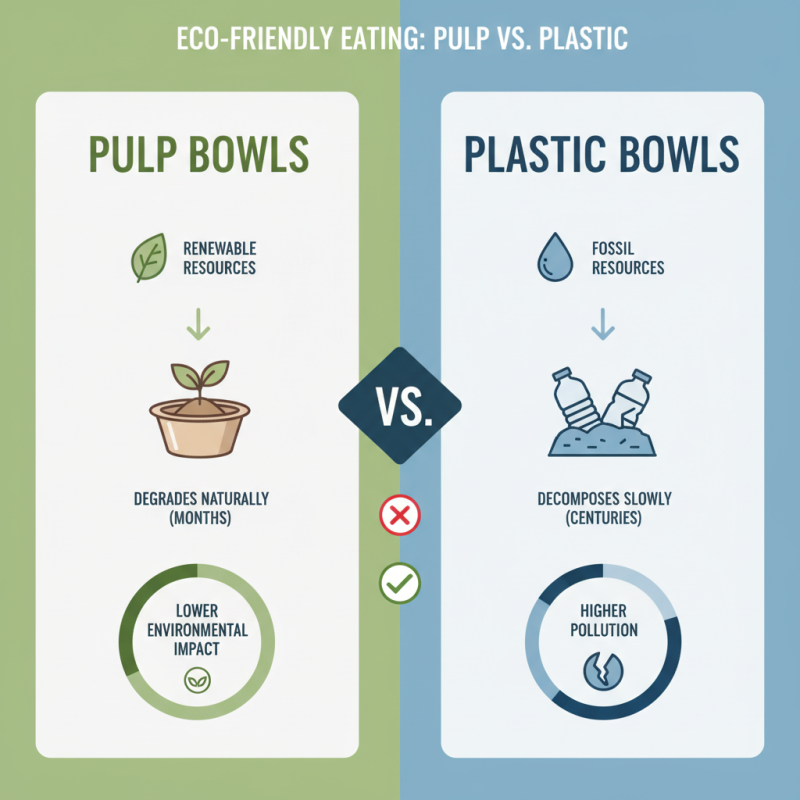
The production of pulp bowls has a significantly lower environmental impact than plastic alternatives. Pulp is made from renewable resources. This means it can degrade naturally over time. In contrast, plastic can take centuries to decompose, causing long-term pollution.
Moreover, the process of creating pulp products generally consumes less energy. It also produces fewer greenhouse gases compared to plastic manufacturing. The harvesting of trees for pulp can be sustainably managed. However, not all companies follow eco-friendly practices. Many use unsustainable sources, which leads to deforestation.
Using eco-friendly pulp bowls can be a step towards sustainable living. However, consumers should research their options carefully. Some products may contain additives that can negate their eco-friendly benefits. The industry is still evolving, and many aspects require consideration. It is important to reflect on the impact of our choices.
Key Certifications and Standards for Eco Friendly Pulp Tableware
When choosing eco-friendly pulp bowls, it's crucial to understand key certifications. Look for the FSC label. This signifies that the wood or paper used comes from sustainably managed forests. It ensures no deforestation and promotes environmental health. Another important certification is compostability. Products claiming this should break down naturally within specific time frames and conditions.
Biodegradable options vary in quality. Not all biodegradable materials decompose at the same rate. Some require industrial composting facilities. Checking for ASTM D6400 or EN 13432 certifications can help. These standards assure that the product meets environmental criteria. It’s also wise to consider the manufacturing process. Some pulp bowls may appear eco-friendly but involve harmful chemicals.
Don’t overlook the packaging. Eco-friendly products may come in non-recyclable wrapping. This can contradict their green intentions. Always opt for products with minimal or biodegradable packaging. In the end, making informed choices is key to fostering sustainable living. It begins with understanding certifications and reflects our commitment to the environment.
2026 How to Choose Eco Friendly Pulp Bowls for Sustainable Living? - Key Certifications and Standards for Eco Friendly Pulp Tableware
| Criterion |
Description |
Standard/Certification |
| Material Source |
Ensure materials are sourced from sustainably managed forests or recycled content. |
FSC Certification |
| Biodegradability |
Products should break down naturally in the environment within a reasonable time frame. |
ASTM D6400 |
| Chemical Safety |
Items should be free from harmful chemicals and additives that can leach into food. |
FDA Food Contact Compliance |
| Energy Consumption |
Manufacturing should use energy-efficient processes and ideally renewable energy sources. |
ISO 50001 |
| Recyclability |
End-of-life management options should include recycling where possible. |
ISO 18601 |
Cost Analysis: Investing in Eco Friendly Pulp Bowls vs. Traditional Options
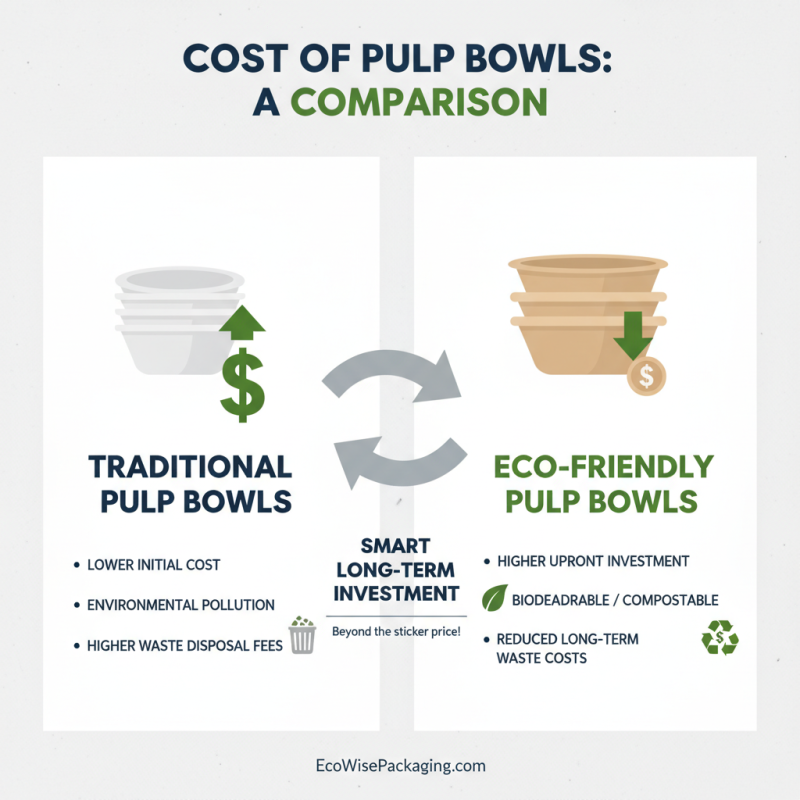
When considering eco-friendly pulp bowls, cost is a primary factor. Traditional options often appear cheaper upfront. However, it’s essential to look beyond the initial price. Eco-friendly bowls can offer a long-term investment. They are biodegradable and reduce environmental impact. This aspect can lead to cost savings in waste management over time.
Tips: Look for bulk purchasing options. They can significantly reduce the per-unit cost. Research the lifespan of these products. Some pulp bowls may not hold up as well as traditional materials. Assessing their durability is key to making an informed decision.
It’s also important to think about usage. If you primarily use bowls for family meals, investing in durable pulp bowls might be worthwhile. However, for one-time events, cheaper alternatives might suffice. Not every green product indicates a substantial savings. Weigh your options and their overall impact before making a purchase.