2026 How to Choose Biodegradable Small Plates for Eco Friendly Events?
Choosing the right biodegradable small plates is crucial for eco-friendly events. In a world increasingly focused on sustainability, these plates offer an alternative to plastic. According to a recent industry report, the biodegradable tableware market is expected to grow significantly, driven by consumer demand for greener solutions.
Expert Dr. Emily Greener, a leading figure in sustainable materials, states, “The right choice of biodegradable small plates can reduce waste and environmental impact.” Her insights highlight the importance of selecting materials that not only decompose but also maintain functional integrity. Many options exist in the market, but not all are created equal.
Attention must be paid to certifications, materials, and local composting capabilities. Some products may claim to be biodegradable but can take years to decompose. An informed choice benefits both the event and the planet. It's essential to assess product life cycles and their end-of-life scenarios, ensuring they truly meet eco-friendly standards.
Understanding Biodegradable Materials: Types and Benefits
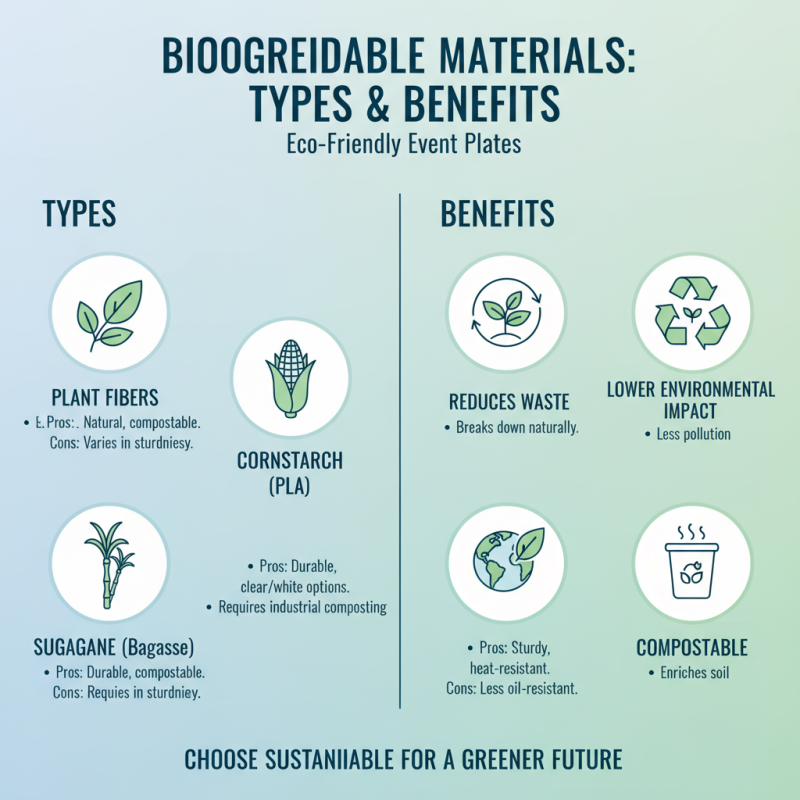
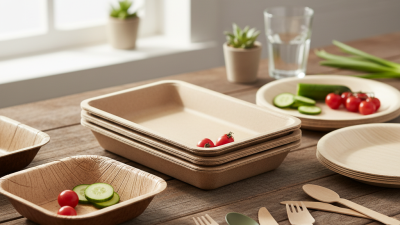
Choosing biodegradable small plates for eco-friendly events requires understanding the materials used. These plates are made from natural substances like plant fibers, cornstarch, or sugarcane. They break down easily in the environment, reducing waste. Each type has its advantages and possible drawbacks. For instance, sugarcane plates are sturdy but might not suit oily foods.
Compostable options also exist. They transform into nutrient-rich compost, aiding soil health. However, proper disposal methods are essential for their effectiveness. If placed in regular trash, they may not decompose as intended. This leads to potential environmental concerns.
Cost can be another concern. Biodegradable plates may be pricier than traditional plastic. This can challenge event planners on a budget. Ultimately, the choice between function and environmental responsibility requires careful thought. Finding a balance between practicality and sustainability can feel overwhelming.
Identifying Sustainable Certifications for Small Plates
When planning eco-friendly events, selecting biodegradable small plates is essential. Sustainable certifications help ensure these products meet environmental standards. Look for certifications like FSC, which indicates responsible sourcing of materials. Another crucial label is BPI, showing that the plates are compostable.
Many small plates claim to be eco-friendly. However, not all are created equal. Some may use plastics that degrade slowly. Always check labels and research the product's lifecycle. Consider the differences between certification claims and marketing terms.
A focus on local sourcing can enhance sustainability too. Plates made from locally sourced materials often have a lower carbon footprint. Remember, not every product will be perfect. It's a learning journey toward more sustainable choices. Each event is an opportunity to grow and improve.
Comparison of Biodegradable Small Plate Materials
Key Features to Consider in Biodegradable Plate Design
Choosing biodegradable small plates for eco-friendly events can be a challenge. Various factors need to be considered. The material of the plates is crucial. Look for options made from plant-based ingredients, like sugarcane or wheat straw. These materials break down naturally and are less harmful to the environment.
Another key feature is the design. Ensure the plates are sturdy enough to hold food without bending or breaking. Plates should have a smooth finish for easy stacking. This design helps save space when storing and transporting.
**Tip:** Check for certifications. Look for labels indicating compostability. This guarantees the plates will break down in composting conditions.
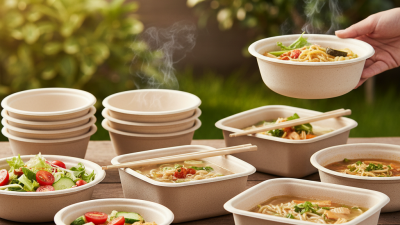
Additionally, consider the size and depth of the plates. Different dishes require different plate designs. Some meals need deeper plates to avoid spills. Think about your menu. Choose plates that match the specific food you plan to serve.
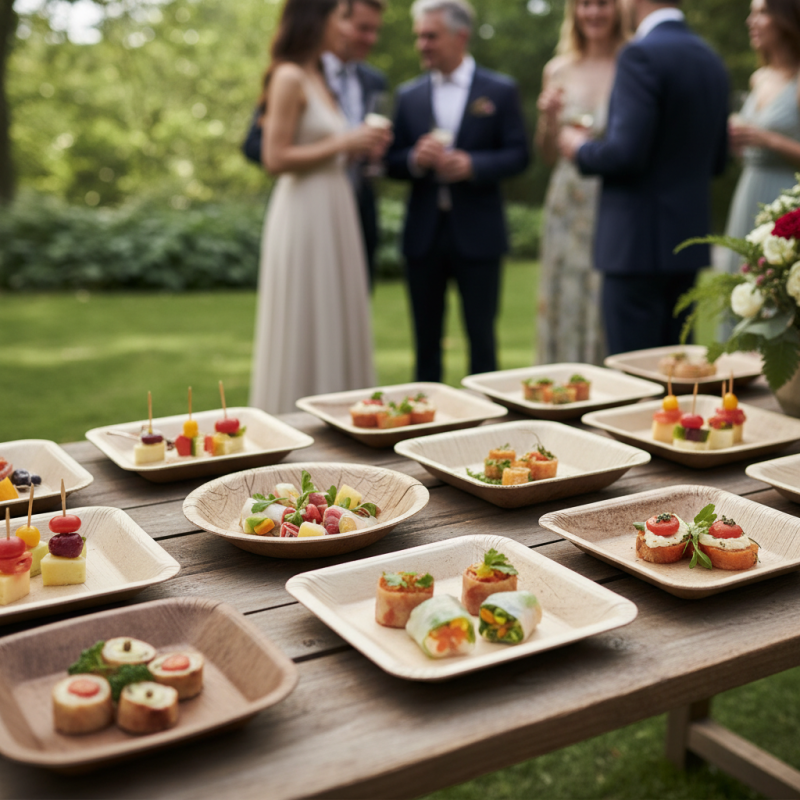
**Tip:** Don't forget about the aesthetic aspect. Plates come in various colors and patterns. Choose designs that complement your event theme.
These choices may feel overwhelming. Always test a few options before making a bulk purchase. This ensures you find the best fit for your eco-friendly event.
Comparing Cost and Performance of Biodegradable Options
When selecting biodegradable small plates for eco-friendly events, considering cost and performance is vital. Price is often a significant factor. Biodegradable options vary in cost, which can impact your overall budget. Some plates made from plant-based materials tend to be more expensive than traditional ones. Performance also matters. A plate that breaks easily may not serve your purpose well, even if it's cheaper.
Tips: Aim to balance both cost and performance. Research materials like sugarcane or bamboo. These may be slightly pricier, but they often provide better durability. Compare different suppliers, as prices can vary widely.
It's essential to evaluate the circumstances of your event. If you’re hosting a large gathering, low-cost plates might seem attractive. Yet, poor performance could lead to a messy situation. Consider conducting a small test. Purchase a few samples and assess their quality. This step can reveal much about their strength and usability.
Another tip: Keep an eye on sustainability certifications. Not all biodegradable products are created equal. Some may decompose faster than others in specific environments. This is crucial for eco-friendly events aiming for genuine impact. Take these factors into account to find the best biodegradable small plates.
2026 How to Choose Biodegradable Small Plates for Eco Friendly Events?
| Material |
Cost per Plate ($) |
Composting Time (Weeks) |
Weight Capacity (lbs) |
Sustainability Certifications |
| PLA (Polylactic Acid) |
0.25 |
12 |
5 |
BPI, ASTM D6400 |
| Sugarcane |
0.30 |
8 |
7 |
BPI, FSC |
| Palm Leaf |
0.40 |
10 |
9 |
FSC, Rainforest Alliance |
| Cornstarch |
0.20 |
14 |
4 |
BPI, OK Compost |
Tips for Sourcing Biodegradable Plates for Events
When sourcing biodegradable small plates for eco-friendly events, understanding materials is crucial. According to a report by the Biodegradable Products Institute, over 30% of worldwide waste comes from single-use plastics. Relying on biodegradable alternatives can significantly reduce this impact. Look for plates made from materials like bamboo, sugarcane fiber, or starch. Each of these options decomposes within 90 to 180 days in commercial composting facilities.
Quality matters when choosing biodegradable plates. Some products may not decompose as promised. A study from the Environmental Protection Agency shows that compostable items often end up in landfills due to improper disposal. Verify certifications before making a purchase. Consider the thickness of the plates, too. Thinner plates may buckle under weight, so choose ones that balance sustainability and durability.
Be mindful of suppliers. Not all vendors uphold the same eco-friendly principles. Research their practices and policies. Some products might be marketed as biodegradable but contain harmful additives. Seek transparency in sourcing. Also, think about cost-effectiveness. Biodegradable plates can be pricier than plastic options. This may require careful budgeting. Communicate these choices to your event attendees. Educating them about the benefits can enhance their experience and commitment to sustainability.