How to Choose Biodegradable Disposable Plates for Your Events?
When planning events, the choice of a Biodegradable Disposable Plate can greatly impact sustainability. Expert John Green, a specialist in eco-friendly materials, states, "Choosing the right plates is critical for reducing waste." His insight captures the essence of responsible event planning.
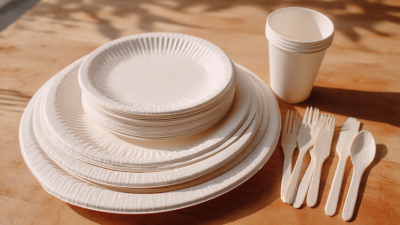
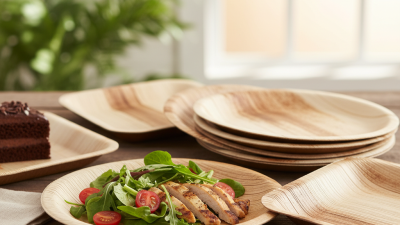
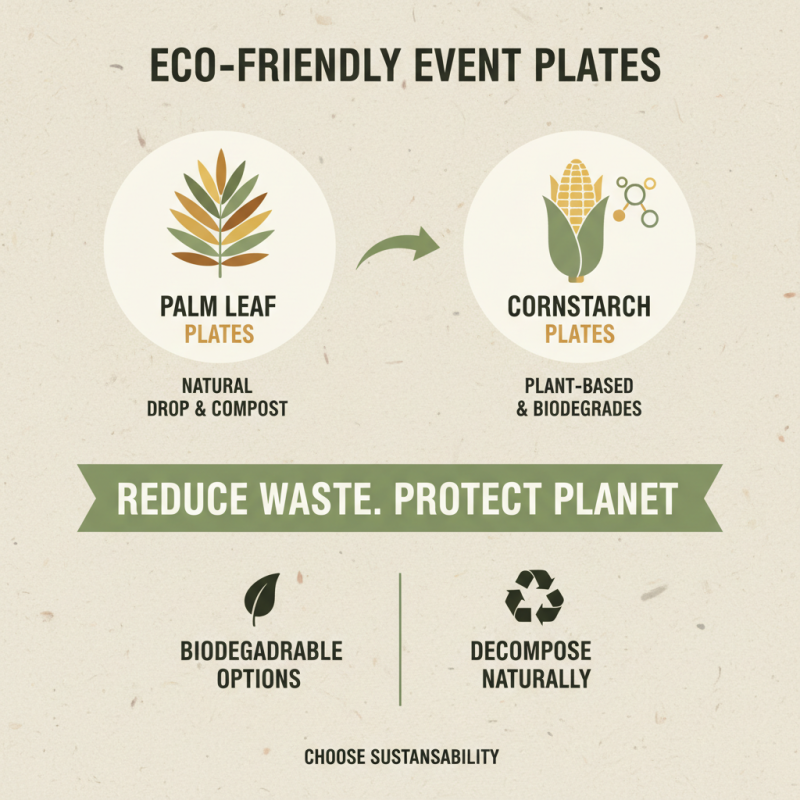
Biodegradable Disposable Plates are made from natural materials like cornstarch or palm leaves. They break down naturally, unlike traditional plastics. This feature is essential for reducing landfill waste and minimizing environmental impact. However, not all products labeled as biodegradable are equally effective. It's important to research the sourcing and manufacturing processes.
Many options exist on the market, but quality varies significantly. Some plates may not decompose as advertised or may release harmful chemicals during breakdown. Therefore, understanding the differences among Biodegradable Disposable Plates is crucial for making informed decisions. Opting for well-reviewed brands can help mitigate these risks. Adopting a sustainable approach is rewarding but requires careful consideration.
Understanding the Importance of Biodegradable Plates in Event Planning
When planning an event, the importance of using biodegradable disposable plates cannot be overstated. According to a recent industry report, about 300 million tons of plastic waste are generated worldwide each year. A significant portion of this waste comes from single-use items, contributing to environmental damage. Choosing biodegradable plates can help reduce this alarming statistic while creating a sustainable event.
Consideration of biodegradable options ensures that your event aligns with eco-friendly values. These plates are generally made from materials like cornstarch or palm leaves, which decompose naturally. A study from the Environmental Protection Agency states that biodegradable products can break down in about 90 days under the right conditions. This timeline is significantly shorter than traditional plastic.
Tips: Choose plates that are certified as biodegradable. Look for clear labeling and ask suppliers for their sustainability credentials. Additionally, consider the compostability of the plates. Not all biodegradable products will break down in a standard landfill setting.
It's essential to reflect on your choices. Sometimes, biodegradable options may cost more upfront, leading to hesitation. However, the long-term benefits for the environment can outweigh these initial costs. Strive to make informed decisions that could inspire others in your community to adopt sustainable practices.
Materials Composition: Exploring Options for Compostable Disposable Plates
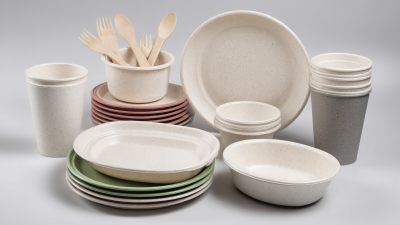
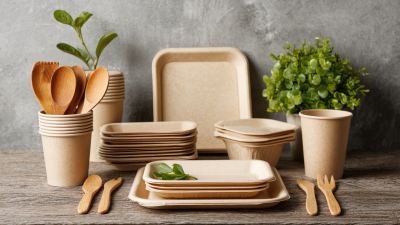
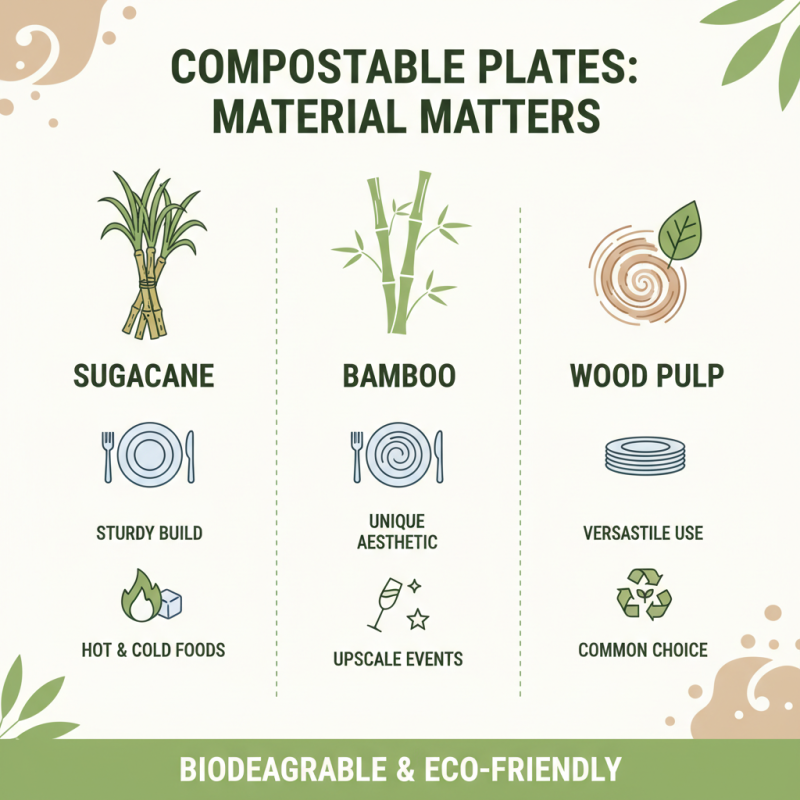
When selecting compostable disposable plates, material composition plays a key role. Many options exist, including plates made from sugarcane, bamboo, or wood pulp. Sugarcane plates boast a sturdy build, suitable for both hot and cold foods. Bamboo plates, on the other hand, offer a unique aesthetic, perfect for upscale events.
However, not all "biodegradable" claims are created equal. Some materials may break down slowly, potentially harming the environment. Reading labels can be overwhelming. Terms like "compostable" and "biodegradable" often confuse consumers. It’s essential to understand what these terms mean. Plates that meet strict composting standards generally decompose within a specific timeframe.
Additionally, consider the intended use of the plates. Will they hold oily foods? Or are they meant for dry snacks? Assessing your needs ensures you choose suitable options. The importance of responsible disposal cannot be overstated. If not composted properly, even compostable plates may end up in a landfill, defeating their purpose.
Evaluating the Environmental Impact of Various Disposable Plate Options
Choosing biodegradable disposable plates for your events involves understanding their environmental impact. Many options are available, each with unique qualities. Some plates are made from palm leaves, while others use cornstarch. Both choices decompose naturally, reducing waste.
However, not all biodegradable plates are created equal. Certain types break down faster than others. For instance, plates made from bamboo tend to disintegrate more quickly in composting conditions. Others may require industrial composting facilities, which are less accessible. Thus, evaluating the disposal methods in your area is crucial.
It's also worth noting that some biodegradable materials can still leave a carbon footprint. The production process for these plates often involves energy and resources. This consideration can lead to questioning if they truly are the more sustainable option compared to reusable items. Reflecting on these aspects can guide you towards making more informed decisions for your event.
Comparing Cost-Effectiveness of Biodegradable Plates vs. Traditional Plates
When planning an event, the choice of plates can greatly impact both the environment and the budget.
Biodegradable disposable plates are often seen as a green alternative. They break down quicker than traditional options. However, this eco-friendliness comes with varying costs. Many people assume they are more expensive but that’s not always true. Sometimes, biodegradable plates can be competitively priced if bought in bulk.
Cost-effectiveness also involves the hidden costs of traditional plates. Consider the disposal fees and waste management expenses. Traditional disposable plates contribute significantly to landfill issues. Using biodegradable options could reduce these costs in the long run. However, the quality of biodegradable plates can sometimes raise concerns. Some might not hold up well or could leak. These factors complicate the decision-making process.
It’s important to weigh durability against overall cost. A cheaper plate that breaks or leaks can lead to waste. An investment in higher-quality biodegradable plates may save money later. Events should reflect values, but the choice shouldn’t be a burden. Each decision impacts budget and the planet. Careful consideration is needed to find the right balance.
Tips for Sourcing High-Quality Biodegradable Plates for Your Events
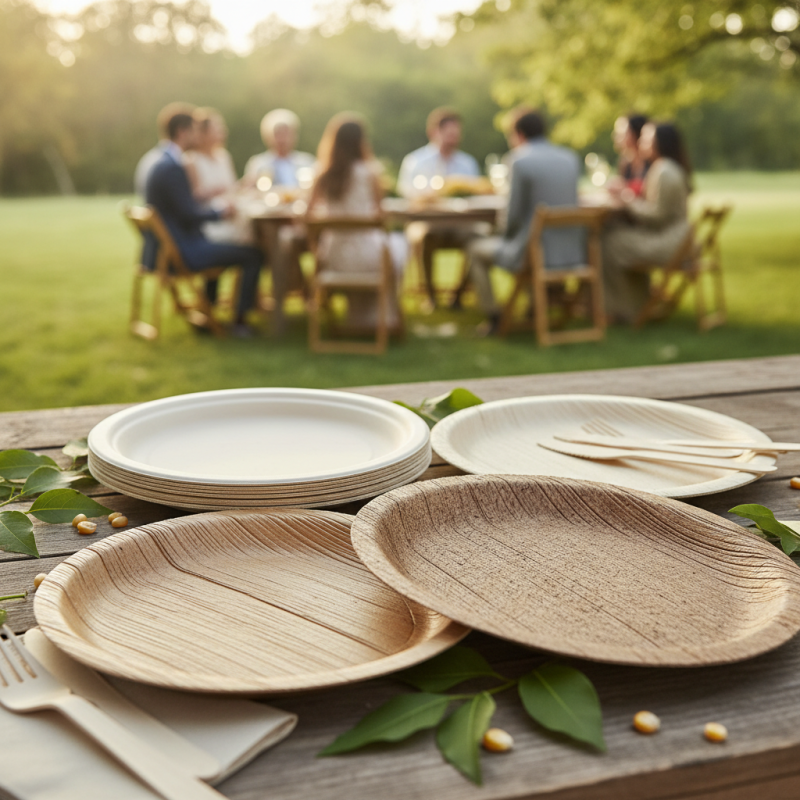
When sourcing biodegradable plates for events, quality matters. Look for plates made from materials like sugarcane bagasse or palm leaves. These options are compostable and sturdy, reducing the risk of leaks during your special gathering. Choose plates that can withstand hot foods. It helps to read product descriptions for details on heat resistance.
Consider certification. Third-party certifications can reassure you that the plates meet environmental standards. Check the thickness, too. Thicker plates will often hold food better, especially when stacked with heavier items. It's crucial not to overlook this detail. Sometimes, thinner plates may seem appealing, but they can fail easily.
Also, think about aesthetics. Many biodegradable plates come in various designs. You can find options that suit your event's theme. However, check reviews. Some products may look great but perform poorly. Balance the look and function to avoid disappointment later. It's a journey of trial and error that requires careful thought.