How to Choose the Best Plant Based Tableware for Your Business?
As consumer awareness about sustainability increases, businesses must adapt to these changing preferences. The global market for plant-based tableware is rapidly expanding, projected to reach $18 billion by 2027. This growth reflects a significant shift toward eco-friendly solutions in various industries, including dining and catering. Plant-based tableware offers an alternative to traditional materials, reducing plastic waste and carbon footprints.
However, choosing the best plant-based tableware is not straightforward. With numerous options available, from sugarcane and bamboo to wheat straw, it’s crucial to weigh the benefits and limitations of each material. Quality varies widely, impacting durability and eco-friendliness. Additionally, businesses must consider their specific needs, such as serving size or functionality.
Making the right choice requires research and thoughtful reflection. Not all plant-based options are equal, and understanding certifications like compostability can guide decisions. With the right approach, companies can align their product offerings with sustainable practices, demonstrating commitment to environmental responsibility. Thus, exploring plant-based tableware is essential for businesses aiming to thrive in today’s eco-conscious market.
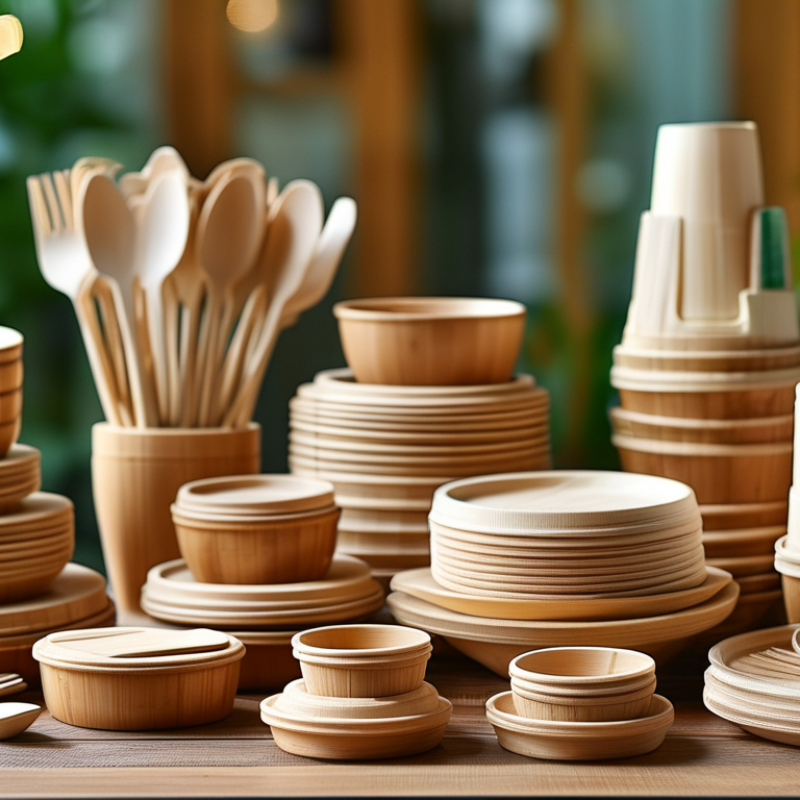
Understanding the Benefits of Plant-Based Tableware for Businesses
Plant-based tableware offers significant benefits for businesses aiming to align with sustainability goals. These products are crafted from materials like cornstarch, sugarcane, and bamboo. They are biodegradable and compostable, making them an environmentally responsible choice. By opting for such options, businesses can reduce their carbon footprint and appeal to eco-conscious consumers.
Using plant-based tableware can also enhance a brand's image. Many customers are increasingly prioritizing sustainability when choosing where to spend their money. By using eco-friendly products, businesses can position themselves as leaders in sustainability. This can attract a loyal customer base that values environmentally responsible practices.
However, transitioning to plant-based tableware is not without challenges. Sourcing reliable suppliers may take time. The cost of these materials can be higher compared to traditional options. Some businesses might hesitate, fearing their customers will resist change. Each step taken toward sustainable practices can spark reflection on larger operational choices. It’s crucial to communicate openly about these challenges to engage customers and stakeholders.
Identifying Key Features to Look for in Tableware Materials
When selecting plant-based tableware for your business, focus on material properties. Eco-friendliness is a major consideration. Look for materials derived from renewable resources. These options are more sustainable than traditional plastics. Biodegradable and compostable products can make a significant impact. They help reduce waste in landfills.
Durability is another key feature. While plant-based materials are eco-friendly, they must also withstand everyday use. Test for strength and resistance to heat and moisture. Check if the tableware is suitable for both hot and cold foods. Many products may claim to be sturdy, but some might not hold up in real-life situations.
Aesthetic appeal can influence customer choices. Choose colors and designs that fit your brand. However, keep in mind the balance between looks and practicality. Some attractive choices may lack functionality. Consider how easy the tableware is to clean and store. User reviews often reveal subtle flaws. They can guide you toward the best options.
Evaluating Environmental Impact: Biodegradable vs. Reusable Options
Choosing the right plant-based tableware for your business involves careful consideration. The environmental impact of your choices can greatly affect sustainability efforts. Biodegradable options break down naturally, minimizing landfill waste. However, they may not hold up well for long periods. Reusable options offer durability but require energy for cleaning.
Tips: Consider your usage frequency. If items are often used, reusable tableware may be more sustainable in the long run. Assess your menu too. Some foods may require sturdier items, which biodegradable options may not adequately support.
Evaluate sourcing practices as well. Not all biodegradable materials come from sustainable sources. Transparency from suppliers can help, but may not always be available. Don’t overlook the practicalities. Sometimes, available options lack the quality needed for consistent use. It's essential to find a balance that works for your business model and reflects your environmental values.
Considering Cost Factors: Budgeting for Plant-Based Tableware
When budgeting for plant-based tableware, businesses should carefully evaluate their costs. The rise in popularity of sustainable products drives prices higher. A recent industry report indicates that plant-based materials can be up to 30% more expensive than traditional plastics. However, many businesses report long-term savings through reduced waste disposal costs.
It's crucial to analyze not just initial expenses but also the overall lifecycle costs. For instance, some plant-based options are compostable, which may lower long-term waste management fees. In contrast, cheaper options often contribute to waste issues. According to The Green Alliance, nearly 60% of businesses view sustainability as a key factor for customer loyalty, suggesting that higher upfront costs could translate to greater customer retention.
Consider hidden costs as well. Training staff on proper disposal methods or composting practices may add to operational expenses. Investing in high-quality, plant-based tableware may initially seem daunting. Yet, many reports emphasize its growing demand in the market. Balancing budget constraints with quality and sustainability can shape long-term business success.
Choosing Suppliers: Where to Find Quality Plant-Based Tableware
When selecting suppliers for plant-based tableware, quality is paramount. Industry reports indicate that the global market for sustainable tableware is rapidly expanding, projected to reach $5 billion by 2025. This growth is fueled by increased consumer demand for eco-friendly products. Businesses must find suppliers who not only offer sustainable products but also meet quality standards.
Evaluating potential suppliers involves checking certifications and materials. Look for those that use renewable resources, like bamboo or sugarcane pulp. It’s crucial to verify claims with documentation. Choose suppliers who focus on responsible sourcing and transparency. This builds trust with your customers and ensures that your offerings are genuinely sustainable.
Tips: Request samples before committing to large orders. This gives you a firsthand look at the product quality. Also, consider suppliers who have a proven track record in the industry. They often provide better support and insights into product performance. Lastly, gather feedback from other businesses or customers to assess overall satisfaction. Staying informed will help avoid potential pitfalls in your supply chain.
Plant-Based Tableware Material Comparison
This chart compares the sustainability scores of different plant-based tableware materials. PLA ranks the highest based on its environmental benefits, followed by bamboo, bagasse, and palm leaf.