How to Choose Eco-Friendly Tableware for Sustainable Living?
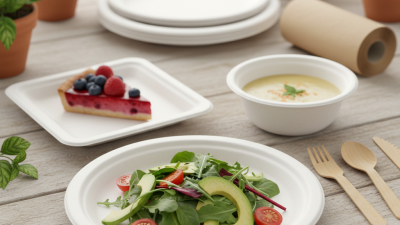
Choosing eco-friendly tableware is essential in our pursuit of sustainable living. The right tableware can reduce waste and lessen our environmental impact. Eco-friendly tableware options are made from materials like bamboo, recycled glass, or biodegradable plastics. These materials not only serve functional purposes but also enhance the aesthetic of our dining experiences.
Think of everyday choices. Using disposable plastic plates adds to landfill waste. In contrast, reusable eco-friendly tableware can make a notable difference. Your selection reflects your values and commitment to the planet. However, some eco-friendly products may come with a higher price tag, making it necessary to reflect on your budget and priorities.
Sustainability is not one-size-fits-all. Not every eco-friendly tableware option will suit your lifestyle. Some items might not withstand everyday use or may require special care. It's important to choose wisely, balancing costs with quality and environmental impact. This journey toward sustainability starts with thoughtful and informed decisions about what we place on our tables.
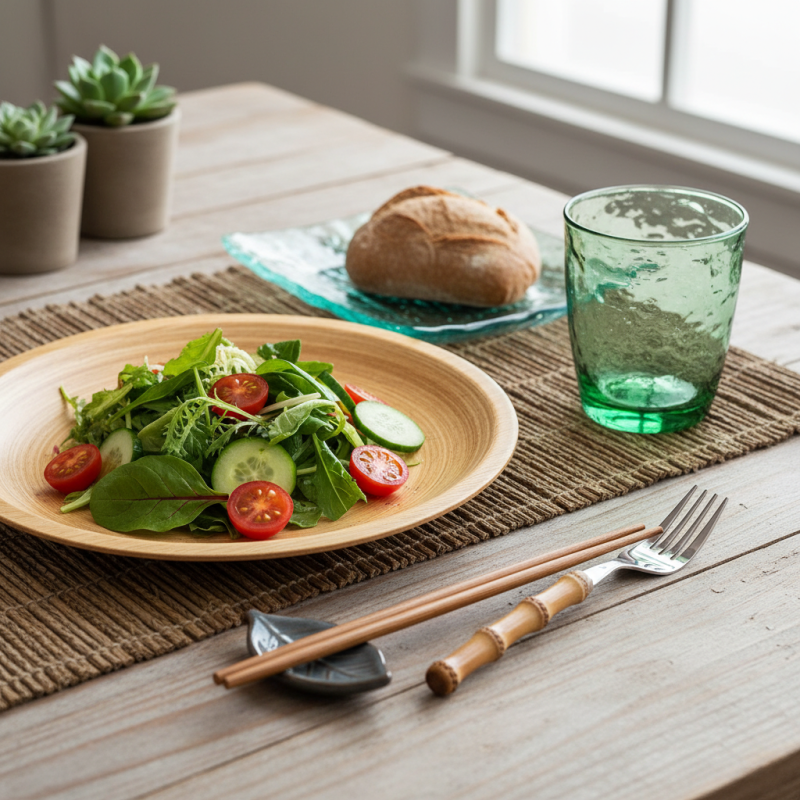
Understanding the Importance of Eco-Friendly Tableware
Eco-friendly tableware plays a crucial role in sustainable living. Research indicates that the production of single-use plastics contributes significantly to environmental degradation. In fact, around 300 million tons of plastic are produced each year, with a large portion ending up in oceans and landfills. These materials take hundreds of years to decompose, causing long-term harm to ecosystems.
Choosing sustainable options, like bamboo or compostable materials, can mitigate these harmful effects. Studies show that using biodegradable tableware reduces greenhouse gas emissions by up to 50%. Additionally, it encourages practices that support a circular economy. Despite the clear benefits, consumers often struggle with the illusion that inexpensive disposable items are more practical. This misconception can lead to increased waste and environmental concerns.
Mindful consumption is essential. When selecting tableware, consider factors like sourcing, manufacturing processes, and end-of-life impact. Not all eco-friendly products are created equal. Some may claim to be sustainable while lacking transparency. It is crucial to research and verify claims to ensure informed decisions that benefit both the environment and your health.
Types of Eco-Friendly Materials for Tableware
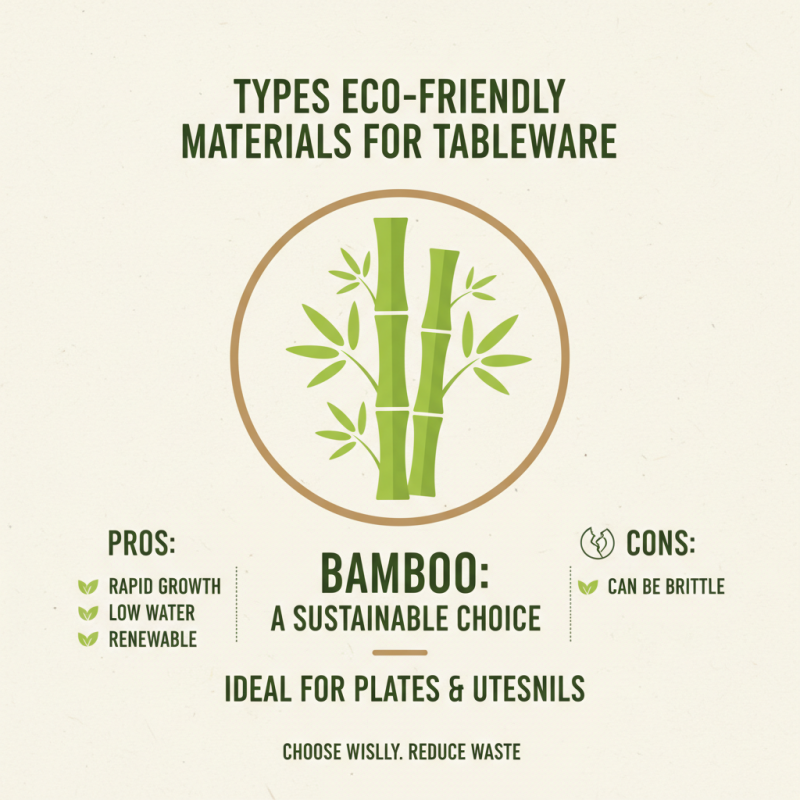
When choosing eco-friendly tableware, understanding the materials is crucial. Bamboo is a popular choice. It grows quickly and requires little water. This makes it a sustainable option for plates and utensils. However, bamboo can sometimes be more brittle than traditional materials. Care must be taken to avoid breakage.
Another alternative is biodegradable plastics made from cornstarch or sugarcane. These materials decompose over time, reducing landfill waste. They often mimic the look and feel of conventional plastics. Yet, some biodegradable options may still require specific conditions to break down effectively. This can lead to confusion about their disposal.
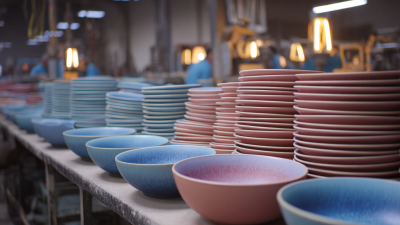
Ceramics are timeless and durable. Many brands offer options that use sustainable clay and non-toxic glazes. That’s a huge plus. However, ceramic products can be heavy and may chip. Finally, consider recycled glass. It’s beautiful and eco-friendly, but it may not be as durable as other materials. Each option has its pros and cons, prompting thoughtful consideration for better choices.
Factors to Consider When Choosing Sustainable Tableware
Choosing eco-friendly tableware is essential for sustainable living. When selecting sustainable tableware, several factors must be considered to ensure environmental impact is minimized.
Materials matter significantly. Look for options made from bamboo, recycled glass, or compostable plastics. According to a report by the Ellen MacArthur Foundation, switching to sustainable materials can reduce plastic pollution by up to 70%.
Another key factor is durability. Eco-friendly products should withstand wear and tear. Research shows that reusable tableware can save approximately 6 billion single-use plastic items every year. Investing in sturdy items means fewer replacements and less waste. Additionally, consider the manufacturing process. Brands that focus on ethical sourcing and fair labor practices contribute to more sustainable communities.
Tips: Always check for certifications indicating eco-friendliness. Look for labels such as "BPA-free" or "made from recycled materials." Educate yourself on how to properly dispose of or recycle these products after use. Balance is necessary. Sometimes you may find options that are not 100% sustainable but are better than conventional choices.
Reflect on your consumption habits; small changes can lead to significant impacts.
How to Evaluate the Sustainability of Tableware Brands
When choosing eco-friendly tableware, evaluating the sustainability of brands is crucial. Look for materials that are biodegradable or made from recycled sources. Some brands use bamboo or cornstarch, both of which are more sustainable than plastic. Research each brand’s production process; transparency is a good sign. Companies that openly share their practices tend to be more reliable.
Tips: Check for certifications. Look for labels like FSC (Forest Stewardship Council) to ensure responsible sourcing. Dive into their waste management practices. Understanding how companies dispose of their manufacturing waste can highlight their commitment to sustainability.
It’s important to consider the longevity of the tableware, too. Some eco-friendly options might not stand the test of time and can become waste. Reflect on how often you will use these items. Sometimes, the cheaper options lead to more waste in the long run. Choosing high-quality, durable products may require a larger initial investment but pays off for the environment.
How to Choose Eco-Friendly Tableware for Sustainable Living? - How to Evaluate the Sustainability of Tableware Brands
| Tableware Type |
Material |
Biodegradable |
Recyclable |
Manufacturing Process |
Sourcing of Materials |
Certifications |
Price Range |
| Plates |
Bamboo |
Yes |
Yes |
Natural Processing |
Sustainably Sourced |
FSC Certified |
$10 - $20 |
| Cups |
Glass |
No |
Yes |
Recycled Glass |
Post-Consumer Recycled |
Eco-Label |
$5 - $15 |
| Cutlery |
CPLA (Corn Starch) |
Yes |
Yes |
Biodegradable Production |
Non-GMO Corn |
BPI Certified |
$8 - $18 |
| Bowls |
Recycled Paper |
Yes |
Yes |
Sustainable Sourcing |
Post-Consumer Waste |
USDA Certified Biobased |
$12 - $22 |
| Straws |
Stainless Steel |
No |
Yes |
Recyclable Production |
Durable and Reusable |
N/A |
$5 - $10 |
Tips for Maintaining and Disposing of Eco-Friendly Tableware
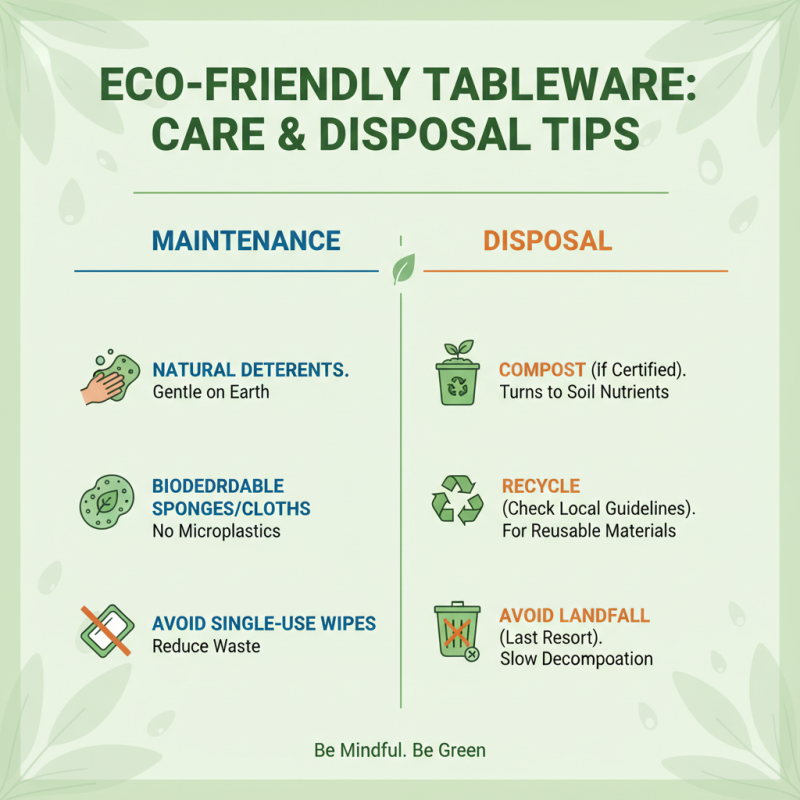
Maintaining eco-friendly tableware requires a mindful approach. After use, always clean them with natural detergents. These products are less harmful to the environment. Choose biodegradable sponges or cloths for wiping. Avoid single-use options, even in cleaning.
Disposing of eco-friendly tableware can be tricky. Compostable items should go into your compost bin. However, some may contaminate recycling streams if not properly sorted. For non-biodegradable materials, research local recycling rules. Not all areas accept the same items. Confusion can lead to mistakes, so it's essential to verify.
Regularly assess your tableware collection. Are you using all your pieces? Consider donating unused items to reduce waste. While you strive for sustainability, recognize that perfection is unattainable. Every small step contributes to a greener planet. It’s okay to make mistakes in this journey. Reflecting on your choices helps you grow.