2026 How to Choose Eco Friendly Pulp Box for Sustainable Packaging?
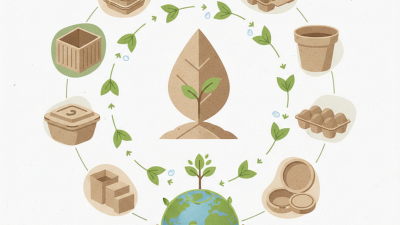
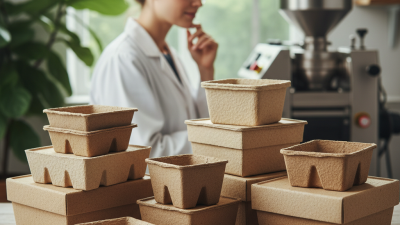
The demand for sustainable packaging has surged in recent years. Businesses are looking for ways to reduce their environmental impact. One popular option is the Eco Friendly Pulp Box. This packaging method is both biodegradable and recyclable, making it an excellent choice for eco-conscious brands.
According to expert Dr. Emily Green, a leader in sustainable product design, "Choosing an Eco Friendly Pulp Box can significantly lower your carbon footprint." Her insights highlight the importance of selecting materials that support sustainability. When businesses pick eco-friendly options, they contribute to a healthier planet.
However, the process is not without challenges. Finding the right supplier isn't easy. Some companies offer subpar materials that lack durability. It’s crucial to research and ensure that the Eco Friendly Pulp Box meets quality standards. Balancing environmental responsibility with practical needs requires careful consideration and ongoing reflection.
Understanding Eco-Friendly Pulp Box Materials for Sustainable Packaging
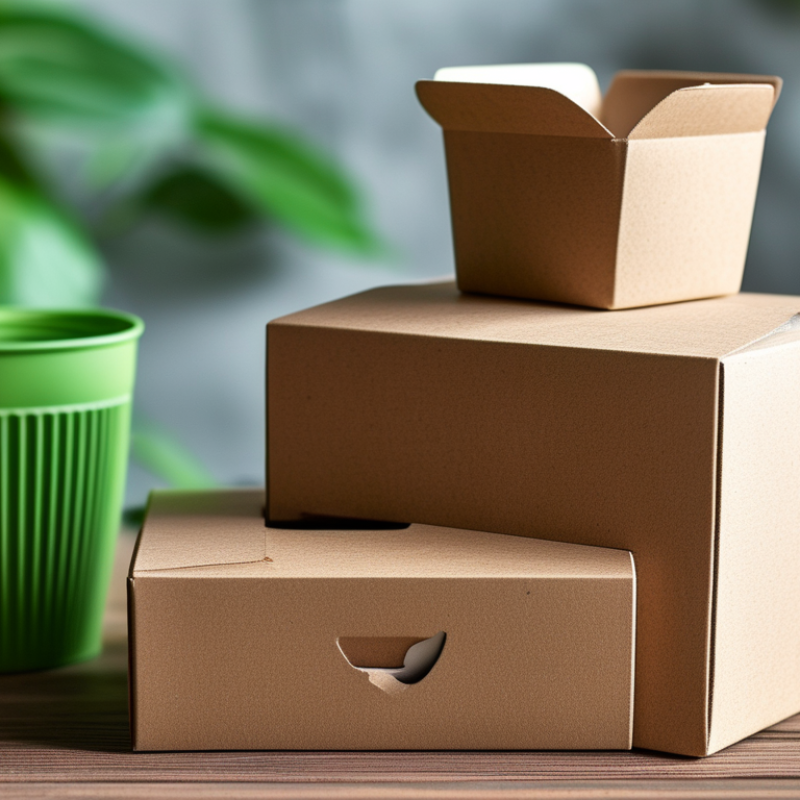
Eco-friendly pulp boxes are gaining traction in sustainable packaging. These boxes are primarily made from recycled paper, bamboo, and other biodegradable materials. Reports show that the global market for eco-friendly packaging is expected to reach $1 trillion by 2027, highlighting the rising demand for sustainable solutions.
Choosing the right pulp material is key. Look for options with a high percentage of post-consumer waste. This not only reduces environmental impact but also supports recycling initiatives. Studies reveal that using recycled materials can lower carbon emissions by up to 30%. This is a significant step towards reducing your ecological footprint.
Tip: Consider the lifecycle of the packaging. Look for certifications that ensure the product is fully compostable or recyclable. Many pulp boxes are designed to decompose within months, unlike conventional plastic. It’s worth noting that not all products labeled ‘eco-friendly’ are created equal. Researching the sourcing and processing of materials is essential for making informed choices.
Factors to Consider When Choosing Pulp Boxes for Eco-Conscious Brands
When selecting pulp boxes for eco-conscious brands, consider the sustainability of materials. Pulp boxes made from recycled and biodegradable materials are preferred. Look for certifications that validate their eco-friendliness. This can include compostability or FSC certification, indicating responsible forestry practices.
Additionally, evaluate the manufacturing process. Eco-friendly production methods reduce carbon footprints. Companies that prioritize energy-efficient practices often have a smaller environmental impact. It's also important to think about the end-user experience. Pulp boxes should provide adequate protection for products while being easy to open and dispose of.
While there are many options, not all meet the highest standards. Some pulp boxes may lack durability or may not be as biodegradable as claimed. It’s essential to research thoroughly and seek transparency from suppliers. Brands must balance between eco-friendliness and functional design. This can be challenging but is crucial for a sustainable future.
2026 How to Choose Eco Friendly Pulp Box for Sustainable Packaging?
| Factor |
Description |
Importance Rating (1-5) |
| Material Source |
Ensure the pulp is sourced from sustainably managed forests to minimize environmental impact. |
5 |
| Biodegradability |
Choose pulp boxes that break down naturally and do not contribute to landfill waste. |
5 |
| Recyclability |
Select boxes that can be easily recycled to promote a circular economy. |
4 |
| Certifications |
Look for certifications like FSC or SFI that ensure sustainable practices. |
5 |
| Durability |
Ensure that the packaging can withstand transport without damage, minimizing waste. |
4 |
| Cost |
Evaluate the cost-effectiveness while balancing sustainability needs. |
3 |
| Supplier Transparency |
Choose suppliers that are transparent about their material sourcing and manufacturing processes. |
5 |
The Role of Certification and Standards in Eco-Friendly Packaging Choices
When it comes to choosing eco-friendly pulp boxes for sustainable packaging, certification and standards play a crucial role. Various regulations ensure that products meet specific environmental criteria. These certifications often indicate that materials are sourced sustainably and are biodegradable. Look for well-known certifications, as they can help you make informed decisions. They also provide insights into the lifecycle of the packaging materials.
However, not all certifications are created equal. Some may focus on specific aspects, while others cover broader sustainability practices. It's essential to understand the differences. Transparency in labeling is important, but sometimes it can be misleading. Consumers might find it challenging to decipher the claims made by manufacturers.
Regular updates to these standards can leave consumers confused, raising questions about long-term reliability. The eco-friendly landscape is continually evolving. New materials and methods emerge, while old certifications may become outdated. Keeping abreast of these changes is necessary for anyone committed to sustainable practices. In the end, every choice in packaging contributes to a larger eco-conscious narrative, even if it seems small at first glance.
Comparing Cost-Effectiveness of Eco-Friendly Pulp Boxes vs. Traditional Options
When evaluating the cost-effectiveness of eco-friendly pulp boxes against traditional packaging options, several factors emerge. Eco-friendly pulp boxes often come with a higher initial cost, yet they can lead to long-term savings. They are biodegradable, reducing waste disposal expenses over time. This is a key consideration for businesses aiming to enhance their sustainability.
Traditional packaging, typically made from plastic or non-recyclable materials, often appears cheaper upfront. However, the environmental impact can lead to hidden costs. Companies may face penalties, or need to invest in waste management. Switching to pulp boxes not only aligns with eco-conscious values but also helps mitigate these risks.
It's important to weigh up the durability and protection level of both options. Pulp boxes may not be suitable for all products. Certain items require more robust packaging solutions. This limitation is a challenge that companies must address. The choice is complex, requiring thorough consideration of both environmental impact and financial feasibility.
2026 How to Choose Eco Friendly Pulp Box for Sustainable Packaging?
Innovative Designs and Technologies in Sustainable Pulp Box Solutions
In recent years, the demand for sustainable packaging solutions has surged. Innovative designs in pulp packaging are leading this trend. Reports indicate that the global sustainable packaging market is projected to reach $700 billion by 2027. Among these solutions, eco-friendly pulp boxes stand out due to their biodegradability and recyclable properties. These boxes are made from sustainable materials, making them a preferred choice for conscious consumers.
Recent studies reveal that companies adopting sustainable packaging see an increase in brand loyalty. For instance, over 70% of consumers are willing to pay more for products in eco-friendly packaging. However, manufacturers face challenges in balancing cost and sustainability. Innovations in production techniques are crucial. Methods like pulp molding are gaining traction, offering durability without compromising the environment.
Choosing the right pulp box requires careful consideration. It’s essential to evaluate the sourcing of materials and the manufacturing process. Not all pulp is created equal. Some boxes might still involve harmful chemicals in processing. Brands must strive for greater transparency in their supply chains. The journey toward truly sustainable packaging is ongoing, and continuous improvement is necessary.