Why Choose Eco Friendly Pulp Bowl for Sustainable Eating?
In recent years, the demand for sustainable eating solutions has surged. Consumers are increasingly aware of their environmental impact. Eco Friendly Pulp Bowls have emerged as a leading option for those seeking environmentally responsible choices. According to a report by the Sustainable Table Initiative, the use of biodegradable materials in food service can reduce landfill waste by up to 50%.
Dr. Emily Green, a sustainability expert, states, "Eco Friendly Pulp Bowls represent a vital shift towards responsible consumption." These bowls, made from renewable resources, minimize the carbon footprint. They not only serve food but also contribute to a cleaner planet. Yet, challenges remain. Many consumers may not fully understand their benefits, leading to potential hesitation in adoption.
As we embrace sustainable eating, it's crucial to weigh both advantages and drawbacks. Eco Friendly Pulp Bowls offer a promising alternative, but questions about cost-effectiveness and availability linger. Balancing convenience and sustainability is key to fostering a broader acceptance of eco-friendly products.
Benefits of Using Eco-Friendly Pulp Bowls in Sustainable Eating
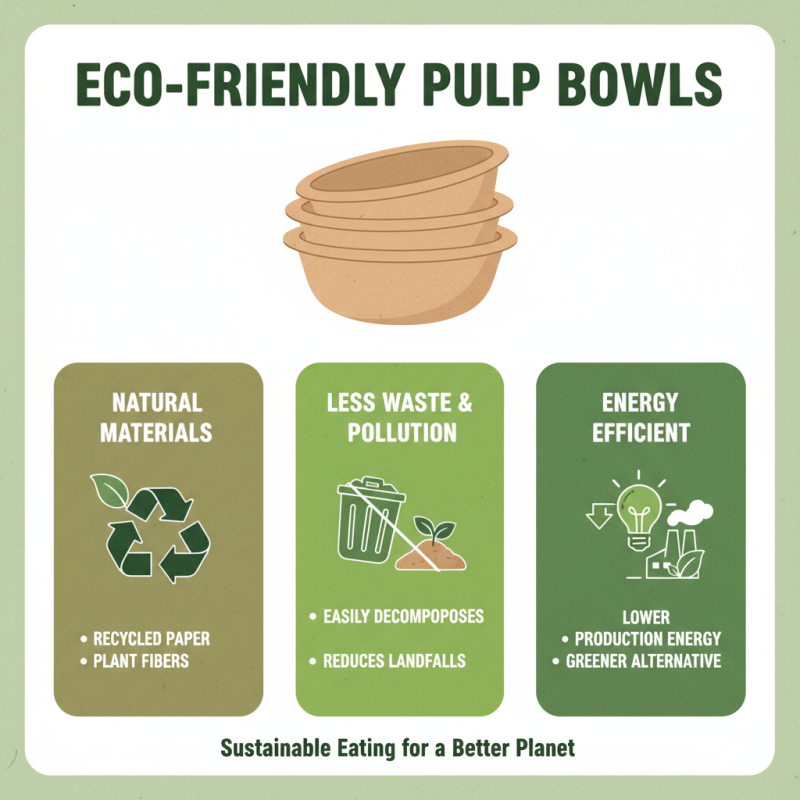
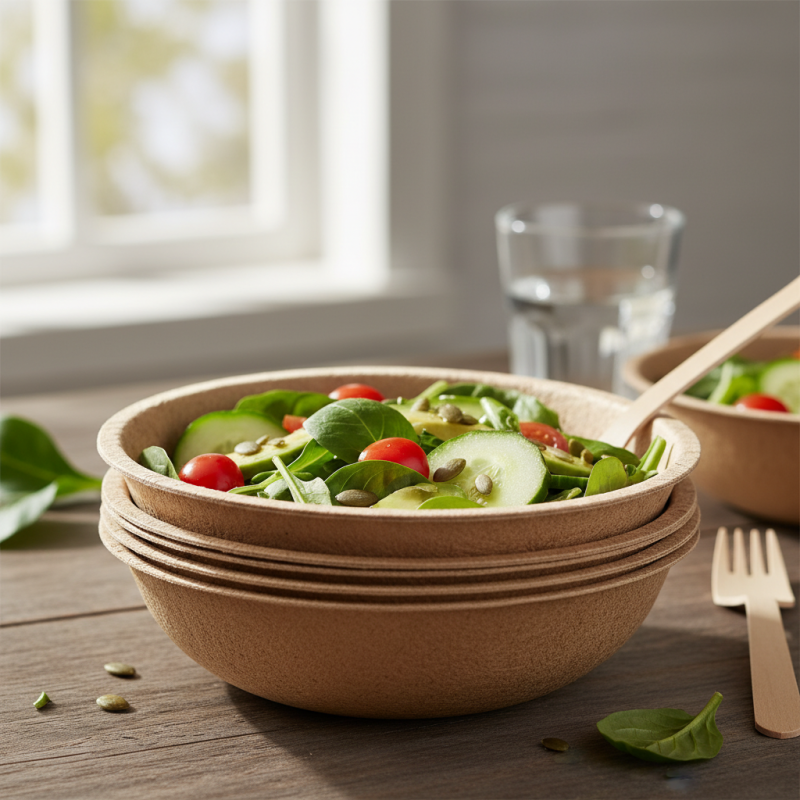
Eco-friendly pulp bowls are gaining popularity for sustainable eating. They are made from natural materials, often recycled paper or plant fibers. This means less waste in landfills. These bowls decompose easily, which helps reduce pollution. Their production generally consumes less energy compared to plastic options.
Using pulp bowls also aligns with a greener lifestyle. They are sturdy enough for various foods. Imagine a picnic where all dishes vanish back into the earth. However, some may find them less durable than plastic. Thus, planning is key to prevent spills. These bowls also offer aesthetic appeal. Their natural texture adds charm to any meal. But not everyone may appreciate the look.
Mindfully choosing pulp bowls can lead to a more sustainable future. They remind us of the impact of our choices. Awareness is crucial, and sometimes we forget. The environmental footprint of our lifestyle often weighs heavy. Switching to eco-friendly options could provide a solution. It's a small change but can lead to significant benefits over time.
Comparison of Eco-Friendly Pulp Bowls with Conventional Dinnerware
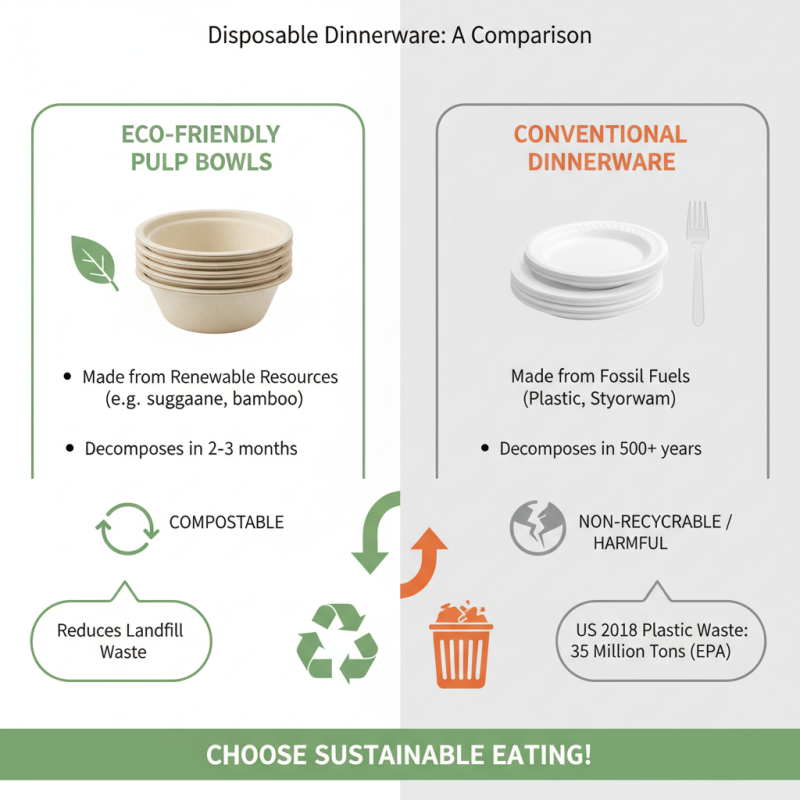
When comparing eco-friendly pulp bowls with conventional dinnerware, the differences become clear. Conventional plastic and Styrofoam plates often take hundreds of years to decompose. According to the Environmental Protection Agency, over 35 million tons of plastic waste were generated in the U.S. in 2018 alone. In contrast, eco-friendly pulp bowls made from renewable resources break down within a few months. This presents a compelling case for sustainable eating.
Eco-friendly pulp bowls are lightweight and sturdy. They hold up well for hot and cold foods. This means you can serve a variety of dishes without worry. However, it's crucial to note that not all pulp bowls are created equal. Some may still use harmful coatings or additives. It's vital for consumers to research before purchasing.
While the benefits are significant, challenges remain. The production of pulp bowls still consumes energy. There is also the issue of sourcing materials sustainably. A report by the World Wildlife Fund suggests that sustainable practices need more attention. The eco-friendly choice is important, but true sustainability involves ongoing improvements and innovations in production methods.
Environmental Impact of Pulp Bowls in Reducing Plastic Waste
The environmental impact of pulp bowls is significant. They serve as a viable alternative to plastic dishes. Made from recycled paper or sugarcane, pulp bowls decompose easily. In contrast, plastic can take centuries to break down. When discarded, plastic contributes to pollution and harms wildlife. Pulp bowls can reduce this damaging footprint.
Switching to pulp bowls is a step towards sustainable eating. Buying these products supports a cleaner planet. Individuals can make small changes in their dining habits. However, the availability of pulp bowls can be an issue. Not all stores carry eco-friendly options. Raising awareness about their benefits is essential for encouraging wider use.
Many may overlook the importance of choosing sustainable materials. Some might think it’s just a trend. But as our planet faces climate challenges, habits need adjustment. Each small decision contributes to a bigger change. Embracing eco-friendly choices can empower consumers. Yet, it's crucial to reflect on our consumption patterns. Adopting sustainability takes time and commitment, but it's worth the effort.
Cost-Effectiveness of Choosing Pulp Bowls for Eco-Conscious Consumers
Choosing eco-friendly pulp bowls is a smart decision for those who care about the planet. These bowls come from renewable resources. They decompose more easily than plastic. This makes them ideal for outdoor events or picnics. Many consumers are now looking for alternatives to traditional materials. They want something safe and sustainable.
Cost-effectiveness is another advantage. Pulp bowls are often cheaper in bulk. This is a major draw for eco-conscious buyers. They provide great value without sacrificing performance. Consider a gathering with friends. Using pulp bowls can save you money while being kind to nature.
However, it's not always perfect. Some people may underestimate their durability. Pulp bowls need to be handled with care, especially with hot foods. This can lead to minor inconveniences. Yet, the overall offering of a guilt-free experience is hard to ignore. Transitioning to these bowls is a step towards greener living. Every small change counts.
Why Choose Eco Friendly Pulp Bowl for Sustainable Eating? - Cost-Effectiveness of Choosing Pulp Bowls for Eco-Conscious Consumers
| Features |
Pulp Bowl |
Plastic Bowl |
| Material |
Biodegradable pulp from wood or sugarcane |
Petrochemical-based plastic |
| Environmental Impact |
Low carbon footprint and compostable |
High pollution and non-biodegradable |
| Price per Unit |
$0.10 - $0.20 |
$0.05 - $0.15 |
| Durability |
Good for hot and cold foods |
Very durable but not recyclable |
| Usage Frequency |
Single-use, compostable |
Single-use, often littered |
| Health Safety |
Free from harmful chemicals |
May leach chemicals into food |
| Consumer Preference |
Increasingly preferred by eco-conscious consumers |
Decreasing preference due to environmental concerns |
Practical Applications and Uses of Pulp Bowls in Everyday Life
Pulp bowls are becoming a popular choice for sustainable eating. They serve multiple purposes in our daily lives. These bowls are made from renewable resources. This makes them an eco-friendly alternative to plastic. A report from the Environmental Protection Agency stated that over 35 million tons of plastic waste were generated in the U.S. in 2018 alone. Reducing plastic use can significantly lower this figure.
In terms of practical applications, pulp bowls are incredibly versatile. They can hold hot or cold food without leaking. Their sturdy design is ideal for picnics or takeout meals. People often overlook their compostable nature, which is a key benefit. After use, they can return to the earth without leaving harmful residues. Yet, we should remember that not all composting facilities accept them. Checking local guidelines is essential.
**Tips:** When using pulp bowls, consider lining them with a biodegradable material for wet foods. This helps maintain integrity and prevents sogginess. You can also encourage friends and family to use these bowls. Offering them as an option at gatherings can spark discussions about sustainability. Incorporating small changes in our food habits can have a lasting impact.
Environmental Impact of Different Disposable Bowl Materials
This bar chart illustrates the CO2 emissions produced from different types of disposable bowls per 1000 units. Pulp bowls stand out as the most eco-friendly option, significantly reducing carbon emissions compared to plastic and styrofoam bowls, making them a practical choice for sustainable eating.