Why Choose Compostable Crockery for Your Business Needs?
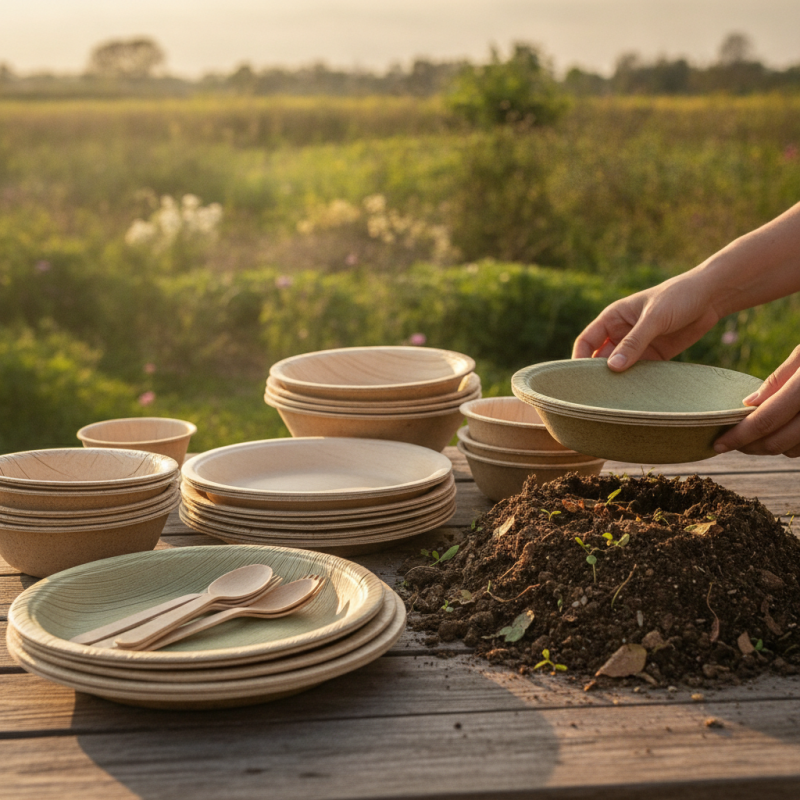
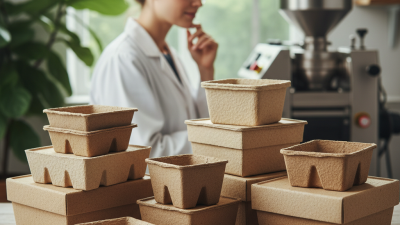
In today's world, businesses are increasingly aware of their environmental responsibilities. Choosing compostable crockery can significantly impact sustainability. These products break down naturally and enrich the soil, reducing landfill waste.
Compostable crockery offers an eco-friendly alternative to traditional plastic and Styrofoam options. They align with the values of consumers who prioritize sustainable practices. Moreover, using compostable materials enhances a brand’s image as responsible and caring for the planet.
However, not all compostable crockery is created equal. Some may not decompose effectively in standard waste conditions. It's essential to research and select high-quality products that truly deliver on their promise. Making the right choice can reflect your business's commitment to environmental stewardship.
The Environmental Impact of Non-Compostable vs Compostable Options
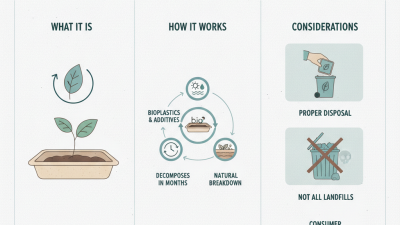
The rise of compostable crockery is vital for reducing environmental harm. According to the EPA, around 27 million tons of plastic waste reach landfills each year. Non-compostable items break down slowly and release toxins. In contrast, compostable options decompose more efficiently, returning nutrients to the soil. This process helps restore ecosystems and supports local agriculture.
Research shows that compostable materials can reduce greenhouse gas emissions by up to 60% compared to traditional plastics. A shift towards these products can significantly lower a business’s carbon footprint. While compostable crockery may require a higher upfront investment, the long-term ecological benefits justify the cost. Proper waste disposal systems are crucial, as inadequate composting facilities can hinder effective decomposition.
Evaluating the impact of choices is essential for businesses. Some establishments may find it convenient to use non-compostable items due to lower costs. However, the environmental ramifications are severe. Cost considerations shouldn’t overshadow the responsibility to protect the planet. Businesses must confront these choices and weigh immediate convenience against future sustainability.
Understanding the Material Composition of Compostable Crockery
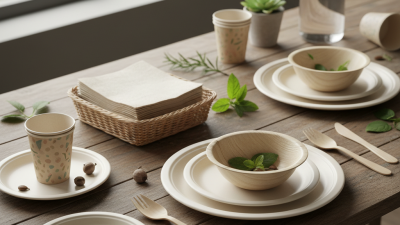
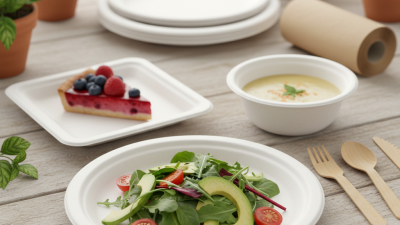
Compostable crockery is made from natural materials like cornstarch, bamboo, or sugarcane. These materials break down in composting conditions, reducing waste. Choosing this option can enhance your business's eco-friendly image. Customers appreciate sustainable choices, and it can lead to increased loyalty.
When selecting compostable products, consider their durability. Some compostable plates can bend under heavy foods. It might be wise to conduct tests before making a large purchase. Compostable does not mean weak. Be mindful of the temperature tolerance as well. Hot foods may not always be best served in every type of compostable crockery.
Tips: Always check the packaging for composting guidelines. Not all compostable items degrade the same way. Look for certifications or claims that ensure proper breakdown. This added knowledge enhances your credibility in the eyes of customers. Ensure your composting facilities align with local rules for maximum efficacy.
Why Choose Compostable Crockery for Your Business Needs?
Cost Analysis: Long-Term Savings with Compostable Crockery
Compostable crockery offers significant long-term savings for businesses. According to a report by the Biodegradable Products Institute, switching to compostable products can reduce waste disposal costs by up to 50%. This reduction comes from lower landfill fees and potential rebates for composting. Additionally, businesses can save on cleanup costs, as compostable items reduce the time needed for washing and maintaining traditional crockery.
While the initial investment in compostable products may seem higher, the long-term benefits are compelling. A study by the Food Packaging Forum revealed that companies using compostable materials saw an increase in customer satisfaction. Customers often prefer sustainable choices. This can lead to repeat business and increased sales, balancing out any higher upfront costs.
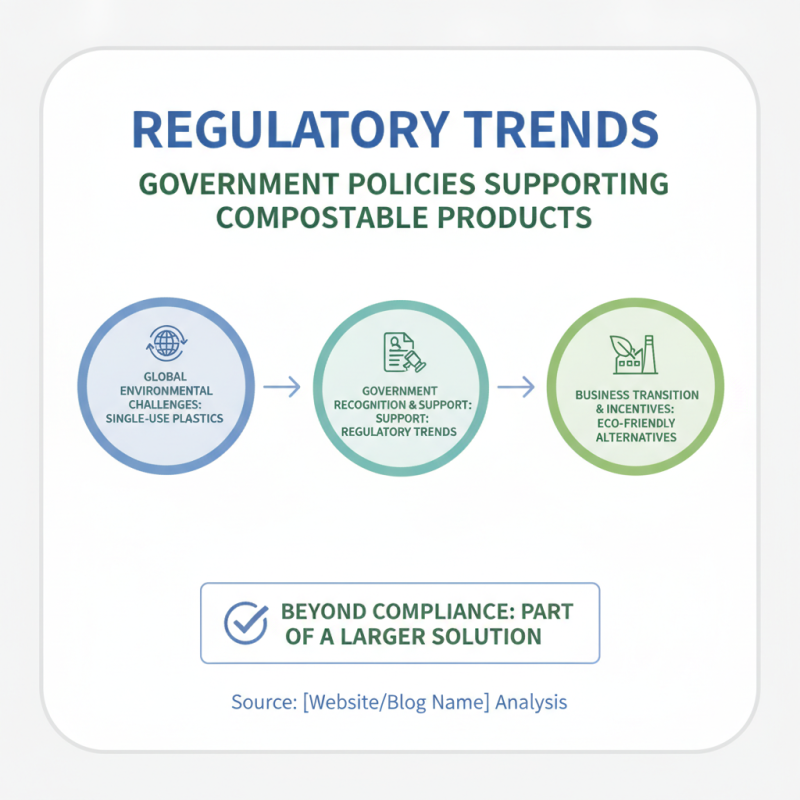
Implementing compostable crockery may raise questions. Businesses must consider local composting facilities. Not all areas support composting, which can complicate the waste management process. However, as global awareness grows, more regions are developing infrastructure for composting. This shift presents an opportunity for businesses to align with sustainability trends while potentially enhancing their bottom line.
Consumer Preferences: The Demand for Sustainable Packaging Solutions
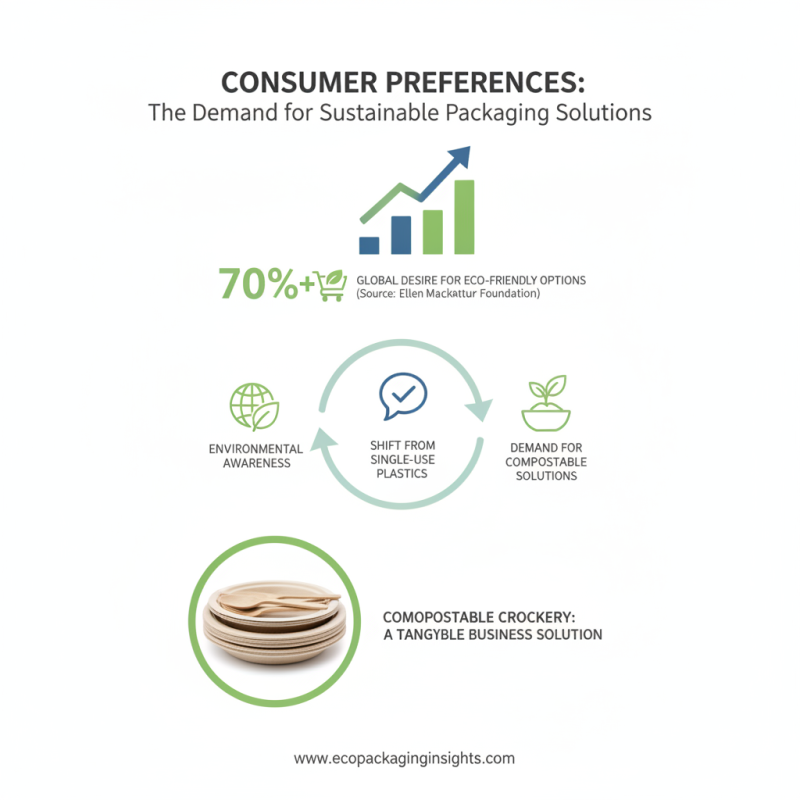
The rise in consumer preferences for sustainable packaging significantly shapes business strategies today. A recent survey by the Ellen MacArthur Foundation found that over 70% of respondents express a strong desire for more eco-friendly options. As consumers become more aware of environmental issues, they increasingly seek alternatives to traditional single-use plastics. Compostable crockery aligns perfectly with this trend, providing a tangible solution for businesses aiming to meet customer expectations.
Furthermore, the market for sustainable packaging is projected to grow at a compound annual growth rate (CAGR) of 5.7% from 2021 to 2026, according to a report by Research and Markets. This statistic reflects a broader shift in purchasing behavior. Many customers are willing to pay a premium for environmentally responsible products. However, some businesses hesitate, fearing higher costs or limited availability. This reflects a gap between consumer demand and market supply, urging companies to rethink their packaging strategies.
Incorporating compostable crockery can not only attract environmentally conscious consumers but also demonstrate corporate social responsibility. More than just a marketing tactic, it represents a commitment to sustainability. Companies still face challenges, like sourcing materials and balancing costs. Nevertheless, the demand for sustainable options continues to grow, urging businesses to innovate and improve their practices.