How to Choose the Best Eco Friendly Pulp Bento Box for Your Needs?
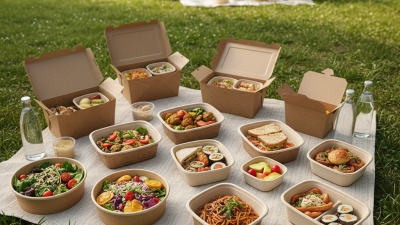
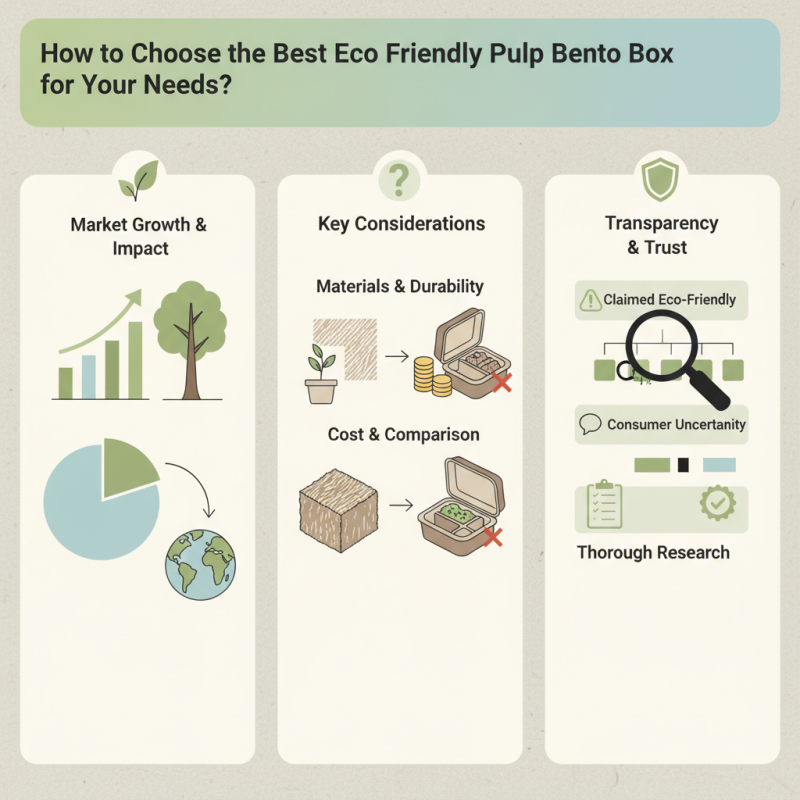
In recent years, the demand for sustainable packaging has surged. The global eco-friendly packaging market is projected to reach $500 billion by 2027. Eco Friendly Pulp Bento Boxes play a vital role in this shift. Unlike traditional plastic containers, these boxes are biodegradable and compostable. They provide a greener alternative for food storage and takeout services.
However, the lack of standards can create confusion. Consumers may struggle to find the best Eco Friendly Pulp Bento Box for their specific needs. What materials are actually eco-friendly? How do these products compare in durability and cost?
Moreover, not all companies prioritize sustainability equally. Some products claiming to be eco-friendly may contain harmful additives. Industry reports reveal that 70% of consumers are unsure about the true environmental impact of packaging products. This uncertainty calls for more transparency. It is essential to conduct thorough research before making a purchase.
Understanding Eco-Friendly Materials Used in Pulp Bento Boxes
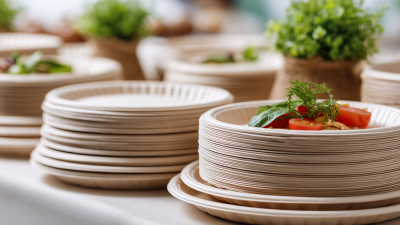
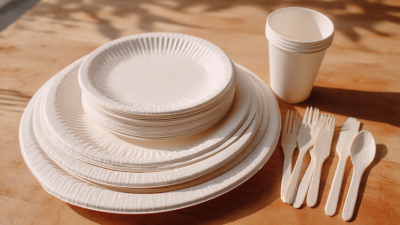
When selecting a pulp bento box, it’s essential to understand the eco-friendly materials involved. Many bento boxes use renewable resources like sugarcane pulp and recycled paper. These materials break down naturally, reducing landfill waste. Sugarcane pulp, for instance, is sturdy yet light. It offers a great balance between functionality and sustainability.
However, not all brands prioritize quality. Some may use a mix of plastics or additives that compromise eco-friendliness. It's important to check for certifications that guarantee the material’s sustainability. Look for boxes that are compostable. Keep an eye on color and texture too—darker shades may indicate added chemicals.
Consider your specific needs when choosing. If you’re often on the go, a lightweight option is crucial. For meal prep, larger containers will be needed. Reflect on your purchasing habits. Are you buying more than you need? Eco-friendly does not mean it’s always the best choice for you.
Eco-Friendly Materials Used in Pulp Bento Boxes
Assessing Size and Volume to Meet Your Food Packaging Needs
When selecting an eco-friendly pulp bento box, it’s essential to consider size and volume. Different meals require different container dimensions. A small box might suffice for a light lunch but may not hold a hearty dinner. Think about your typical portions. Do you often pack salads, or are you more of a rice-and-protein person?
Measuring your food portions can help. Use a measuring cup to see how much food you typically include. Look for boxes that can accommodate those amounts comfortably. If you often find yourself cramming food into a box that’s too small, you may be left with a mess. That’s frustrating. A box that is too large can lead to wasted space and food.
Another point to reflect on is the box's shape. Some foods fit better in rectangular boxes, while others may do well in round containers. If you're packing a variety of items, a divided box might be a good choice. It keeps different foods separate. Think about your food’s moisture levels too. A box that holds liquids securely is very important.
How to Choose the Best Eco Friendly Pulp Bento Box for Your Needs?
| Dimension |
Volume (ml) |
Perfect For |
Material |
Compostability |
| Medium (20 x 15 cm) |
800 |
Lunchboxes, Salads |
Bagasse |
Yes |
| Large (25 x 20 cm) |
1200 |
Mealtime, Dishes |
Pulp Fiber |
Yes |
| Small (15 x 10 cm) |
500 |
Snacks, Sides |
Recycled Paper |
Yes |
| Extra Large (30 x 25 cm) |
1800 |
Bulk Meals, Catering |
Bamboo |
Yes |
Considering Design and Aesthetic Appeal for Personal Use
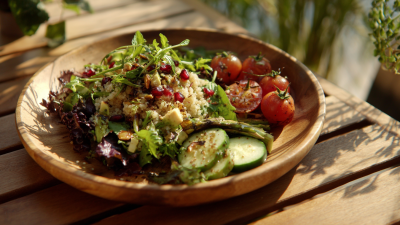
When choosing an eco-friendly pulp bento box, design and aesthetics play a crucial role. The box should reflect your personality and style. Consider vibrant colors or unique shapes that stand out. A well-designed box can make your meals more appealing. You might enjoy the look of a minimalist design or prefer a box with intricate patterns. Think about what resonates with you.
Functionality is just as important as aesthetic appeal. A box might look great but fails in practicality. Ensure it has compartments for different food items. Check how it fits in your bag. Sometimes, appealing designs sacrifice usability. That can lead to frustration. Finding a balance between beauty and functionality is key.
You may also want to think about the materials used. Are they sustainably sourced? Do they offer durability? It’s vital to reflect on these aspects. The box should not only be appealing but also environmentally friendly. Ultimately, your choice should enhance your dining experience while caring for the planet. Sometimes, the perfect design can lead to unexpected challenges. Embrace this journey as part of your decision-making process.
Analyzing Price Points and Sustainability Impact on Purchasing Decisions
When considering an eco-friendly pulp bento box, the price points you encounter can be quite diverse. Factors such as material quality, design, and size all play a role in the pricing. A simple, smaller box might be more affordable, while larger, multi-compartment options can be pricier. It's important to analyze what you really need as you navigate these price ranges.
Sustainability plays a significant role in purchasing decisions. Higher-quality, eco-friendly materials, like bamboo pulp, may initially seem expensive. However, their longevity can make them a wise investment. Cheaper options may not last long and could end up creating more waste. Reflecting on your choices involves weighing immediate costs against long-term environmental benefits. Are you paying more for a product that truly aligns with your values? This critical thought can reshape how you view eco-friendly purchases.