China Top Eco-Friendly Tableware Options for Sustainable Living?
In today’s world, choosing Eco-Friendly Tableware is more important than ever. With increasing environmental concerns, many consumers seek sustainable alternatives. Dr. Emily Han, an expert in sustainable materials, emphasizes, "Eco-Friendly Tableware is not just a trend; it’s a necessity for our planet’s future."
Many businesses now offer a variety of eco-friendly options. Bamboo plates, biodegradable utensils, and reusable containers are gaining popularity. These choices reduce waste and lower our carbon footprint. However, the market can be overwhelming. Not all products labeled as eco-friendly are equal. It requires careful evaluation and understanding.
The journey towards sustainable living should not be perfect. Mistakes can happen, such as choosing items that aren’t truly biodegradable. The key is to keep learning and making informed decisions. By prioritizing Eco-Friendly Tableware, consumers can contribute to a healthier planet while enjoying their meals. The shift is gradual but crucial in creating a sustainable future.
Sustainable Materials Used in Eco-Friendly Tableware
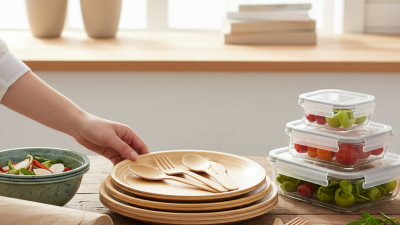
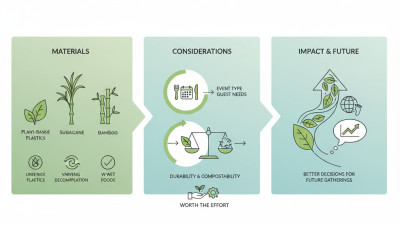
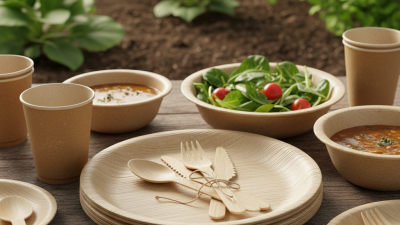
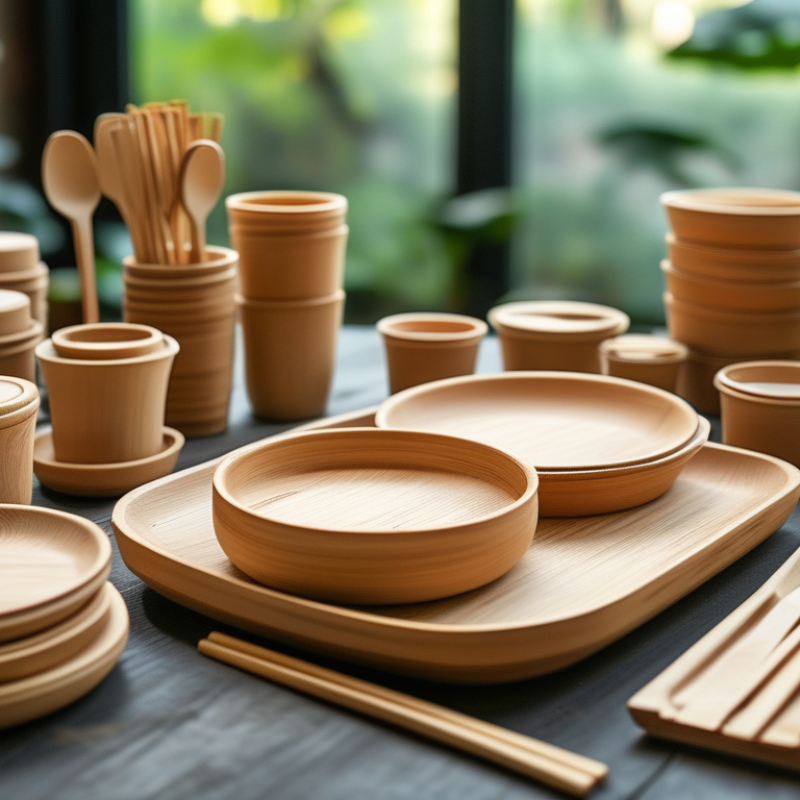
When it comes to sustainable living, choosing eco-friendly tableware is vital. Various materials are now available, making eco-conscious choices easier. Bamboo and palm leaf are among the top options. These materials are renewable, biodegradable, and provide a unique aesthetic. Each piece adds a touch of nature to your meals.
Compostable tableware is gaining popularity too. Made from sustainable materials, these products break down naturally. They help reduce landfill waste significantly. However, shoppers should check for certifications to avoid misleading labels. Not all “biodegradable” items are created equal.
Tips: Consider investing in reusable options like stainless steel or glass. They are durable and can last a lifetime. Washing and reusing cuts down on waste. Additionally, try to avoid single-use plastics. Each small change contributes to a larger impact. Choosing materials wisely can lead to a more sustainable lifestyle.
Benefits of Choosing Eco-Friendly Tableware for Daily Use
Choosing eco-friendly tableware can transform daily dining experiences. It reduces plastic waste and supports sustainability. Many people overlook the importance of their daily choices. Each fork or plate can make a difference.
Using bamboo or biodegradable materials enhances meals in a unique way. These options not only look appealing but also offer a different feel. People often rush into decisions, forgetting long-term impacts on nature. Embracing eco-friendly tableware encourages mindful choices in everyday life.
Some may worry about the durability of eco-friendly products. However, many options prove strong and reliable with regular use. Reflecting on these choices leads to better habits. By opting for sustainable tableware, individuals contribute to a healthier planet while enjoying their meals.
Top Brands in China Producing Eco-Friendly Tableware
In recent years, eco-friendly tableware has gained immense popularity across China. Many brands are committed to producing sustainable products. These options often include bamboo, recycled materials, and biodegradable substances. Bamboo plates and utensils have become favorite choices due to their durability and natural aesthetic. They break down easily and do not contribute to landfill waste.
Some manufacturers stand out in the market for their commitment to sustainability. They prioritize ethical sourcing and environmentally-friendly production methods. Their products not only reduce the use of plastics but also promote a greener lifestyle. It’s crucial to acknowledge that not all brands follow these standards. Some may greenwash their products, making sustainability claims without real commitment.
When choosing tableware, consumers should research brands carefully. Understanding certifications and material sources can help make informed choices. It’s a step toward sustainable living. However, even the most eco-friendly products have their flaws. Some biodegradable items may require specific conditions to decompose effectively, which can lead to confusion in disposal.
Consider these factors before making a purchase to ensure a genuine eco-friendly choice.
Cultural Significance of Tableware in Sustainable Living
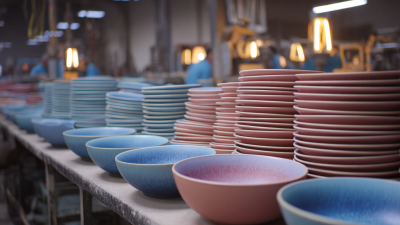
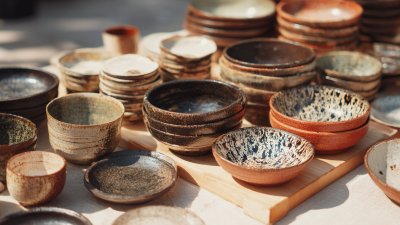
In many cultures, tableware is more than just functional; it embodies history and traditions. In China, for example, ceramics have been part of social rituals for thousands of years. The use of specific materials carries deep cultural significance. Eco-friendly tableware options reflect this rich heritage while promoting sustainable living practices.
Recent studies highlight that 45% of consumers prefer sustainable products. This trend emphasizes the growing awareness surrounding environmental impact. Shifting to biodegradable materials encourages a reduction in plastic waste. Choices like bamboo or palm leaf dishes showcase natural aesthetics. While these alternatives are available, the challenge lies in widespread adoption.
Many people still overlook the importance of sustainable tableware. A lack of education contributes to this gap. Additionally, some consumers question the durability and cost of eco-friendly products. More information is needed to bridge this divide. Addressing these concerns could lead to a significant change in consumer habits, enhancing both environmental awareness and cultural practices.
China Top Eco-Friendly Tableware Options for Sustainable Living
| Material |
Benefits |
Cultural Significance |
Durability |
Price Range (CNY) |
| Bamboo |
Biodegradable, lightweight, strong |
Symbol of prosperity and strength in Chinese culture |
High |
10 - 100 |
| Ceramic |
Long-lasting, heat resistant |
Traditionally used in Chinese cuisine for centuries |
Medium |
30 - 200 |
| Wood |
Natural material, rich texture |
Represents harmony with nature |
Medium to high |
20 - 150 |
| Bamboo Fiber |
Lightweight, eco-friendly, compostable |
Reflects the sustainable lifestyle |
Medium |
15 - 80 |
| Glass |
Reusable, elegant and hypoallergenic |
Often associated with refinement and sophistication |
High |
50 - 300 |
Comparative Analysis: Eco-Friendly vs. Conventional Tableware
When considering tableware options, eco-friendly choices often stand out. These materials can include bamboo, recycled glass, and biodegradable plastics. They provide a sustainable alternative to conventional materials. Traditional tableware, primarily made from plastic or ceramic, poses environmental challenges. Their production often involves harmful processes that impact nature.
Eco-friendly tableware, however, presents unique benefits. For instance, bamboo is renewable and grows quickly. It does not require fertilizers, which reduces soil pollution. Recycled glass is another option that minimizes waste. Yet, the availability of eco-friendly options can vary. Not every product lives up to its claims of sustainability. Factors like manufacturing conditions and sourcing should be considered.
Many consumers struggle to find trustworthy products. Despite the rising trend of sustainable living, some eco-friendly items don't perform as well as expected. They may lack durability or are more expensive than conventional choices. Awareness of these discrepancies is vital for informed decisions. Buyers should research and reflect on what constitutes true sustainability. Making responsible choices can empower individuals to contribute to a healthier planet.