Top Biodegradable Tableware Trends to Watch in 2025 for Sustainable Living
As the global demand for sustainable products continues to rise, the biodegradable tableware market has emerged as a key player in the transition towards eco-friendly living. According to a recent report by Fortune Business Insights, the worldwide biodegradable tableware market size was valued at approximately USD 5.55 billion in 2020 and is projected to reach USD 13.38 billion by 2028, growing at a CAGR of 11.6% during the forecast period. This growth is driven by increasing awareness of environmental issues and the detrimental effects of single-use plastics on our ecosystems.
In 2025, we can expect to witness significant trends shaping the biodegradable tableware landscape. With consumers becoming more mindful of their environmental impact, manufacturers are innovating to produce more efficient, sustainable, and aesthetically pleasing products. Reports from MarketsandMarkets indicate that innovations in raw materials, such as plant-based polymers and recycled paper, are becoming increasingly popular, offering both functionality and sustainability. As eco-consciousness permeates consumer behavior, biodegradable tableware is not only becoming a choice but a necessity for businesses striving to align with sustainable practices and cater to responsible consumers.
Thus, staying informed on the latest trends in biodegradable tableware will be crucial for businesses and consumers alike. As we explore the upcoming trends for 2025, it’s evident that these developments will not only enhance product offerings but also contribute significantly to the broader goals of reducing waste and promoting environmental stewardship in our everyday lives.

Emerging Materials Driving Biodegradable Tableware Innovations
The demand for sustainable living has driven significant innovations in the biodegradable tableware market, with emerging materials leading the way. According to a report by Smithers Pira, the global market for biodegradable tableware is expected to reach $12.5 billion by 2025, with a compound annual growth rate (CAGR) of 14%. This rapid growth is fueled by a growing awareness of plastic pollution and the ongoing search for environmentally friendly alternatives.
Among the most promising materials are plant-based bioplastics such as polylactic acid (PLA) and polyhydroxyalkanoates (PHA). These materials, derived from renewable resources like cornstarch and sugarcane, are not only compostable but also exhibit similar properties to traditional plastics. A report by Grand View Research highlights that the use of PLA alone is projected to increase by 20% annually as manufacturers look for ways to reduce their carbon footprint. Additionally, innovations in mushroom-based mycelium products are emerging, offering a biodegradable option that completely breaks down without harming the environment, aligning perfectly with consumer values in sustainability-conscious markets.
Consumer Preferences Shaping the Future of Eco-Friendly Dining
As we look towards 2025, consumer preferences are increasingly influencing the evolution of biodegradable tableware. A recent report by Smithers Pira indicates that the global market for biodegradable tableware is expected to reach $6 billion by 2025, growing at a CAGR of 13.1%. This surge is driven primarily by a growing awareness of environmental issues and the demand for eco-friendly dining solutions. Consumers are seeking alternatives to traditional plastics, prompting manufacturers to innovate with materials like corn starch, sugarcane, and bamboo.
Furthermore, an analysis by Grand View Research reveals that 70% of consumers are willing to pay a premium for sustainable products, underscoring the shift toward environmental consciousness in purchasing decisions. As restaurants and catering services increasingly adopt biodegradable options to appeal to eco-aware clientele, we will likely see a rise in creative designs and functionalities tailored to enhance the dining experience. The trend towards biodegradable tableware not only reflects a collective commitment to sustainability but also highlights how consumer preferences are shaping the future of dining practices and packaging solutions in the food industry.
Top Biodegradable Tableware Trends to Watch in 2025
Key Manufacturers Leading the Biodegradable Tableware Market
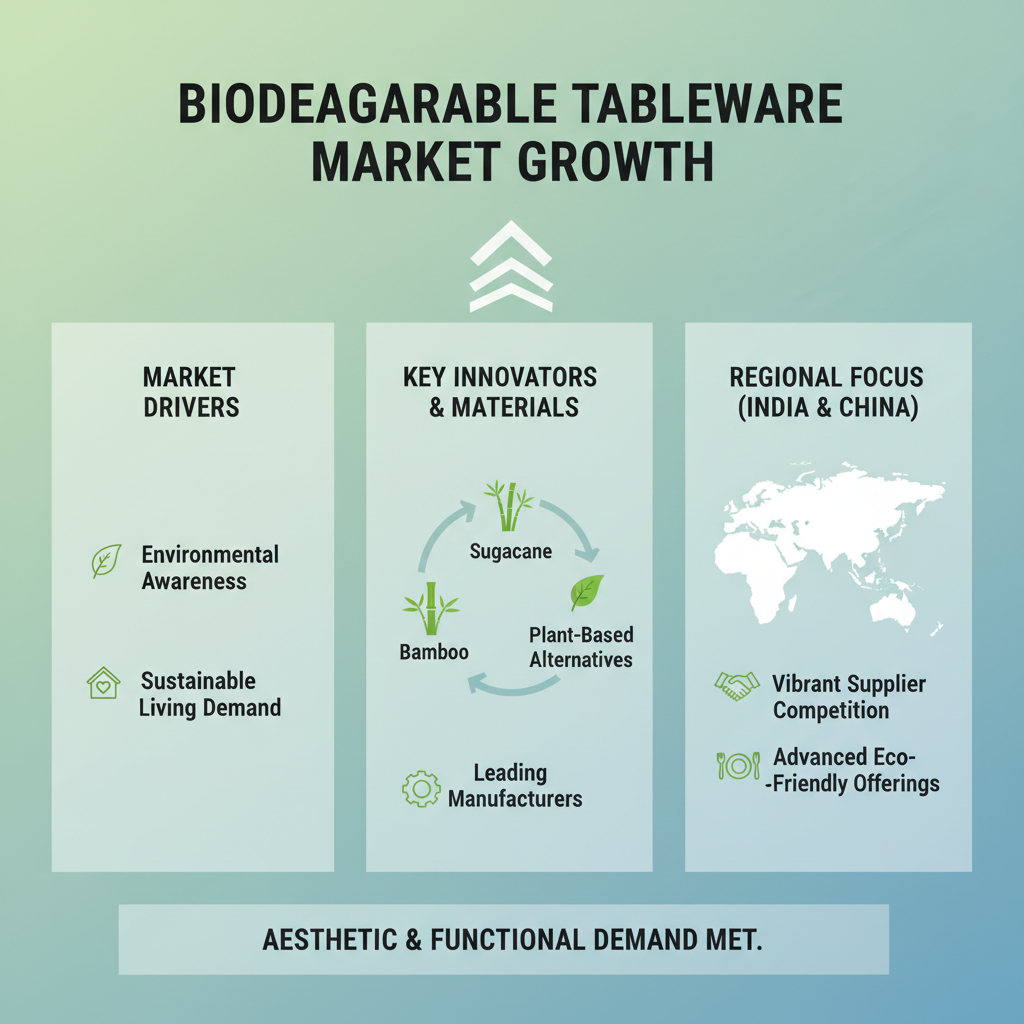
The biodegradable tableware market is experiencing significant growth, driven by increasing consumer awareness of environmental issues and the demand for sustainable living. Key manufacturers are at the forefront, innovating with materials such as bamboo, sugarcane, and other plant-based alternatives. In regions like India and China, the focus on eco-friendly kitchenware is creating a vibrant competition among suppliers, leading to advanced biodegradable product offerings that meet both aesthetic and functional demands.
Tips: When choosing biodegradable tableware, look for certifications that verify the product's compostability and environmental impact. Consider local manufacturers to reduce transportation emissions and support the local economy.
As the market evolves, companies are leveraging technology to enhance their operations. Artificial intelligence plays a pivotal role in streamlining processes such as marketing and supply chain management, enabling manufacturers to scale production efficiently while maintaining commitment to sustainability.
Tips: Stay updated on industry trends by following reputable sustainability reports and market analyses. Engaging with brands on social media can provide insights into their practices and new product lines.
Regulatory Changes Impacting the Biodegradable Products Industry
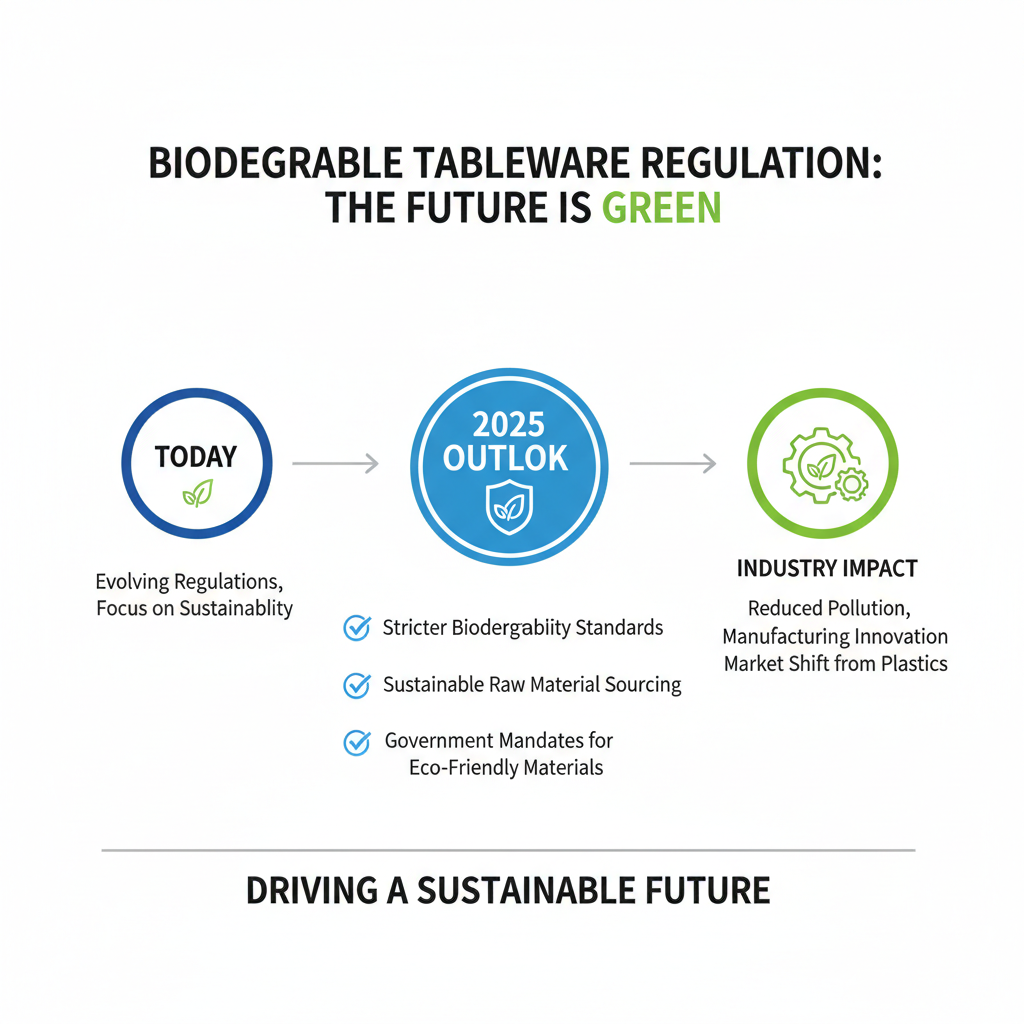
The regulatory landscape surrounding biodegradable products is evolving rapidly, significantly impacting the tableware industry. In 2025, stricter guidelines will likely emerge, focusing on biodegradability standards and the sourcing of raw materials. Governments are increasingly prioritizing sustainable practices and are likely to enforce laws that promote the use of biodegradable materials over traditional plastics. These regulations aim to reduce environmental pollution and encourage manufacturers to adopt greener practices, driving innovation within the biodegradable tableware sector.
In addition to stricter regulations, incentives for businesses that comply with sustainability standards may become prevalent. For instance, tax breaks or grants could support companies investing in biodegradable alternatives. This shift will not only push manufacturers to rethink their supply chains but could also lead to partnerships between governments and producers to foster sustainable practices. Consequently, as regulatory changes take center stage in shaping the biodegradable products industry, consumers can anticipate a broader range of eco-friendly tableware options that align with their values for sustainable living.
Technological Advances Enhancing Sustainability in Tableware Production
As the demand for sustainable living solutions continues to rise, the tableware industry is witnessing significant technological advances that enhance sustainability in production. According to a recent report by the Biodegradable Products Institute, the global biodegradable tableware market is anticipated to reach USD 14.88 billion by 2025, growing at a compound annual growth rate (CAGR) of 10.7% from 2020. This surge is largely attributed to innovations in materials, such as the development of plant-based bioplastics that not only reduce reliance on fossil fuels but also decompose more efficiently than traditional plastics.
Moreover, advancements in manufacturing processes are playing a crucial role. Techniques such as injection molding and 3D printing have become more eco-friendly, utilizing energy-efficient machinery and minimizing waste. A 2022 report by Smithers Pira highlights that nearly 75% of industry leaders are investing in cleaner technologies to bolster production efficiency and environmental impact. These innovations ensure that biodegradable tableware products not only meet consumer expectations for sustainability but also align with global environmental regulations, making them a viable alternative for eco-conscious businesses and individuals alike.