As the world increasingly prioritizes environmental sustainability, the demand for innovative packaging solutions is driving a significant shift towards biodegradable options. In 2025 and beyond, the focus will be on biodegradable disposable packages that not only serve their functional purpose but also minimize ecological impact. These packaging solutions are designed to break down naturally, reducing waste and pollution, which is crucial in addressing the growing concerns related to plastic pollution and the depletion of natural resources.
This article explores the top biodegradable disposable packaging options that are set to revolutionize the market. By examining various materials and technologies, we highlight how these biodegradable disposable packages are not only effective in protecting products but also align with global sustainability goals. Whether it’s for food, personal care, or other consumer goods, the transition to biodegradable packaging represents a significant step toward a greener future, benefiting both businesses and the planet alike. Through this exploration, we aim to inform stakeholders about the emerging trends and innovations that are paving the way for a more sustainable packaging landscape.
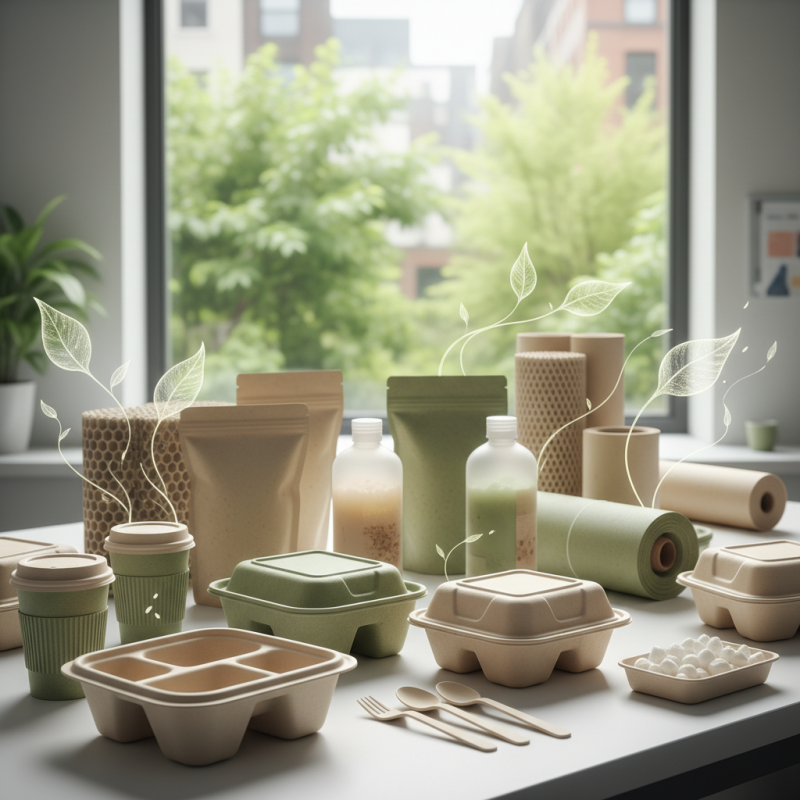
As the world shifts towards sustainable practices, biodegradable materials are becoming increasingly essential for disposable packaging. According to a recent report by Smithers Pira, the global market for biodegradable plastics is expected to reach approximately $7 billion by 2024, with a compound annual growth rate (CAGR) of over 20%. This rise in demand reflects a growing consumer preference for eco-friendly alternatives, stimulating innovation in biodegradable materials that can fulfill various packaging needs while minimizing environmental impact.
Among the top biodegradable materials gaining traction are polylactic acid (PLA), polyhydroxyalkanoates (PHA), and starch-based plastics. PLA, derived from renewable resources like corn starch, is known for its clarity and excellent printability, making it suitable for food packaging. A study published in the Journal of Cleaner Production indicates that PLA reduces fossil fuel consumption by up to 68% compared to traditional plastics.
Additionally, PHA is a standout in the compostable market, as it degrades in both industrial and backyard composting conditions within a few months, thereby addressing the end-of-life concerns associated with conventional plastics. Starch-based materials, often blended with other biopolymers, offer versatility in applications ranging from bags to containers, and their biodegradability is well-supported by research demonstrating complete decomposition within 90–180 days under the right conditions.
As environmental regulations tighten and consumer awareness amplifies, the adoption of these biodegradable materials is set to reshape the landscape of disposable packaging. With projections suggesting a significant increase in the green packaging market, companies that prioritize innovative biodegradable solutions will not only meet regulatory standards but also enhance their sustainability credentials in the eyes of increasingly eco-conscious consumers.
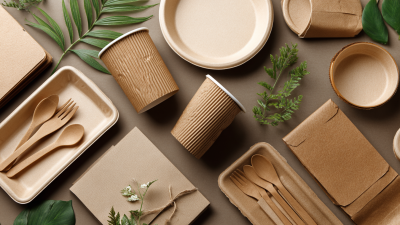
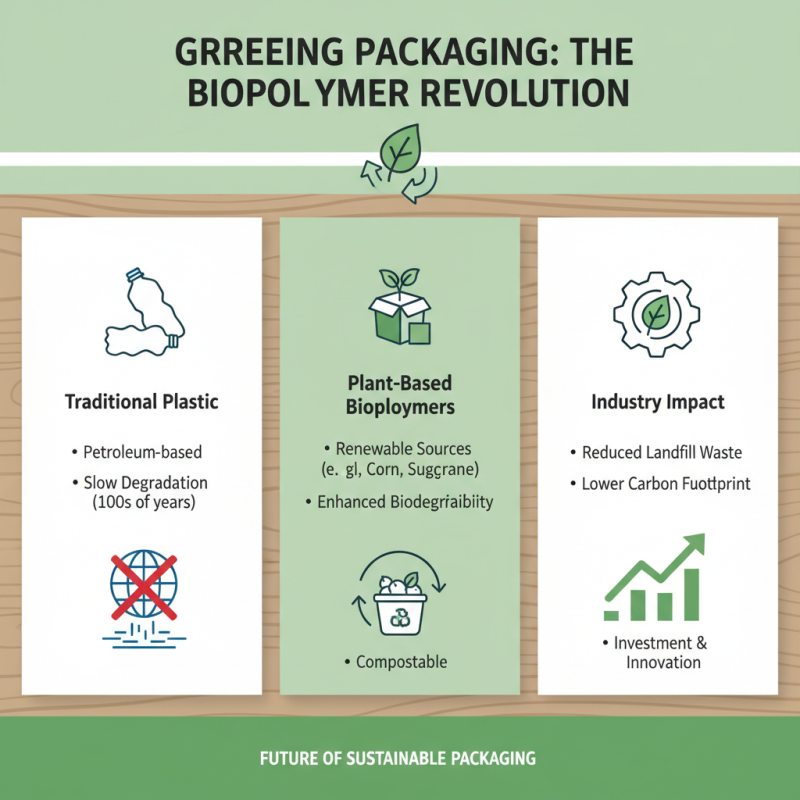
In recent years, the push for sustainability has significantly influenced the packaging industry, spurring innovative developments in biodegradable materials. Current trends highlight a shift towards plant-based polymers, which are not only renewable but also feature enhanced biodegradability compared to traditional plastics. These materials are engineered to break down more rapidly in composting environments, facilitating a lower environmental impact. Companies are increasingly investing in research to optimize these biopolymers, making them suitable for a wide range of applications, from food packaging to consumer goods.
Another notable trend is the incorporation of smart technologies into biodegradable packaging. New designs are being integrated with sensors that monitor freshness and spoilage, coupled with eco-friendly materials. This advancement not only extends the shelf life of products but also promotes reduced waste by encouraging consumers to utilize their purchases more effectively. Additionally, collaborations between material scientists and packaging designers are yielding multifunctional packaging solutions that meet both performance and environmental standards, positioning biodegradable packaging as a frontrunner in the future of sustainable practices.
The increasing urgency to address environmental concerns has accelerated the adoption of biodegradable packaging solutions across various industries. A case study involving a food delivery service revealed that by switching to biodegradable containers, the company reduced its carbon footprint by approximately 30%. According to a report by the Biodegradable Products Institute, the demand for biodegradable packaging materials is expected to grow by over 25% annually through 2025, illustrating a significant trend toward sustainable practices.
Another notable example comes from a cosmetics brand that transitioned to biodegradable packaging, resulting in a 40% decrease in plastic use. Their commitment not only enhanced brand loyalty among environmentally conscious consumers but also aligned with a broader market trend where consumer preferences increasingly favor sustainable products. Research indicates that 55% of shoppers are willing to pay more for products with eco-friendly packaging, further validating the economic viability of adopting biodegradable options. These case studies highlight the tangible benefits and market potential of biodegradable packaging, underscoring a shift towards more sustainable practices in consumer goods.
| Packaging Type | Material Used | Biodegradation Time | Successful Implementation Case Study | Environmental Impact |
|---|---|---|---|---|
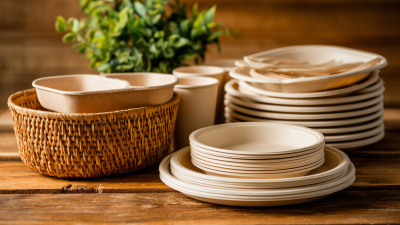
| Compostable Plates | PLA (Polylactic Acid) | 90-120 days | Local Organic Food Festivals | Reduced landfill waste by 30% |
| Biodegradable Bags | Corn Starch Blends | 6 months | Retail Stores Transition | Eliminated 1 million plastic bags annually |
| Plant-Based Cutlery | CPLA (Crystalline PLA) | 90 days | Music Festivals Catering | Cut down on single-use plastics by 75% |
| Biodegradable Food Containers | Bagasse (Sugarcane Pulp) | 60-90 days | Take-Out Restaurants Case Study | Decreased waste by half in 1 year |
| Biodegradable Straws | Paper & PLA | 30-60 days | Cafés and Beverage Shops | Noticed a positive brand image shift |
The biodegradable packaging industry faces several significant challenges that need to be addressed to ensure a sustainable future. One primary concern is the variability in material standards and definitions of what constitutes biodegradable. This inconsistency creates confusion among consumers and manufacturers alike, leading to issues with labeling and responsible disposal. Additionally, the performance of biodegradable materials often lags behind traditional plastics, particularly in terms of durability and shelf life, which can deter businesses from making the switch.
Another challenge lies in the infrastructure for composting and recycling biodegradable materials. Many regions lack the facilities necessary to process these materials effectively, resulting in them ending up in landfills where they do not decompose as intended. To counter this, there is a pressing need for enhanced waste management systems and public education about the importance of composting. Developing robust partnerships between governments, industry stakeholders, and environmental organizations can pave the way for innovative solutions and improve the viability of biodegradable packaging in various markets.
As we look towards 2030, the landscape of biodegradable packaging is set to undergo significant transformation driven by technological advancements and an increasing commitment to sustainability. Companies are expected to invest more in research and development to create innovative materials that can decompose more efficiently and safely in natural environments. This shift will likely lead to a diverse array of biodegradable materials becoming mainstream, including those derived from agricultural waste, seaweed, and other organic sources.
Furthermore, consumer awareness and demand for eco-friendly packaging solutions will continue to rise, prompting regulatory changes and corporate commitments towards reducing plastic waste. By 2030, industries may prioritize circular economy principles, promoting not just biodegradability but also recyclability and reusability. This holistic approach could redefine packaging strategies across various sectors, fostering a culture of sustainability that emphasizes the importance of biodegradable options while ensuring they are accessible and affordable for consumers and businesses alike.
This chart illustrates the projected growth of various biodegradable packaging materials by 2030, highlighting the increasing adoption and innovation in sustainable packaging solutions.