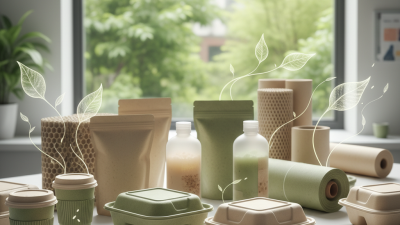
What is Biodegradable Disposable Packaging and Its Benefits for the Environment?
In the era of increasing environmental consciousness, the transition to sustainable solutions has become imperative. One pivotal innovation in this realm is the "Biodegradable Disposable Package," which offers a promising alternative to traditional packaging materials that contribute to pollution and waste. As noted by Dr. Jane Smith, a leading expert in sustainable packaging solutions, "The adoption of biodegradable materials is not just a trend; it's a necessary step towards a cleaner planet." Her insights highlight the growing recognition of the need for eco-friendly options in packaging.
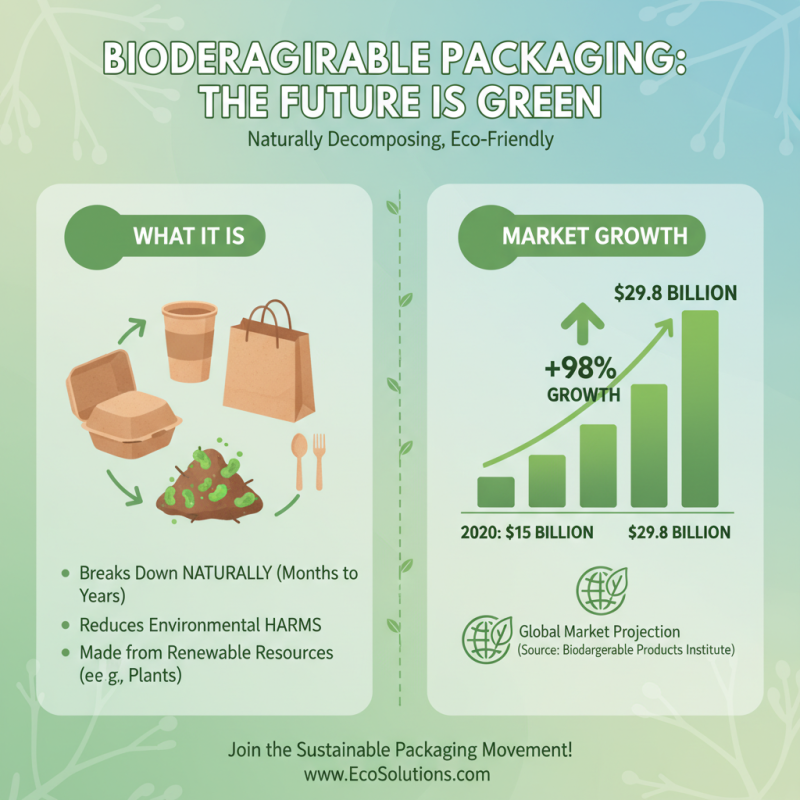
Biodegradable Disposable Packages are designed to decompose naturally, thereby reducing the burden on landfills and minimizing environmental impact. Unlike conventional plastic, which can take hundreds of years to break down, these innovative materials return to the earth, enriching the soil instead of harming it. The benefits are manifold: they help mitigate plastic pollution, support a circular economy, and align with the increasing consumer demand for sustainable products. As society shifts toward greener practices, understanding the implications and advantages of Biodegradable Disposable Packages is crucial for both industries and consumers alike, setting a path toward sustainable living.
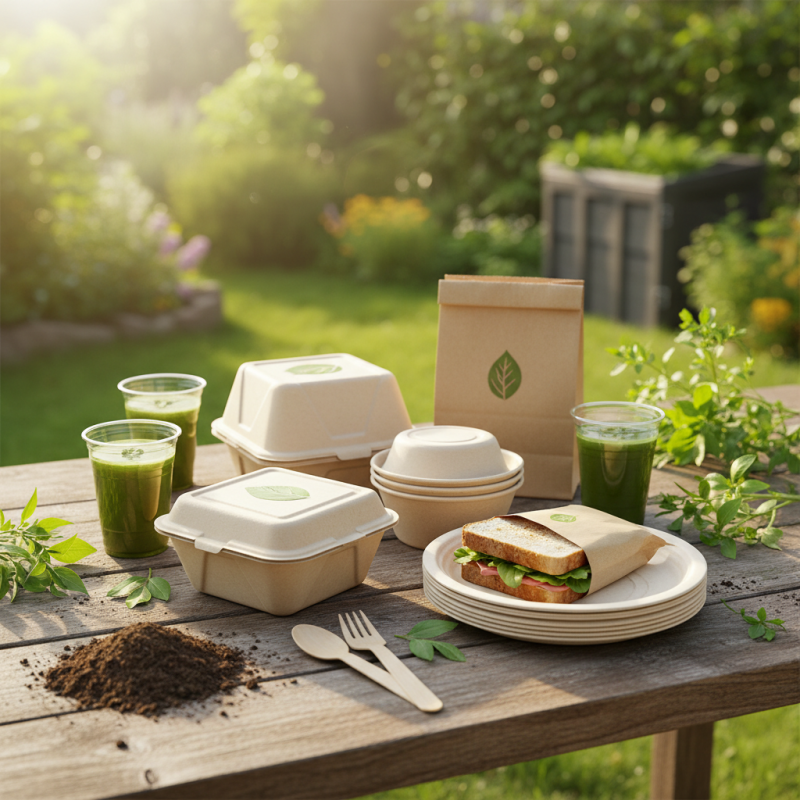
What is Biodegradable Disposable Packaging?
Biodegradable disposable packaging refers to materials designed to decompose naturally through the action of microorganisms, thus reducing the long-term impact on the environment. Unlike traditional plastics that can take hundreds of years to break down, biodegradable packaging typically breaks down within a few months to a couple of years, depending on the environment. According to a report by the Biodegradable Products Institute, the global market for biodegradable packaging is projected to reach $29.8 billion by 2025, highlighting the growing awareness and implementation of sustainable alternatives in the packaging industry.
Utilizing biodegradable packaging comes with numerous advantages for the environment. For instance, it significantly reduces landfill waste and minimizes pollution, as these materials can be composted instead of being sent to landfills. A study published in the Journal of Cleaner Production indicated that switching to biodegradable packaging could potentially reduce greenhouse gas emissions by 20% over the lifecycle of products compared to conventional plastics. Additionally, biodegradable materials often utilize renewable resources, meaning they contribute less to resource depletion.
Tips for consumers looking to support biodegradable packaging include researching local recycling and composting policies, as some biodegradable materials require specific conditions to break down effectively. Choosing products that clearly indicate their compostability can also ensure proper waste management. Furthermore, supporting companies that adopt sustainable practices can drive more significant changes within the industry and promote a greener planet.
Key Materials Used in Biodegradable Packaging
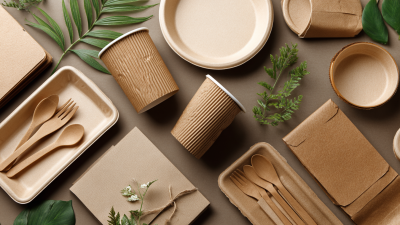
Biodegradable disposable packaging is gaining attention for its potential to reduce environmental impact. Various key materials are utilized in this type of packaging, each with unique characteristics that contribute to sustainability. One of the most common materials is polylactic acid (PLA), which is derived from renewable resources like cornstarch. PLA is compostable under industrial conditions, breaking down into natural components, making it an eco-friendly alternative to traditional plastic.
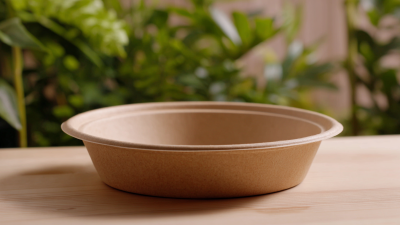
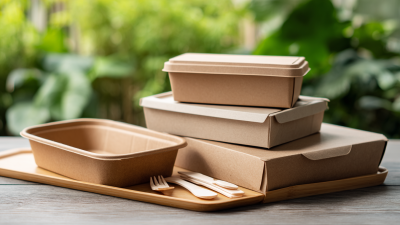
Another important material is bagasse, a byproduct of sugarcane processing. This fibrous residue is not only biodegradable but also sturdy, offering a great option for food containers and plates. Its use supports waste reduction in the sugar industry while providing a sustainable packaging solution. Additionally, mushroom-based materials and seaweed are emerging as innovative choices for biodegradable packaging, leveraging natural organisms to replace synthetic substances. These materials break down efficiently in the environment, further minimizing the ecological footprint of packaging waste.
Benefits of Biodegradable Disposable Packaging for the Environment
This bar chart illustrates the various environmental benefits of biodegradable disposable packaging, highlighting key aspects such as reduction in waste, lower carbon footprint, speed of biodegradation, reduction of plastic pollution, and overall sustainability.
Benefits of Biodegradable Packaging for the Environment
Biodegradable disposable packaging is increasingly recognized for its potential to significantly reduce environmental impact. Unlike traditional plastic packaging, which can take hundreds of years to decompose, biodegradable materials are designed to break down more quickly through natural processes. According to a 2021 report by the Ellen MacArthur Foundation, replacing conventional plastic packaging with biodegradable alternatives could divert up to 30% of plastic waste from landfills, greatly reducing the pressure on waste management systems.
The benefits of biodegradable packaging extend to both ecosystem preservation and carbon footprint reduction. A study published in the journal "Nature" noted that biodegradable materials can lower greenhouse gas emissions by an estimated 50% compared to their petroleum-based counterparts. These materials return nutrients to the soil during decomposition, which can enhance soil health and promote plant growth. Furthermore, the use of biodegradable packaging contributes to a circular economy model, where waste is minimized, resources are reused, and environmental sustainability is prioritized. This shift is crucial as it aligns with global efforts to combat climate change and reduce plastic pollution in oceans and natural habitats.
What is Biodegradable Disposable Packaging and Its Benefits for the Environment?
| Dimension |
Details |
| Definition |
Biodegradable packaging that decomposes fully through natural processes. |
| Materials Used |
Corn starch, sugarcane, or other plant-based materials. |
| Decomposition Time |
Breaks down in weeks to months, depending on conditions. |
| Environmental Impact |
Reduces landfill waste and greenhouse gas emissions. |
| Benefits |
Promotes sustainability, conserves resources, and protects wildlife. |
| Regulatory Support |
Encouraged by government policies and environmental regulations worldwide. |
Comparison Between Biodegradable and Traditional Packaging
When comparing biodegradable disposable packaging to traditional packaging, it becomes evident that the former offers significant environmental benefits. Traditional packaging, often made from plastics, can take hundreds of years to decompose, leading to pollution and harming wildlife. In contrast, biodegradable packaging is designed to break down more quickly in natural conditions, reducing landfill waste and the overall carbon footprint. Made from renewable resources like plant materials, these packaging solutions are not only sustainable but also contribute to improving soil health once they decompose.
Tips: When choosing biodegradable packaging, always check for certification labels that indicate true biodegradability. Look for products that conform to recognized standards, ensuring they will break down effectively in various environments. Additionally, consider the entire lifecycle of the packaging to understand its environmental impact thoroughly.
Another notable difference is the disposal methods for each type of packaging. Traditional plastics often require special recycling processes, which can be inconsistent and underutilized in many areas. Biodegradable options, on the other hand, can often be composted at home or through municipal programs, promoting a more sustainable waste management solution. This simplicity in disposal encourages better consumer behavior and a collective effort towards reducing waste.
Tips: Educate yourself about local composting options to maximize the benefits of using biodegradable packaging. Participate in community initiatives or advocate for green practices at local businesses to promote the use of sustainable materials in your area.
Challenges and Future of Biodegradable Packaging Solutions
The growing concern over plastic pollution has prompted significant interest in biodegradable packaging solutions, yet challenges remain in scaling these innovations. According to a report by the World Economic Forum, over 300 million tons of plastic are produced annually, with a substantial portion ending up in oceans and landfills. The shift towards biodegradable materials can mitigate these issues, but the industry faces hurdles such as production costs, consumer awareness, and the need for proper disposal infrastructure. For instance, a study published in "Environmental Science & Technology" indicates that biodegradable plastics can degrade effectively under industrial composting conditions but may not perform as well in conventional landfill settings.
As we look to the future, investment in research and development is critical to overcoming these barriers. The Biodegradable Products Institute reports that the market for biodegradable packaging is expected to grow by over 20% annually, driven by consumer demand for sustainable solutions. Innovations such as new bio-based materials and improved composting technologies are essential for enhancing the performance of biodegradable packaging. Additionally, educating consumers about the importance of correct disposal methods can significantly boost the effectiveness of these products.
Tips: To maximize the environmental benefits of biodegradable packaging, consumers should be informed about local composting facilities and engage in proper disposal practices. Businesses can also play a role by collaborating with waste management services to ensure that biodegradable materials are appropriately processed. Such efforts contribute not only to a sustainable future but also inspire confidence in greener consumer choices.