10 Best Eco Friendly Pulp Box Options for Sustainable Packaging?
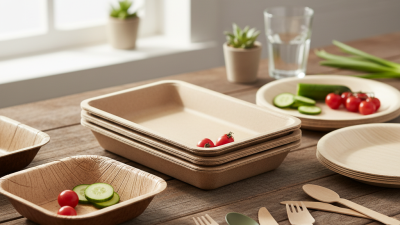
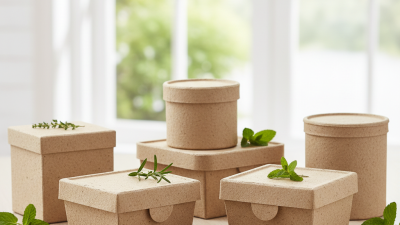
In today's world, sustainability is more than a trend; it's a necessity. The demand for Eco Friendly Pulp Box solutions is rising. These boxes are made from recycled materials and are biodegradable. They offer a practical alternative to conventional plastic packaging.
Choosing eco-friendly options is crucial for reducing environmental impact. The right Eco Friendly Pulp Box can minimize waste and pollution. Many companies are now prioritizing sustainability in their packaging choices. However, not all pulp boxes are created equal. Some may not meet durability standards, which can lead to product damage. It’s vital to assess quality before making a selection.
Sustainability should not come at the expense of functionality. Finding the balance between eco-friendliness and performance is challenging. As consumers, we must demand better solutions. By understanding the best eco-friendly options available, we can make informed choices. Supporting brands that prioritize eco-friendly practices leads to a healthier planet.
Benefits of Using Eco-Friendly Pulp Boxes for Sustainable Packaging
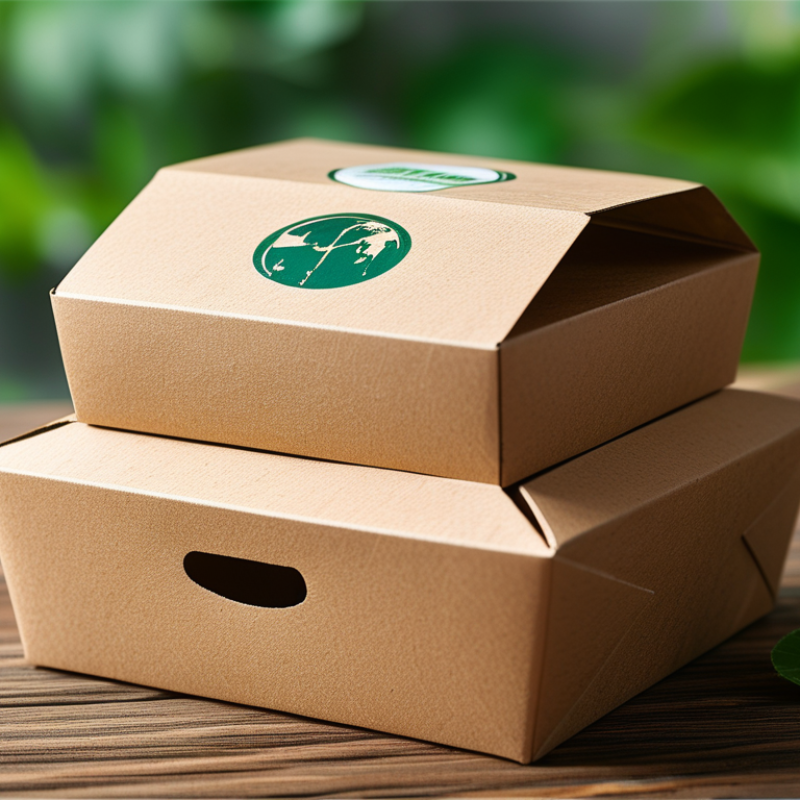
Eco-friendly pulp boxes are an essential component of sustainable packaging. These boxes are made from natural fibers, often recycled paper products, which contribute to reducing waste. According to a report by Smithers Pira, the global market for sustainable packaging is expected to reach $500 billion by 2027. This trend reflects a growing awareness of environmental issues among consumers.
Using eco-friendly pulp boxes presents significant benefits. They can biodegrade within months, unlike traditional plastic packaging, which may take centuries. A study found that about 30% of landfill waste consists of packaging materials. By choosing sustainable options, businesses can reduce their ecological footprint and resonate better with eco-conscious customers. Additionally, these boxes offer excellent protection for products, proving to be both functional and sustainable.
However, some companies may face challenges in transitioning to eco-friendly materials. Sourcing high-quality pulp can be difficult. Not all pulp is created equal; some may not meet the durability required for certain products. This presents an opportunity for development and improvement within the industry. Innovations in material processing and design could enhance the performance of these boxes, ensuring sustainability does not compromise quality.
Key Features to Look for in Sustainable Pulp Packaging Solutions
When selecting eco-friendly pulp packaging, several key features stand out. First, the source of the pulp is crucial. Sustainable pulp should come from responsibly managed forests or recycled materials. According to a 2022 industry report, around 80% of consumers prefer products made from recycled content. This reflects a growing consciousness around environmental impact and resource conservation.
Next, consider the biodegradability of the pulp packaging. A recent study indicated that biodegradable materials break down 60% faster than traditional plastics in landfill conditions. Additionally, packaging that is compostable adds value. It can return nutrients to the soil, enhancing agricultural productivity. This aligns with the circular economy model, where waste is minimized.
Another essential feature is the packaging’s ability to protect products. Effective pulp packaging should cushion items and prevent damage during shipping. Studies have shown that well-designed packaging reduces product losses by 30%. However, it’s important to balance protection with material usage to avoid excessive waste. Overall, these considerations are vital for ensuring that pulp packaging meets both economic and environmental goals.
Comparative Analysis of Leading Brands in Eco-Friendly Pulp Boxes
When exploring eco-friendly pulp boxes, it's essential to analyze leading brands carefully. The market offers various options, but not all are created equal. An effective pulp box should utilize renewable resources and reduce waste. Many brands claim sustainability, yet their practices may fall short once examined.
Some eco-friendly pulp boxes feature innovative designs that enhance functionality and durability. Others, however, lack the sturdy construction needed for protection during transit. Understanding the materials used is crucial. Some companies prioritize biodegradability, while others focus on recyclability. This choice can significantly impact the environmental footprint of their packaging.
It's important to assess the transparency of each brand regarding their sourcing and production processes. Brands with clear information tend to show greater commitment to sustainable practices. Conversely, vague claims often raise red flags. The analysis of these eco-friendly pulp boxes reveals a growing trend towards sustainable choices, but challenges remain. Reliable information and genuine efforts are vital as consumers seek to make informed decisions.
Statistics on Consumer Preference for Sustainable Packaging Solutions
Sustainable packaging solutions are gaining traction with consumers. Recent studies indicate that over 70% of shoppers prioritize eco-friendly options when making purchases. This shift in consumer preference impacts numerous industries, from food to cosmetics. Many now seek products in sustainable packaging, reflecting a growing awareness of environmental issues.
Multiple surveys reveal that consumers are willing to pay more for sustainable choices. A significant portion is ready to spend up to 10% extra for eco-friendly packaging. This willingness showcases how essential sustainability has become in today’s market. However, manufacturers face challenges in aligning their practices with consumer demands. The technology for producing eco-friendly materials is constantly evolving, leading to questions about affordability and accessibility.
There is room for improvement in both production and education about these options. While many consumers express a preference for sustainable packaging, few fully understand the benefits it brings. Awareness campaigns could help bridge this gap. Balancing consumer desires with industry capabilities is crucial for future growth in sustainable packaging. It suggests a need for innovation and cooperation among businesses to meet rising expectations effectively.
10 Best Eco Friendly Pulp Box Options for Sustainable Packaging
| Option |
Material Type |
Recyclable |
Compostable |
Consumer Preference (%) |
| Option 1 |
Recycled Paper Pulp |
Yes |
Yes |
75 |
| Option 2 |
Molded Pulp |
Yes |
Yes |
80 |
| Option 3 |
Bagasse |
Yes |
Yes |
68 |
| Option 4 |
Sugarcane Pulp |
Yes |
Yes |
70 |
| Option 5 |
Recycled Cardboard |
Yes |
No |
65 |
| Option 6 |
Bamboo Pulp |
Yes |
Yes |
72 |
| Option 7 |
Wheat Straw Pulp |
Yes |
Yes |
66 |
| Option 8 |
Cornstarch Pulp |
Yes |
Yes |
78 |
| Option 9 |
Coir Pulp |
Yes |
Yes |
74 |
| Option 10 |
Plant Fiber Pulp |
Yes |
Yes |
73 |
Regulatory Impact on the Adoption of Eco-Friendly Packaging in Industries
The adoption of eco-friendly packaging is heavily influenced by regulations. Governments worldwide are pushing for sustainable practices. Many industries must comply with stricter environmental laws. These laws encourage businesses to explore pulp box options. As a result, the demand for sustainable packaging solutions is rising.
However, not all companies are ready for these changes. Some face challenges with sourcing eco-friendly materials. Others struggle to alter their production processes. Compliance can be costly and time-consuming. It's crucial for businesses to adapt, but reflection on their strategies is needed. What works for one might not suit another.
In some regions, regulations are still lacking. This inconsistency creates confusion. Companies in those areas might hesitate to invest in eco-friendly options. The future of sustainable packaging relies on clearer guidelines. Only then can companies confidently embrace eco-friendly pulp boxes. A collective effort is necessary for meaningful progress.
10 Best Eco Friendly Pulp Box Options for Sustainable Packaging
This chart displays the sustainability scores of various eco-friendly pulp box options, illustrating their viability for sustainable packaging solutions. Higher scores indicate better environmentally friendly practices within each option.