Top 5 Best Degradable Takeout Box Solutions for Eco Friendly Dining?
As the demand for eco-friendly dining grows, Degradable Takeout Boxes have emerged as a vital solution. These boxes offer a way to enjoy meals without harming the environment. They break down more easily compared to traditional plastic containers, making them a favorable choice. However, not all degradable options are created equal. Consumers need to choose wisely.
Selecting the right Degradable Takeout Box involves understanding materials and their impacts. Some products claim to be eco-friendly but may not fully degrade in natural environments. Inspections are necessary to identify sustainable practices among brands. Furthermore, the convenience of takeout can sometimes overshadow environmental considerations. It is important to strike a balance.
In this exploration, we will highlight the top five degradable options. Each brand has its strengths and weaknesses. By examining these unique solutions, we hope to guide eco-conscious consumers towards informed choices. Together, we can make dining out a more sustainable experience.
Criteria for Evaluating Degradable Takeout Box Solutions
When evaluating degradable takeout box solutions, consider several key criteria. The material is crucial. Options like plant-based plastics or paper can minimize environmental harm. Look for boxes that break down within a reasonable timeframe. Some materials can take years to decompose. This delay affects landfills significantly.
Next, assess the packaging’s durability. A box that falls apart easily can lead to waste. Choose designs that hold up during transport. Compromised boxes create more mess and frustration. Additionally, consider the usability of these solutions. Features like heat-resistance and leak-proof designs enhance the dining experience. However, many products fall short. Some are not as user-friendly as advertised.
Finally, consider the sourcing of materials. Sustainable practices in production matter. Boxes made from responsibly sourced materials should be prioritized. This supports eco-friendly initiatives, but many brands still struggle to meet these standards. Reflection on these criteria helps guide conscientious choices.
Top 5 Best Degradable Takeout Box Solutions for Eco Friendly Dining
Overview of Biodegradable Materials Used in Takeout Boxes
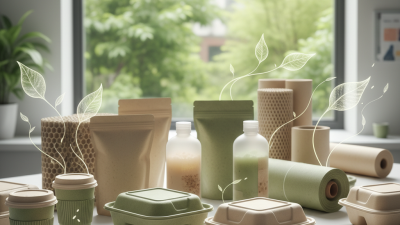
In recent years, the demand for eco-friendly dining solutions has surged. Biodegradable materials have emerged as the preferred choice for takeout boxes. These materials typically break down within a few months under the right conditions, unlike traditional plastics that can linger for centuries.
Cornstarch is a popular biodegradable material. It is derived from corn and can be molded into various shapes. Additionally, paper-based options coated with plant-based compounds provide a sturdy alternative. According to the 2022 Biodegradable Packaging Report, around 45% of packaging manufacturers are now offering biodegradable options. This shift reflects increasing consumer awareness about the environmental impact of takeout containers.
Despite these advancements, challenges remain. Not all biodegradable materials decompose effectively in every environment. For instance, many require industrial composting facilities. The lack of widespread composting infrastructure can hinder the overall effectiveness of these products. A recent study highlighted that only 15% of consumers understand the difference between biodegradable and compostable materials. This gap in knowledge contributes to the ongoing waste crisis. It emphasizes a need for better education around eco-friendly practices.
Top 5 Degradable Takeout Box Options for Eco-Friendly Dining
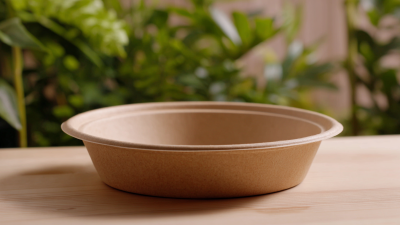
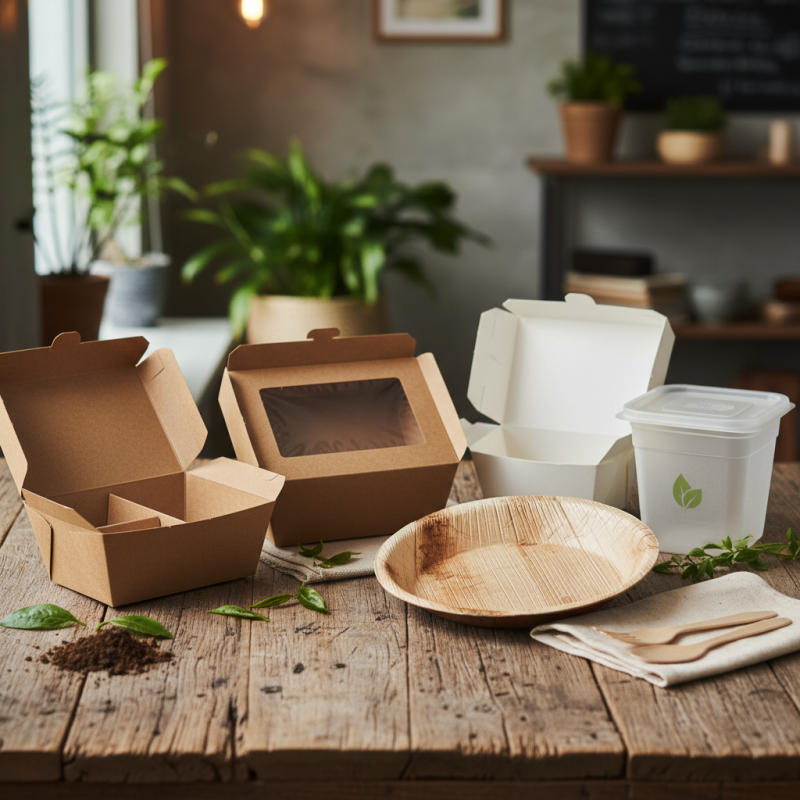
In the quest for eco-friendly dining, degradable takeout boxes emerge as a viable solution. These boxes are made from natural materials like sugarcane, bamboo, or cornstarch. Their design promotes sustainability, catering to the growing need for environmentally responsible choices. They decompose over time, reducing landfill waste.
However, not all options are created equal. Some degradable boxes may take longer to break down than others. This can lead to a false sense of security regarding their environmental impact. It’s essential to check local composting facilities to see if they accept these materials. Misplaced items often find their way into landfills, defeating their purpose.
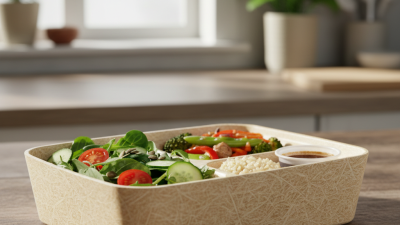
When choosing the right option, look for those certified as compostable. Visuals can also help you make a decision—compatibility with various foods matters. Some takeout boxes leak or lose structure with certain dishes. Finding the right balance between utility and sustainability can be challenging. It's a new era, and we’re still learning about the best practices.
Top 5 Degradable Takeout Box Solutions for Eco-Friendly Dining
| Option |
Material |
Degradability |
Capacity (ml) |
Price ($) |
| Biodegradable PLA Box |
PLA (Polylactic Acid) |
Compostable in 60-90 days |
500 |
0.30 |
| Sugarcane Bagasse Container |
Sugarcane Pulp |
Compostable in 30-60 days |
650 |
0.25 |
| Palm Leaf Plate |
Palm Leaves |
Compostable in 90 days |
300 |
0.35 |
| Cardboard Takeout Box |
Recycled Cardboard |
Recyclable and Compostable |
700 |
0.20 |
| Bamboo Container |
Bamboo Fiber |
Compostable in 180 days |
400 |
0.45 |
Benefits of Using Degradable Takeout Boxes for Sustainability
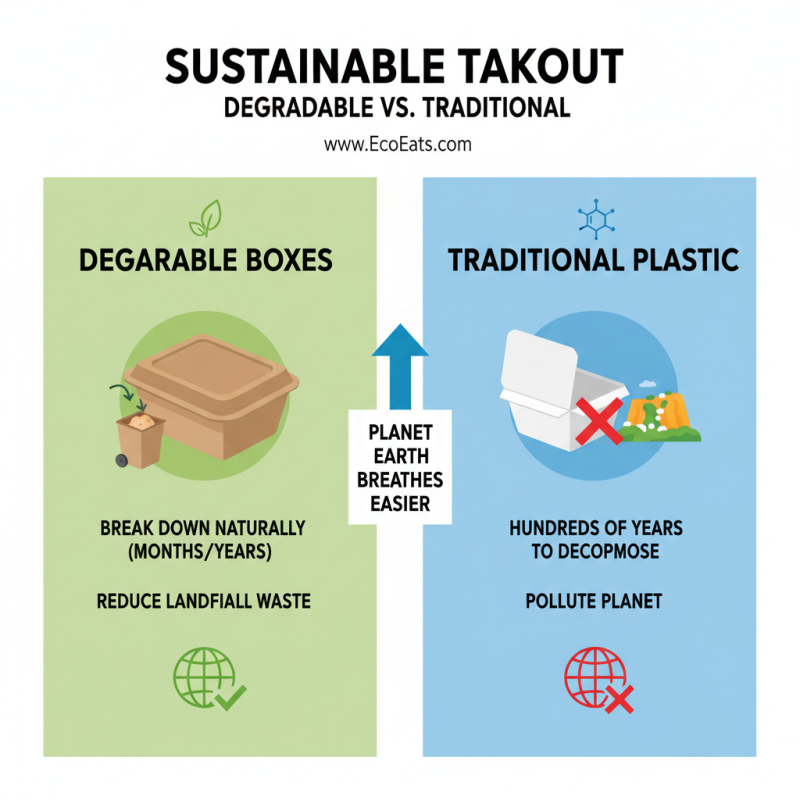
Degradable takeout boxes offer essential benefits for sustainability. They break down naturally, reducing landfill waste. Traditional plastic can take hundreds of years to decompose. In contrast, degradable options can decompose in months or years, depending on conditions. This speed helps our planet breathe a little easier.
Using degradable boxes also supports a shift in consumer behavior. Many people are reconsidering their choices. They are more aware of the impact of waste. When restaurants provide eco-friendly options, it encourages customers to make better choices. These boxes can be made from materials like sugarcane or cornstarch. They reduce reliance on fossil fuels.
However, not all degradable boxes are created equal. Some may claim to be eco-friendly but do not fully decompose. It’s vital to research and ask questions. The industry is evolving, and transparency is crucial. Consumers must remain vigilant to ensure their choices genuinely contribute to sustainability. This awareness can lead to real change.
Comparative Analysis of Cost and Performance of Eco-Friendly Options
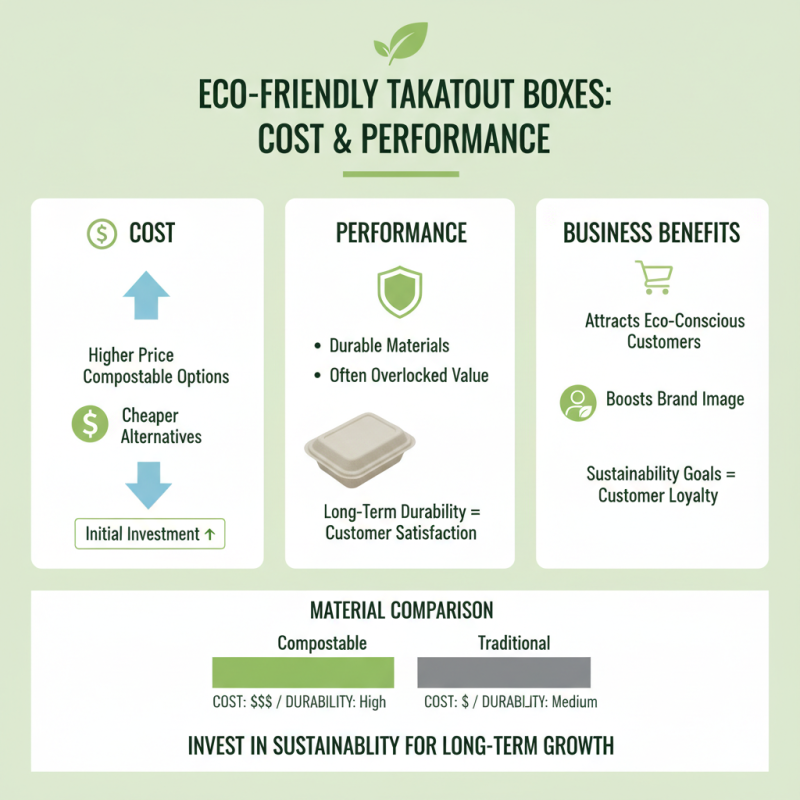
When considering eco-friendly takeout box solutions, cost and performance are key factors. Compostable options often come at a higher price than traditional boxes. Many sellers may overlook the value of durable materials. However, investing in sustainable packaging can attract eco-conscious customers. While it’s tempting to choose cheaper alternatives, this can hinder long-term sustainability goals.
For instance, some recyclable containers perform well but may not decompose effectively in certain environments. Others break down quickly but lack the sturdiness needed for hot meals. It's essential to evaluate how these materials interact with various foods. This can prevent leakage and preserve food quality. However, many businesses still struggle to find the right balance. The right choice often requires trial and error.
Environmental impact should never be disregarded for profit. Each option has its trade-offs, and businesses must weigh them carefully. Customer feedback is invaluable in this process. Do they prefer less plastic, even if it means a higher price? Not all companies have mastered this yet. Each step toward eco-friendly dining comes with lessons to be learned.