Best Biodegradable Disposable Package Options for Eco-Friendly Business?
In today's environmentally conscious market, businesses face increasing pressure to adopt sustainable practices. Among these practices, the use of Biodegradable Disposable Packages has emerged as a crucial solution. Industry expert Dr. Emily Harris states, “Switching to biodegradable options not only reduces waste but also appeals to eco-minded consumers.” Her insights highlight the potential for these packages to reshape business operations sustainably.
However, the transition to Biodegradable Disposable Packages is not without challenges. Many options vary in compostability and degradation rates, which can confuse businesses. Some packages, while labeled biodegradable, may not break down effectively in certain environments. This complicates the decision-making process for companies striving to be eco-friendly while ensuring product functionality.
Furthermore, cost remains a significant factor. Biodegradable alternatives can often be more expensive than traditional materials. This raises questions about pricing strategies and their impact on consumer behavior. Businesses must weigh the benefits of eco-friendliness against financial feasibility. Exploring these options thoughtfully can lead to more informed sustainability efforts, ultimately benefiting both the environment and the bottom line.
Understanding Biodegradable Materials for Packaging
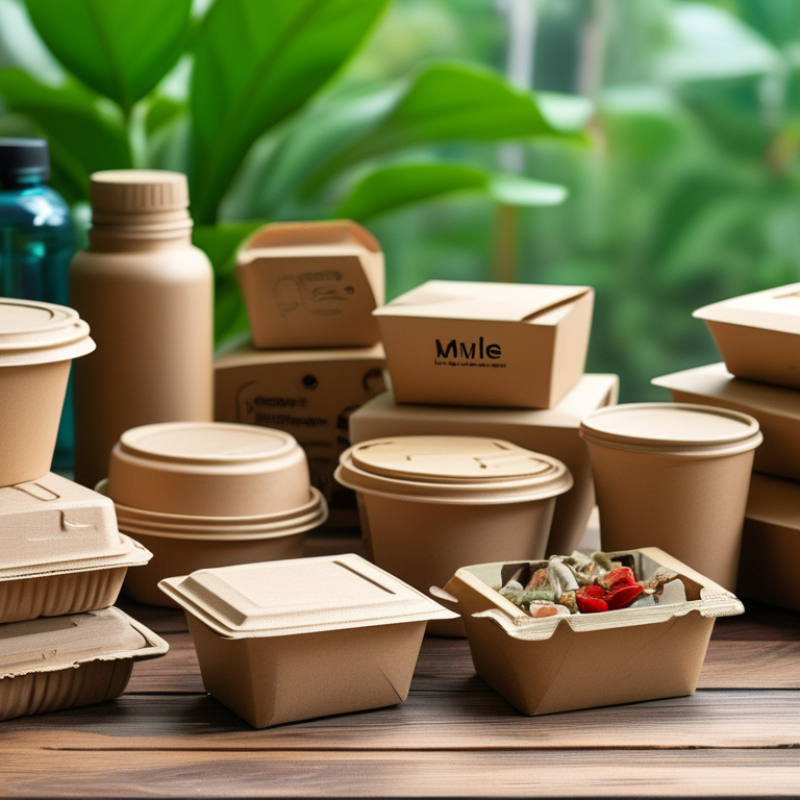
Biodegradable materials are becoming essential for eco-friendly packaging. These materials break down naturally, reducing waste. They often come from renewable sources like plants. For businesses, using biodegradable options reflects a commitment to sustainability.
Common biodegradable materials include PLA, made from corn starch, and wheat straw. These options perform well in various conditions. However, not all biodegradable products decompose easily. Some require specific environments, such as industrial composting facilities. This poses a challenge for businesses looking to make a genuine impact.
Choosing the right biodegradable packaging is complex. Many products may not deliver as promised. It's crucial to research and understand the lifecycle of these materials. For companies, transparency in sourcing and disposal methods is vital. Engage with suppliers to ensure reliability. Each step taken towards sustainability should be well-informed and thoughtful.
Best Biodegradable Disposable Package Options for Eco-Friendly Business
| Material Type |
Biodegradation Time |
Features |
Common Uses |
Recyclability |
| PLA (Polylactic Acid) |
60-90 days |
Made from corn starch, compostable, clear |
Food containers, cutlery, cups |
Compostable |
| Bagasse |
3-6 months |
Made from sugarcane pulp, sturdy |
Plates, bowls, containers |
Compostable |
| Kraft Paper |
2-5 months |
Recyclable, made from recycled material |
Wrapping, bags, boxes |
Recyclable |
| Paperboard |
6-12 months |
Lightweight, strong, made from wood fibers |
Food boxes, cartons, packaging |
Recyclable |
| Palm Leaf |
60-90 days |
Natural, rustic appearance, sturdy |
Plates, bowls, trays |
Compostable |
Types of Biodegradable Packaging Options Available
Biodegradable packaging options are gaining traction among eco-friendly businesses. These materials help reduce waste while providing functional solutions. Common biodegradable options include plant-based plastics, paper products, and compostable packaging.
Plant-based plastics, such as polylactic acid (PLA), break down into natural elements. They are made from renewable resources like corn or sugarcane. These options serve well for food packaging or disposable utensils. However, their decomposition often requires specific conditions, which can be a drawback.
Paper products, often made from recycled materials, offer another sustainable choice. They can be easily recycled after use, minimizing environmental impact. Yet, their durability may not match that of traditional plastics in certain applications. Compostable packaging made from starch or biopolymers also fits well in eco-friendly businesses. It will decompose in commercial composting facilities, but not all consumers have access to these services. Each option comes with pros and cons, pushing businesses to continually reassess their practices.
Best Biodegradable Disposable Package Options for Eco-Friendly Business
Benefits of Using Eco-Friendly Disposable Packages
Using eco-friendly disposable packages has become a pressing need for modern businesses. These packages break down naturally, reducing environmental impact. They protect our planet and meet growing consumer demand for sustainability. Businesses that adopt these practices are positioning themselves as responsible and innovative.
One significant advantage is waste reduction. Traditional plastics can sit in landfills for centuries. In contrast, biodegradable options can decompose within months. Their use aligns with eco-conscious branding, appealing to environmentally aware customers. Visible commitment to sustainability fosters customer loyalty. However, some businesses worry about cost. Eco-friendly materials can be more expensive upfront. Reflecting on production processes might reveal ways to offset these costs.
Another aspect to consider is sourcing. Finding truly biodegradable materials can be challenging. Many packages advertised as eco-friendly may still contain harmful additives. Collaborating with reliable suppliers is crucial. Transparency in sourcing builds trust. Companies must continue to learn and adapt to this evolving field. By embracing the journey, businesses can contribute to a greener future while attracting a dedicated clientele.
Considerations for Choosing Biodegradable Packaging
Choosing biodegradable packaging involves several considerations. The materials used must effectively break down without harming the environment. Common options include plant-based plastics made from cornstarch and recycled paper. These choices minimize waste while providing necessary functionality.
Tips for selecting the right biodegradable packaging: Start by assessing the product's needs. Consider the type of items being packaged. Fragile products require more sturdy options. Investigate the composting methods available in your area. Not all biodegradable materials decompose at the same rate. Certain items may need industrial composting facilities, which may not be locally available.
It’s essential to look closely at certifications. Labels indicating industry standards can guide your choice. Not all claims of biodegradability are equal. Some products may break down only in specific conditions. Keep in mind that consumer education is key. Engage customers about how to dispose of these materials responsibly. This awareness fosters an eco-friendly community. Balancing effectiveness and sustainability can be challenging. But the right choices make a notable difference.
Innovative Trends in Sustainable Packaging Solutions
In recent years, sustainable packaging has gained significant traction in the eco-friendly business sector. Companies are increasingly looking for innovative solutions that minimize environmental impact. One notable trend is the rise of compostable materials. These materials break down naturally, enriching the soil. Compostable plastics, made from plant-based sources, offer an effective alternative to traditional plastics. They provide similar functionality while reducing reliance on fossil fuels.
Another emerging trend is the use of mushrooms and seaweed as packaging materials. These natural options are biodegradable and often require minimal processing. They represent a shift from synthetic materials to renewable resources. Additionally, reusable packaging systems are becoming popular. Businesses are exploring ways to create cycles where packaging can be returned and reused efficiently. This approach not only cuts waste but also helps companies save money in the long run.
However, challenges remain. Many consumers are still unaware of biodegradable options or how to dispose of them correctly. Education on these matters is crucial for maximizing the benefits of sustainable packaging. Moreover, the production process for some eco-friendly materials can be resource-intensive. This leads to a need for ongoing evaluation and improvement in the supply chain. As businesses navigate these complexities, innovation in sustainable packaging will continue to evolve.