Best Biodegradable Crockery Options for Eco Friendly Dining?
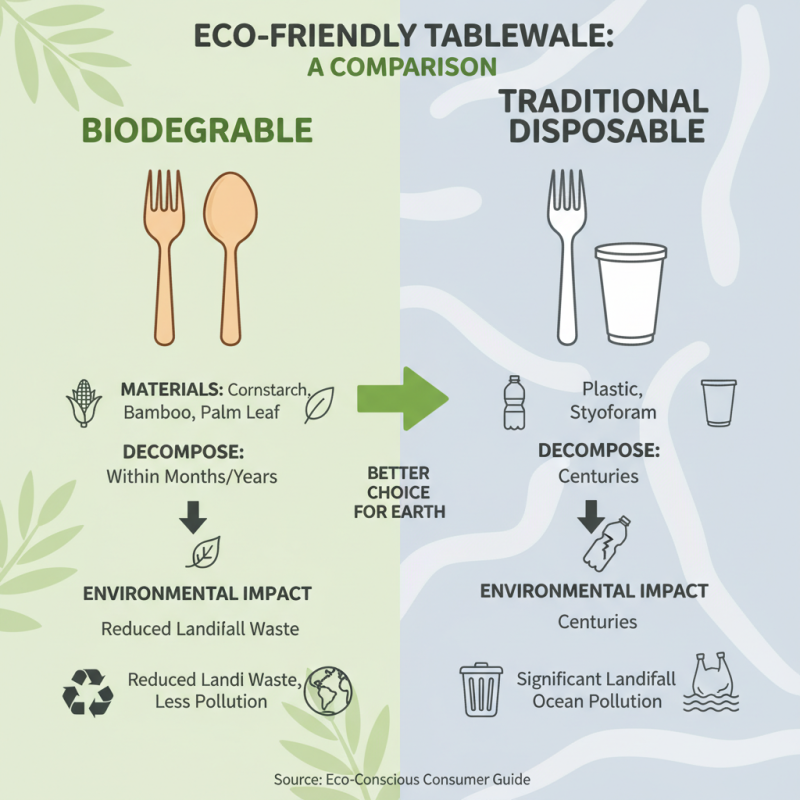
As the world increasingly prioritizes sustainability, the demand for biodegradable crockery in eco-friendly dining has surged. With a focus on reducing waste, many are exploring options that align with green values. Michael Green, a sustainability expert, emphasizes, “Switching to biodegradable crockery is a simple yet impactful choice.”
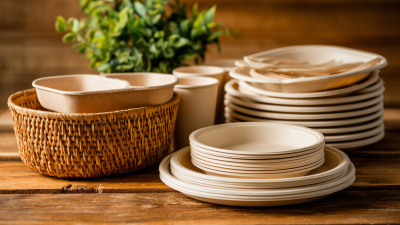
Biodegradable crockery helps minimize pollution and landfill waste. These products break down naturally, unlike traditional plastic plates. They are made from materials like palm leaves, sugarcane, and cornstarch, which are more environmentally friendly. Yet, not all biodegradable options are created equal. Some may take longer to decompose than advertised. Consumers must research brands to find truly sustainable choices.
It is also essential to consider practicality. While biodegradable crockery is ideal for one-time use events, it's not always the best option for regular dining. Strength, durability, and cost can vary significantly. The transition to these products requires careful thought. It’s crucial to reflect on our habits and choices for a more sustainable future.
Best Biodegradable Materials for Eco-Friendly Crockery: An Overview
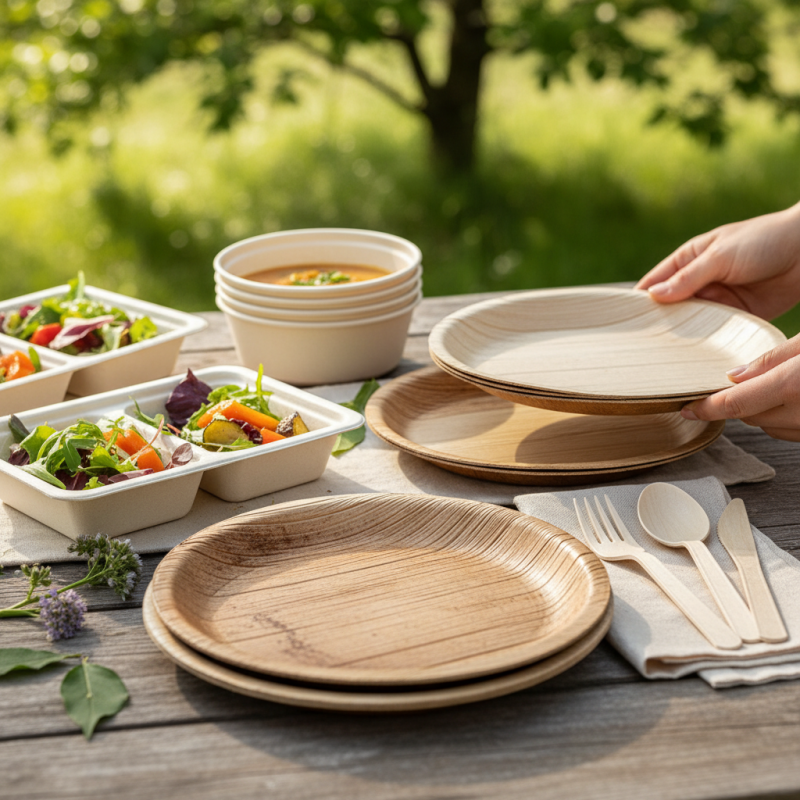
When it comes to eco-friendly dining, biodegradable crockery offers a sustainable alternative to traditional plastic. Many materials can break down naturally and reduce waste in landfills. One popular option is bagasse, made from sugarcane pulp. It’s sturdy and compostable but may not hold up as well with liquid-heavy foods.
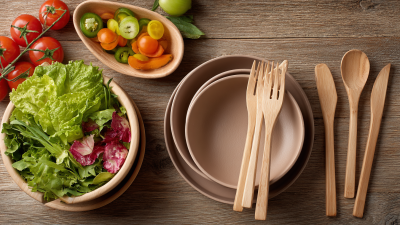
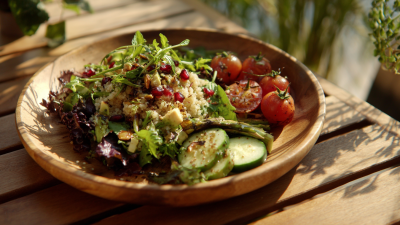
Another great choice is bamboo. It’s lightweight and durable, but not all bamboo products are created equal. Some may blend with plastics, so checking the source is important. Additionally, palm leaf plates are gaining attention. They’re unique and aesthetically pleasing, yet they can be more expensive than other options.
Using biodegradable materials has its challenges. They may not always provide the durability needed for every occasion. Consumers often wonder about the timeline for decomposition. Factors like moisture and temperature can affect how quickly these materials break down. Despite these hurdles, opting for biodegradable crockery is a step towards a greener lifestyle. It’s essential to balance accessibility with sustainability.
Market Trends in Biodegradable Crockery: Industry Growth and Demand
The market for biodegradable crockery is witnessing rapid growth. According to recent industry reports, the global biodegradable tableware market is projected to reach approximately $12 billion by 2027, growing at a compound annual growth rate (CAGR) of 7.4%. This surge reflects a rising demand for eco-friendly dining options. Consumers are increasingly aware of environmental issues. They prefer products that align with their values.
Many factors are driving this trend. Increased plastic waste is a significant concern. Traditional crockery adds to landfill problems. Biodegradable alternatives offer a solution. They break down naturally, reducing environmental impact. Reports indicate that around 30% of consumers are willing to pay more for sustainable products. This shift showcases a change in consumer behavior towards greener options.
Despite this positive landscape, challenges remain. The production of biodegradable materials can be costly. Some manufacturers struggle to scale up sustainably. There are concerns about the quality and durability of these products. In some cases, biodegradable options do not meet performance expectations. As the market grows, so do the inconsistencies in product offerings. Companies must innovate continuously to address these gaps. The future of biodegradable crockery hinges on balancing sustainability and quality.
Top Brands Offering Biodegradable Crockery Solutions in 2023
As environmental awareness rises, the demand for biodegradable crockery grows. In 2023, a significant shift is seen towards eco-friendly dining options. Research by the World Economic Forum indicates that single-use plastics can take up to 1,000 years to decompose. Thus, the need for biodegradable alternatives is urgent.
Various brands are now focusing on sustainable materials. For example, some use PLA (polylactic acid), made from cornstarch. This option can break down in commercial composting facilities within 90 days. While these products are gaining traction, there are still challenges. Some compostable items may not degrade in home composting settings. This creates a gap in consumer awareness.
In addition to PLA, other materials like bagasse and palm leaf are becoming popular. They offer durability and a natural look, which enhance the dining experience. However, sourcing these materials sustainably remains a concern. Not all brands prioritize ethical practices. As shoppers, we must reflect on our choices and seek transparency from producers.
The evolution towards biodegradable crockery reflects a collective effort to protect our planet.
Consumer Preferences: Insights on Eco-Friendly Dining Choices
As awareness of environmental issues grows, consumer preferences are shifting towards eco-friendly dining options. A recent survey by Eco-Consumer Insights found that 78% of diners prefer biodegradable crockery. This represents a significant change in food service practices. Many see eco-friendly choices as a reflection of their values.
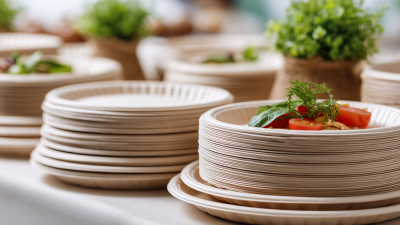
Understanding consumer preferences is crucial for restaurants and catering services. It's not just about being trendy. According to the Green Plate Report, 65% of consumers believe sustainable dining enhances their overall experience. There's a growing interest in materials like palm leaves and wheat straw. These options are gaining traction due to their compostable nature and lower carbon footprint.
Tips: Consider the packaging you use. Simple changes can have a big impact. For example, offer discounts for bringing reusable containers. Many people appreciate this effort. It fosters a community of eco-conscious diners. Not every option is perfect, of course. Some biodegradable products may not decompose effectively in certain environments. This shows the importance of research in making informed decisions. Balancing eco-friendliness with practicality is key.