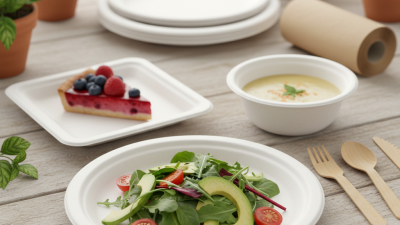
In recent years, the demand for eco-friendly products has surged, particularly for Compostable Tableware. Industry expert Dr. Emily Green, a sustainability specialist, states, "Choosing compostable options is crucial for reducing waste and promoting a healthier planet." This sentiment resonates deeply with environmentally conscious buyers, who are seeking alternatives to traditional disposable items.
Compostable Tableware offers a practical solution that aligns with green living principles. These products are made from natural materials, designed to break down safely, unlike plastic counterparts. This transformation not only minimizes landfill waste but also enriches the soil. Adopting compostable options can lead to significant environmental benefits.
However, there are challenges to consider. Awareness and education around compostable products are still growing. Many consumers may not fully understand the proper disposal methods. They risk compostable items ending up in regular trash. Addressing these issues is essential for maximizing compostable tableware's positive impact. By tackling these complexities, we move closer to a sustainable future for food service.
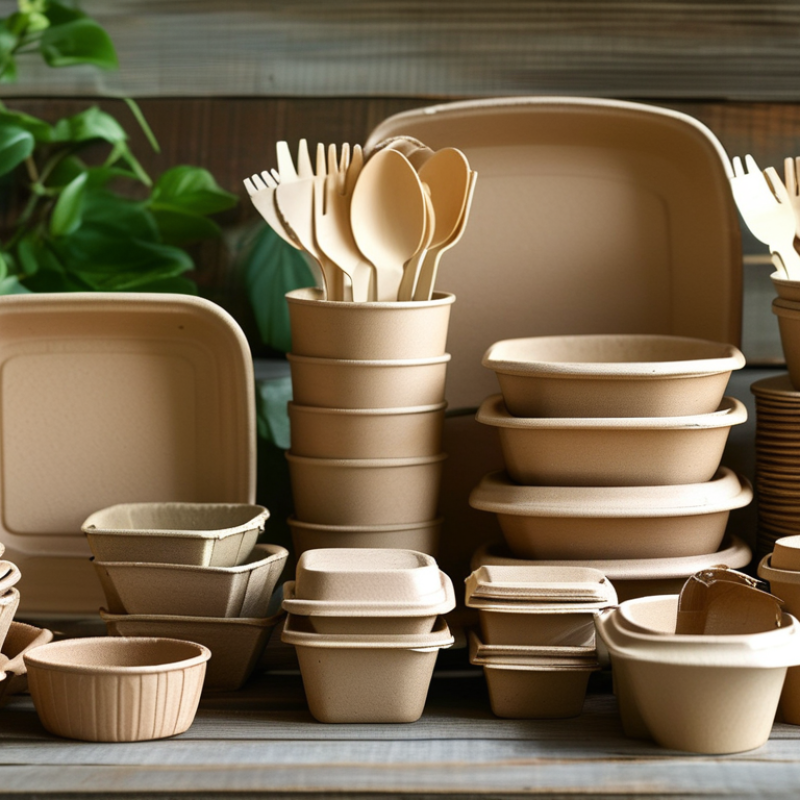
Compostable tableware is a game-changer for sustainable living. Eco-conscious buyers are increasingly choosing these products. They provide an excellent alternative to plastic. Made from natural materials, they break down in composting environments. This process enriches the soil rather than polluting it.
Using compostable tableware reduces our carbon footprint. Each time you opt for these products, you contribute to a healthier planet. They are sturdy and versatile for various occasions. From picnics to parties, they cater to a range of needs. However, awareness about their proper disposal is essential. Misleading labels can lead to waste in landfills.
In recent years, interest in compostable alternatives has surged. However, not all compostable items are created equal. This can lead to confusion for consumers. It’s vital to research certifications before purchasing. Understanding the lifecycle of materials can guide better choices. Embracing compostable tableware is a step toward a more sustainable future, but education remains crucial.
The environmental impact of compostable materials is a pressing concern for eco-conscious consumers. Unlike traditional plastics, compostable tableware breaks down naturally. This process enriches soil and reduces waste in landfills. In contrast, plastics can take centuries to decompose. They release harmful toxins during breakdown, which can threaten wildlife and ecosystems.
Compostable options, made from renewable resources, offer a more sustainable choice. They often require less energy to produce and can help reduce carbon footprints over time. However, it's crucial to note that not all compostable products decompose in home composting systems. Some may require industrial facilities for proper processing. While they are a better alternative, challenges still exist in infrastructure and consumer awareness.
Hesitations remain around disposal methods. Many consumers do not know how to dispose of these items correctly. Education is key in ensuring that compostable products fulfill their potential benefits. Composting can help create a circular economy, but we must address the gaps in knowledge and accessibility.
| Benefit | Description | Environmental Impact | Comparison to Plastics |
|---|---|---|---|
| Biodegradability | Compostable tableware breaks down naturally within a specific time frame. | Reduces landfill waste. | Plastics can take hundreds of years to decompose. |
| Reduced Carbon Footprint | Production of compostable materials often involves lower carbon emissions. | Better for the atmosphere. | Plastic production is highly energy-intensive. |
| Soil Enrichment | Compost improves soil health and fertility when tableware is composted. | Supports sustainable agriculture. | Plastics can harm soil biologically. |
| Consumer Awareness | Promotes eco-friendly practices among consumers. | Fosters sustainability consciousness. | Plastics are still conventionally accepted without concern. |
| Versatility | Available in various forms suitable for different occasions. | Meets diverse consumer needs. | Limited options in reusable plastics. |
| Healthier Option | No harmful chemicals leach into food. | Safer for human consumption. | Plastics may contain harmful substances. |
| Aesthetically Pleasing | Often designed to be visually appealing for events. | Enhances guest experience. | Plastic often looks unattractive and cheap. |
| Customization | Easier to brand and customize for businesses. | Encourages brand loyalty. | Limited customization options with plastic. |
| Regulatory Compliance | Meets various environmental regulations easily. | Reduces legal risks for companies. | Plastic regulations are tightening globally. |
| Supporting Local Markets | Often sourced from local materials. | Boosts local economies. | Plastic relies heavily on global supply chains. |
Compostable tableware offers notable health and safety advantages for eco-conscious consumers. Many conventional tableware products contain harmful chemicals, such as BPA and phthalates. These substances can leach into food and beverages, posing health risks. In contrast, compostable materials are made from natural sources like corn starch and sugarcane, ensuring no harmful additives.
Using compostable tableware also reduces cross-contamination risks. Since these products are designed for single use, they minimize the chance of bacteria spreading between different foods. This is especially important in settings like picnics or outdoor events, where sanitation can be a concern. Moreover, once disposed of, compostable tableware breaks down into nutrient-rich compost. This process not only protects the environment but also promotes soil health, creating a safer ecosystem.
However, it's essential to consider proper disposal methods for these products. Not all compostable items break down in home compost systems; they often require industrial facilities for optimal breakdown. This gap in knowledge can lead to a negative impact on waste management efforts. Consumers must stay informed to reap the full benefits of their eco-friendly choices while ensuring they minimize harm to the environment and their health.
The cost effectiveness of compostable tableware often shines through when evaluating long-term expenses. While the initial purchase price might seem higher than traditional plastics, the benefits outweigh these costs. Compostable items help to reduce waste management fees. They break down naturally and can significantly lower landfill contributions.
Consider an event where single-use plastic utensils create a ton of waste. Removing that waste can lead to savings on disposal fees. Additionally, local governments may offer incentives for using eco-friendly products. Over time, this creates a financial cushion for businesses and individuals aiming for sustainability.
It's essential to reflect on the environmental impact versus mere cost. Some buyers may prioritize immediate savings over longer-term benefits. However, assessing the whole lifecycle of these products reveals a more significant savings potential. Investing in compostable tableware is about choosing a responsible future, one that may challenge our habitual spending but rewards our planet.
The rise of eco-friendly products is reshaping consumer trends. According to a 2022 survey by Nielsen, nearly 73% of global consumers are willing to change their consumption habits to reduce environmental impact. This shift is evident in the increasing demand for compostable tableware. Many buyers view these products as essential, not just alternatives.
Compostable items provide a tangible solution to waste management issues. The U.S. Composting Council reported that composting can reduce the volume of trash sent to landfills by over 30%. This statistic demonstrates the potential impact of shifting to compostable options. However, there is still confusion about the difference between biodegradable and compostable products. Both terms can mislead consumers; clarity is essential for informed choices.
Despite the growth in eco-friendly purchasing, challenges remain. The availability of compostable tableware can be inconsistent. Not all markets have equal access to these products. Price can also be a barrier; compostables often cost more than traditional options. These factors can limit the adoption rate among consumers. Addressing these issues is crucial for wider acceptance and use of sustainable alternatives.