What Are the Benefits of Biodegradable Tableware?
In recent years, the demand for sustainable products has surged. Biodegradable tableware is at the forefront of this movement. This industry has seen a remarkable growth rate, with a market size projected to reach $10 billion by 2026. Experts like Dr. Emily Green, a leading authority on sustainable materials, state, "Biodegradable tableware offers a practical solution for reducing plastic waste."
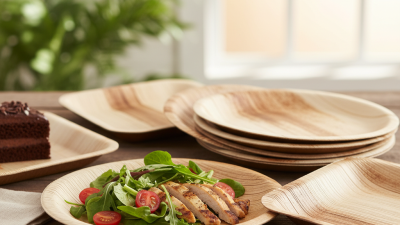
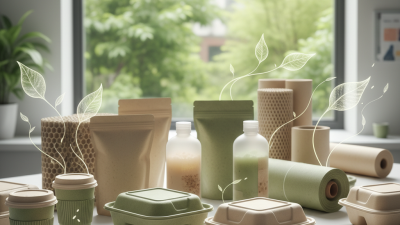
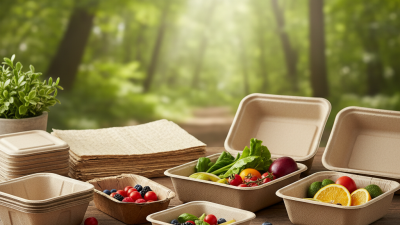
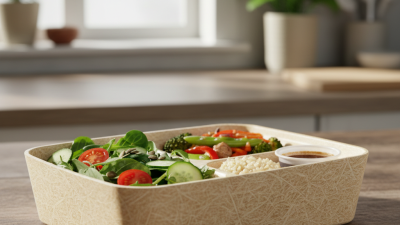
The shift towards eco-friendly alternatives is driven by increasing environmental concerns. Plastic waste has become a pressing issue, with millions of tons ending up in landfills and oceans annually. Biodegradable tableware, made from materials like cornstarch and sugarcane, decomposes naturally within months. This reduces long-term pollution and helps preserve ecosystems that are being harmed by traditional plastics.
However, challenges remain. Consumer awareness varies, and some may doubt the efficacy of biodegradable options. There's a need for education about proper disposal methods. While biodegradable tableware offers clear benefits, it also invites a conversation about responsible consumption. Exploring these issues is vital for a sustainable future.
Benefits of Biodegradable Tableware for Environmental Sustainability
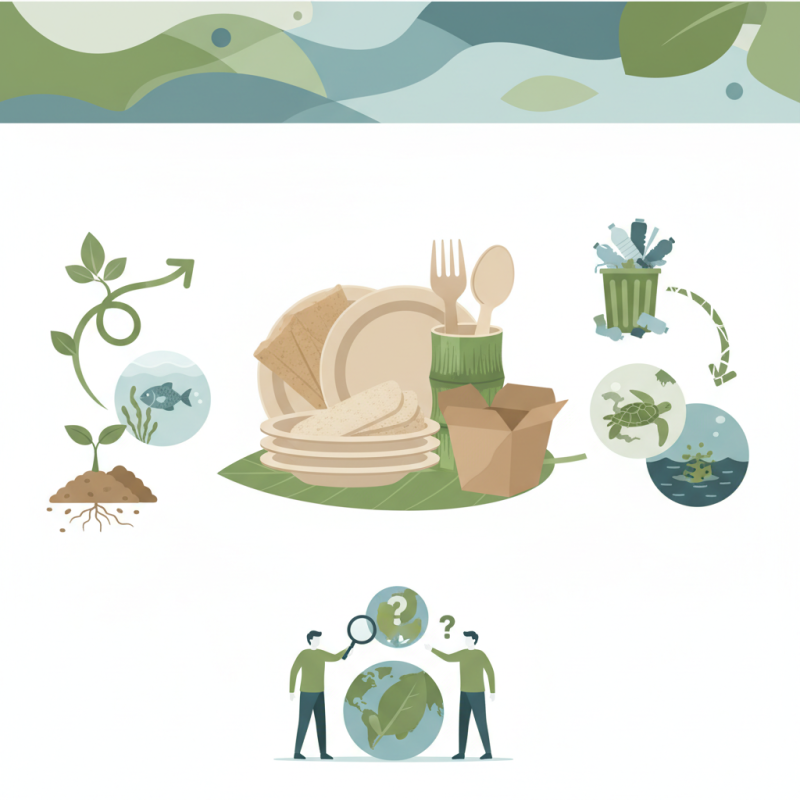
Biodegradable tableware offers numerous benefits for environmental sustainability. When disposed of, these products break down naturally. They reduce landfill waste and help mitigate pollution. Traditional plastics can take hundreds of years to decompose, harming wildlife and the ecosystem. In contrast, biodegradable options can decompose within months under the right conditions.
Tips: Consider using biodegradable plates and cutlery for picnics or outdoor events. Opting for these alternatives not only helps the environment but also sets a positive example for others. Make small changes in daily life to contribute to sustainability.
The production of biodegradable tableware often uses renewable resources, like plants. This reduces reliance on fossil fuels. However, not all biodegradable products are created equal. Some might not decompose effectively in typical landfill conditions. It's essential to check labels and understand the disposal requirements.
Reflecting on personal habits can lead to better choices for the environment.
Economic Advantages of Switching to Biodegradable Tableware
Switching to biodegradable tableware can lead to significant economic advantages. According to a recent report by the Environmental Protection Agency, the market for biodegradable materials is expected to reach $30 billion by 2025. As more businesses seek eco-friendly solutions, the demand for biodegradable tableware is growing rapidly. This shift can boost local economies and create jobs in manufacturing and recycling sectors.
Many restaurants have reported cost savings when switching to biodegradable options. A study found that nearly 40% of establishments that made the change reduced their overall waste disposal costs by 25%. This is largely due to lower landfill fees and reduced trash pickups. Using biodegradable tableware also enhances a restaurant's image, attracting customers who prioritize sustainability. Studies show that 70% of consumers are willing to pay more for eco-friendly products.
On the downside, the initial costs of biodegradable materials can be higher. Some businesses struggle with this upfront investment. It can also be challenging to find suppliers who meet quality standards. However, as technology improves, prices are expected to drop. The balance between cost and sustainability remains a topic for ongoing discussion.
What Are the Benefits of Biodegradable Tableware? - Economic Advantages of Switching to Biodegradable Tableware
| Benefit |
Description |
Estimated Savings |
| Reduced Waste Disposal Costs |
Biodegradable tableware decomposes organically, leading to lower landfill fees. |
Up to 30% savings on waste management costs. |
| Tax Incentives |
Some regions offer tax breaks for businesses using eco-friendly products. |
Varies by location, average $500 annually. |
| Consumer Attraction |
Businesses that adopt sustainable practices attract eco-conscious customers. |
Potential revenue increase by 10-20% from new customers. |
| Lower Production Costs |
Advancements in biodegradable materials have reduced manufacturing costs. |
Savings of 15-25% compared to traditional materials. |
Impact on Waste Reduction and Landfill Diversion Rates
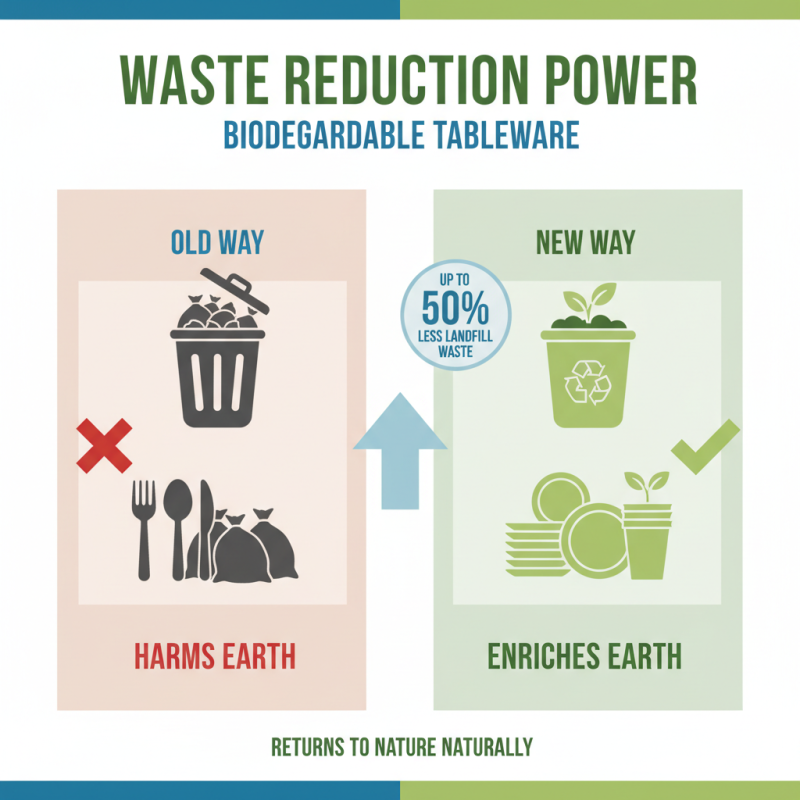
Biodegradable tableware offers a notable impact on waste reduction. Traditional plastic items often end up in landfills, taking hundreds of years to decompose. This is a significant problem. In contrast, biodegradable options break down naturally, returning to the earth without harming the environment. A recent study highlighted that using biodegradable products could reduce landfill waste by up to 50%. This statistic is eye-opening and demands attention.
When people choose biodegradable tableware, they contribute to landfill diversion efforts. Many communities are overwhelmed by plastic waste. The switch to compostable materials can ease this burden. Restaurants and events that adopt these alternatives report less waste produced overall. However, there are challenges. Some biodegradable options require specific conditions to break down effectively, which are not always met in landfills. Education on proper disposal is crucial to maximize benefits. Transitioning to greener alternatives isn’t just a trend; it’s a necessity. Each choice can lead to a cleaner future if we are mindful of our actions.
Health and Safety Benefits of Using Biodegradable Materials
Biodegradable tableware offers significant health and safety benefits. Conventional plastic dishware can leach harmful chemicals into food. These chemicals pose potential health risks. Studies show that certain plastics can release toxins when exposed to heat or acidic foods. This is alarming, especially for children and pregnant women. Using biodegradable materials reduces this risk.
Biodegradable options are often made from natural substances. They can break down safely in the environment. This reduces pollution and minimizes landfill waste. According to the U.S. Environmental Protection Agency, biodegradable products can divert up to 30% of waste from landfills. Choosing these materials enhances food safety and protects public health.
Tip: Always check for certifications when buying biodegradable products. Look for labels that indicate they meet environmental safety standards. This ensures that the products are genuinely biodegradable and non-toxic.
Despite their benefits, biodegradable tableware can sometimes be misunderstood. Not all biodegradable products break down in every environment. Some require specific conditions, like industrial composting. Hence, consumers must be informed about disposal options. Awareness can improve overall waste management efforts.
Consumer Trends and Market Growth in Biodegradable Tableware Industry
The biodegradable tableware industry is rapidly evolving. A recent report by Smithers indicates that the global market is projected to reach $12 billion by 2025. This growth highlights a significant shift in consumer preferences towards sustainable products. Increasing awareness of environmental issues drives demand for alternatives to traditional plastic. Many consumers now prioritize eco-friendly options in their daily lives.
In recent years, surveys reveal that about 60% of consumers are willing to pay more for biodegradable products. This trend reflects a broader commitment to reducing waste. Events such as festivals and parties are seeing a rise in biodegradable tableware usage. The convenience of disposal, combined with growing environmental consciousness, supports this shift. However, there are challenges. Not all biodegradable products break down effectively in the environment. This inconsistency raises questions about their true sustainability.
The younger generation leads this change, showing a strong preference for green products. However, some consumers remain skeptical about the durability and quality of biodegradable tableware. Bridging this gap in trust is crucial for market growth. Striking a balance between sustainability and consumer satisfaction is necessary. The biodegradable tableware landscape is dynamic and requires ongoing reflection and adaptation. As the industry grows, continuous improvement will be key to addressing these challenges.