2026 Top Plant-Based Tableware Trends and Benefits?
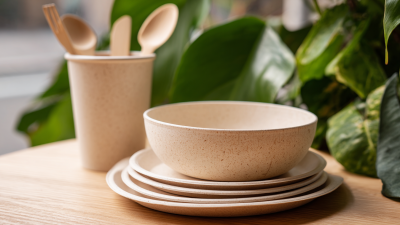
As the demand for sustainable living grows, the popularity of Plant-Based Tableware is on the rise. Experts anticipate that by 2026, this sector will transform how we think about dining. Dr. Emily Johnson, a leading figure in sustainable product development, states, "Plant-Based Tableware represents not just a choice, but a lifestyle shift towards eco-friendliness."
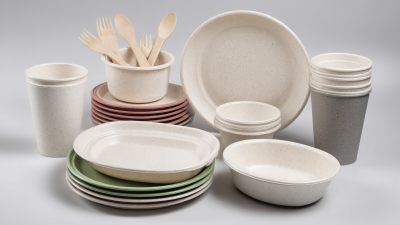
Consumers are increasingly seeking alternatives to traditional plastic. With biodegradable materials, Plant-Based Tableware offers an eco-conscious option. These products often come from renewable resources, reducing our carbon footprint. The colors and designs available make them visually appealing as well. However, challenges remain in production and waste management.
While many companies are innovating, not all Plant-Based Tableware meets strict environmental standards. Quality varies, leading to concerns about durability and usability. As consumers become more informed, they expect transparency. It's vital for the industry to address these issues as it grows. The future of dining may very well depend on our choices today.
2026 Trends in Plant-Based Tableware Design and Innovation
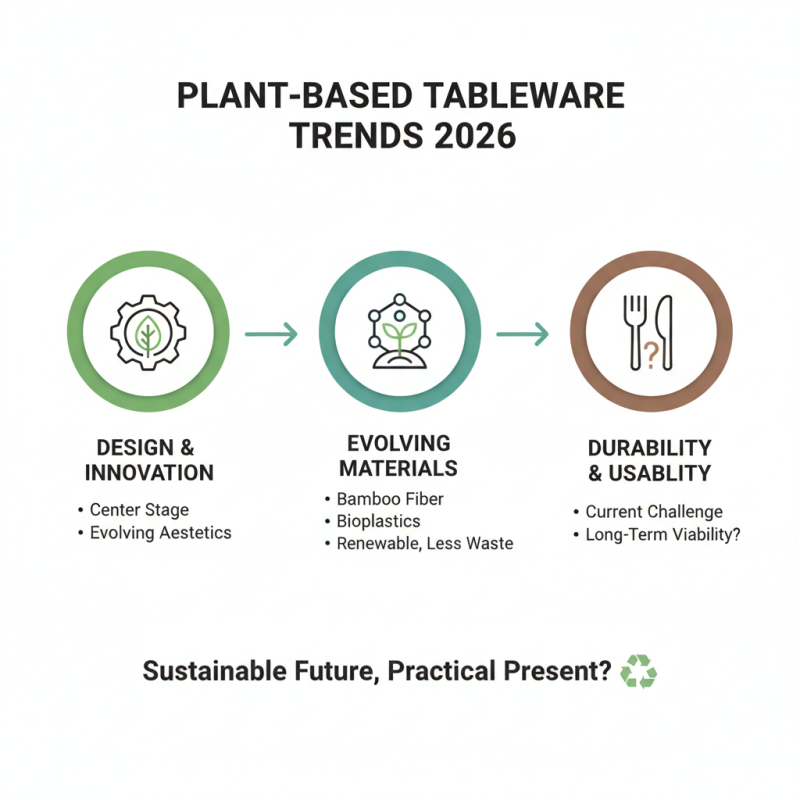
As we explore the 2026 trends in plant-based tableware, design and innovation take center stage. The materials are evolving, with options like bamboo fiber and bioplastics gaining popularity. These materials are renewable, reducing waste significantly. Yet, some designs still lack durability and practical usability, prompting discussions about their long-term viability.
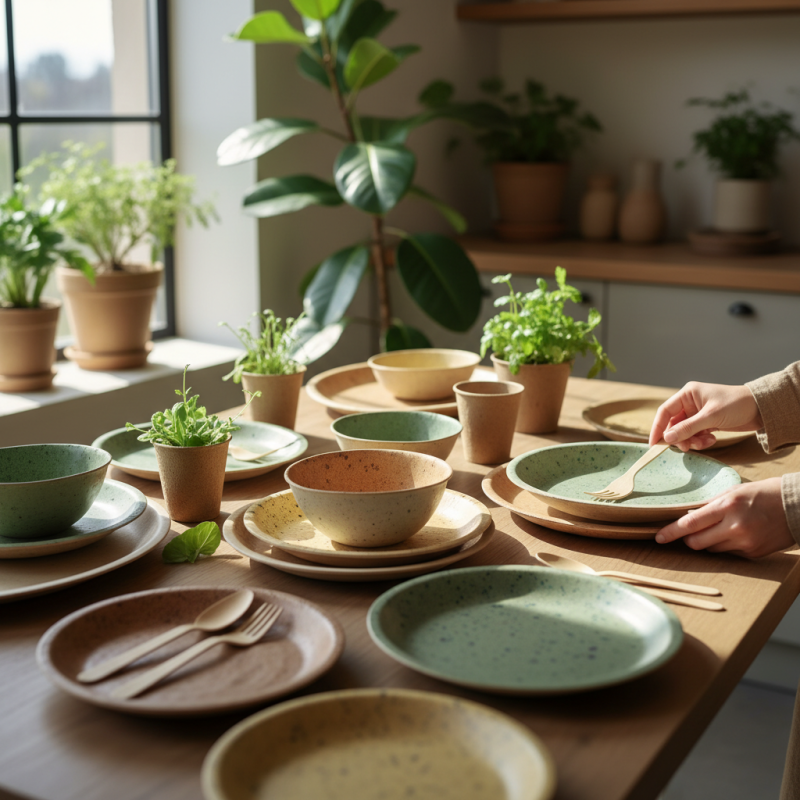
Color schemes are becoming bolder, reflecting a shift toward vibrant dining experiences. Expect to see patterns inspired by nature, which enhance the appeal of eco-friendly products. However, not every design resonates with all consumers. Some may find these trendy styles less functional for everyday use.
Innovation is also evident in the production process. New techniques minimize environmental impact while enhancing aesthetic qualities. This means that plant-based tableware can be both stylish and sustainable. Still, we must reflect on the balance between aesthetics and functionality. If designs are too intricate, usability might suffer. The challenge lies in creating products that are both beautiful and practical for diverse dining needs.
Benefits of Plant-Based Materials in Tableware Production
The move towards plant-based materials in tableware is growing rapidly. These materials, made from renewable resources, offer numerous benefits. They reduce reliance on plastic, which is a significant environmental concern. Often biodegradable and compostable, plant-based tableware can break down naturally. This feature lessens landfill waste and supports a sustainable approach to dining.
However, challenges remain. Not all plant-based products perform equally well. Some may lack durability compared to traditional options. This can lead to user dissatisfaction. Additionally, not all consumers are aware of the differences. Educational efforts are crucial to help people understand these materials. The appearance and feel of plant-based options can differ, making some hesitant to switch. Yet, many are becoming more accustomed to these new materials, recognizing their potential.
Consumer preferences are shifting, but there's a long way to go. Innovators in design are experimenting with various plant-based substances to improve aesthetics and functionality. This evolution opens up possibilities for unique tableware. Visual appeal matters; it shapes dining experiences. If we embrace these materials while addressing their shortcomings, the future of tableware could be bright.
Consumer Preferences Shaping the Future of Eco-Friendly Tableware
The rise of eco-friendly tableware is heavily influenced by changing consumer preferences. In a recent report, nearly 70% of consumers expressed a preference for sustainable materials in their dining experiences. This shift is evident as more people seek alternatives to traditional plastics. The demand for biodegradable and compostable options is growing steadily. Products made from materials like bamboo and plant fibers are gaining popularity.
However, the journey towards a fully sustainable dining industry is not without challenges. Some consumers remain skeptical about the durability and quality of plant-based tableware. Reports highlight that nearly 40% of buyers are concerned about how these products perform compared to conventional items. This skepticism needs addressing through better marketing and education.
Moreover, price sensitivity also plays a role. While green options are preferred, many consumers still seek affordability. Data shows that 55% would choose eco-friendly products if they were more cost-effective. As the market evolves, manufacturers must find a balance between sustainability and accessibility. The future of tableware hinges on understanding these preferences and addressing consumer concerns.
Key Brands Leading the Plant-Based Tableware Revolution
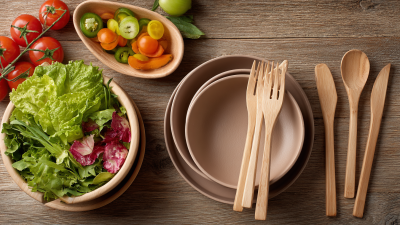
In the growing world of sustainable living, plant-based tableware is making significant strides. Various brands are experimenting with innovative materials. They offer products made from bamboo, sugarcane, and even seaweed. This diverse range appeals to environmentally conscious consumers. Bright colors and unique designs enhance the dining experience. They create a fun and eco-friendly atmosphere for any gathering.
Many key brands lead this movement. They emphasize sustainability and aesthetics. Some use organic materials to create biodegradable items. There is a focus on functionality, too. However, the challenge lies in durability. Some products may not hold up well under heat or moisture. This is a valid concern as consumers seek reliable options. It’s essential to balance eco-friendliness with performance.
Brands also face hurdles in production. Sourcing raw materials sustainably is complicated. Competition from traditional plastic tableware remains fierce. Consumers, while interested in green products, often prioritize convenience. It can be tough to change established buying habits. Nevertheless, as awareness grows, these key players continue to innovate. They strive to create desirable, sustainable tableware for everyone.
The Environmental Impact of Switching to Plant-Based Tableware
Switching to plant-based tableware significantly reduces environmental impact. Traditional plastic products take hundreds of years to decompose. In contrast, plant-based options are made from renewable resources and break down more quickly. This transition helps lessen landfill waste and supports sustainable practices.
Using plant-based tableware encourages a circular economy. It promotes the use of materials like bamboo and sugarcane. However, the production process can still consume resources, raising questions about sustainability. Not all plant-based products are created equal. Some might not offer a complete solution to environmental challenges.
Consumers should choose wisely. Considering the entire lifecycle of these materials is essential. While they provide a greener alternative, the reality is more complex. Educating ourselves about sourcing and disposal can contribute to more informed decisions. Embracing plant-based tableware is a step forward but also a call for greater accountability.
2026 Top Plant-Based Tableware Trends and Benefits