Top 2025 Dinnerware Set Trends: What to Look for This Year!
As we step into 2025, the world of dining is experiencing a transformative shift, with dinnerware set trends poised to redefine how we gather around the table. Renowned industry expert, Julia Hart, emphasizes the importance of this evolution, stating, "A thoughtfully curated dinnerware set not only enhances the aesthetic of a meal but also elevates the dining experience itself." With her insight, we delve into what this year holds for dinnerware enthusiasts and hosts alike.
This year's trends reflect a growing appreciation for sustainability, personalization, and artistic expression in dinnerware sets. From eco-friendly materials to unique, handcrafted designs, consumers are leaning towards pieces that tell a story and resonate with their values. As we explore the top trends, it becomes evident that the dinnerware set is not just functional; it serves as a canvas for creativity and a medium for connection during shared meals.
Join us as we uncover the must-have features and styles that will define dinnerware sets in 2025, ensuring that your table not only looks fashionable but also reflects the ethos of contemporary dining culture. Whether hosting a casual get-together or an elaborate dinner party, the right dinnerware set will be at the heart of every memorable gathering.
Emerging Materials in Dinnerware Sets for 2025
As we look forward to 2025, the dinnerware set industry is poised for significant transformations, particularly concerning the materials used in crafting these essential home items. Emerging materials are not only redefining aesthetics but also enhancing functionality and sustainability in dinnerware. According to a report by Market Research Future, the global tableware market is projected to grow at a CAGR of 6.2% from 2021 to 2026, driven by the rising consumer demand for innovative and eco-friendly products.
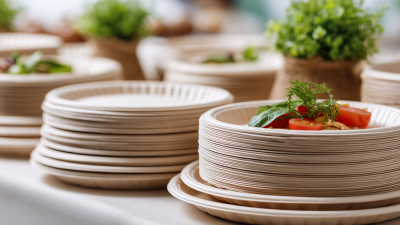
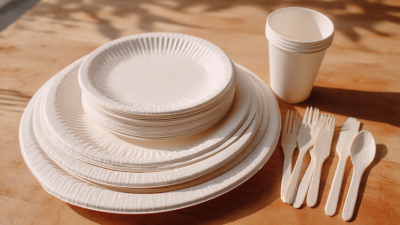
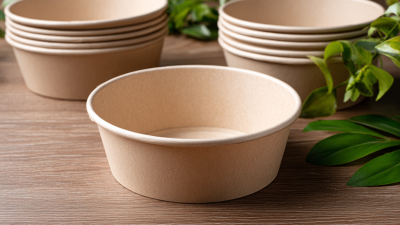
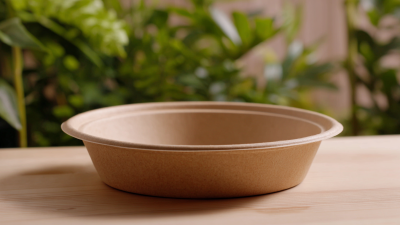
One exciting trend is the increasing use of biodegradable materials in dinnerware sets. Bioplastics, derived from renewable resources such as corn starch and sugarcane, are gaining popularity due to their reduced environmental impact compared to traditional plastics. In fact, a study by the Biodegradable Products Institute found that the demand for biodegradable dinnerware is expected to rise significantly, with anticipated growth rates of up to 10% annually in the next few years. Consumers are becoming increasingly aware of the environmental challenges posed by single-use plastics and are seeking alternatives that align with their values.
Additionally, the incorporation of stoneware and porcelain with advanced glazing techniques is also on the rise. These materials not only offer durability and aesthetic appeal but are also often produced with lower carbon footprints due to modern manufacturing processes. A report by Research and Markets estimates that the stoneware segment alone will account for over 35% of the overall dinnerware market share by 2025, showcasing a robust consumer preference for these materials. As dinnerware trends evolve, the focus lies heavily on sustainability, innovation, and the ability to harmonize beauty with environmental responsibility.
Top 2025 Dinnerware Set Trends: What to Look for This Year!
| Trend |
Description |
Emerging Materials |
Color Trends |
| Sustainable Designs |
Focus on eco-friendly materials and minimalistic designs. |
Bamboo, recycled glass, biodegradable plastics |
Earthy tones, muted colors |
| Mix and Match |
Combining different sets for a personalized look. |
Stoneware, porcelain, artisanal ceramics |
Pastels, bold contrasts |
| Textured Finishes |
Unique textures add dimension and interest. |
Reactive glazes, hand-carved ceramic |
Metallics, deep jewel tones |
| Multi-functional Pieces |
Dinnerware that serves multiple purposes. |
Silicone, tempered glass |
Neutrals, blacks, and whites |
| Geometric Patterns |
Bold geometric shapes create a modern vibe. |
Porcelain, melamine |
Bright primaries, contrasting colors |
Color Trends to Transform Your Table Setting this Year
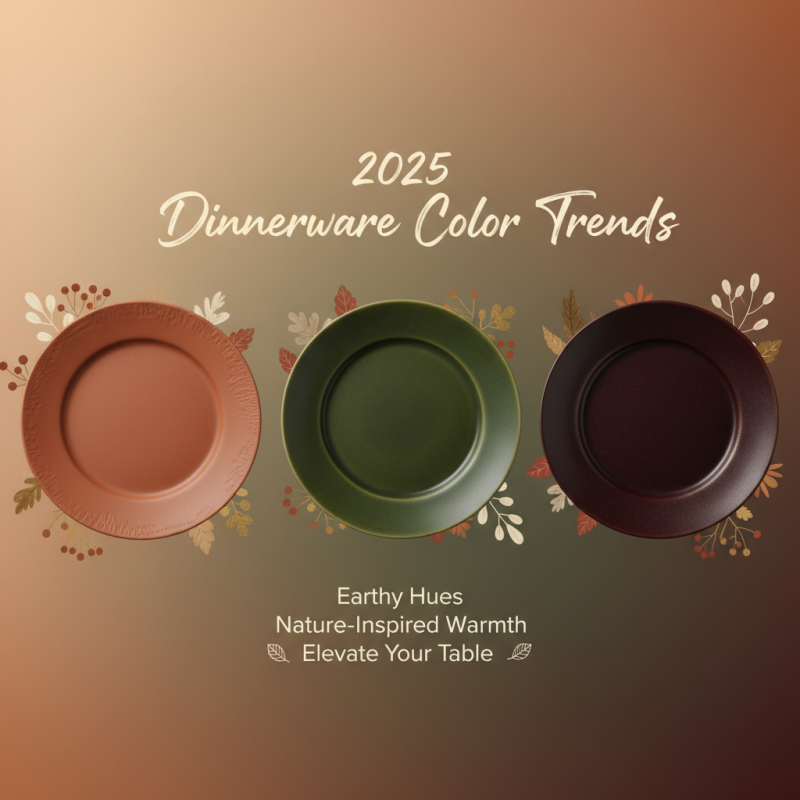
As we step into 2025, the world of dinnerware is bursting with vibrant color trends that can redefine any table setting. This year, rich hues inspired by nature are taking center stage. Earthy tones such as terracotta, olive green, and deep burgundy bring warmth and a sense of grounding to the dining experience. These colors not only create a welcoming atmosphere but also enhance the presentation of seasonal dishes, making your meals feel more inviting and homely.
In addition to earthy palettes, there's a growing interest in bold and unexpected combinations that push traditional boundaries. Pairing a soft pastel with a striking jewel tone can add a layer of excitement and sophistication to your table. Think seafoam green alongside sapphire blue for a refreshing contrast or muted lavender paired with a vibrant coral for a playful yet elegant look. These innovative color mixes not only capture attention but also reflect a more personal and expressive dining aesthetic that resonates with contemporary design preferences. Embracing these color trends can transform your dining space into an artistic statement, encouraging creativity not just in cooking but in how we present and enjoy our meals.
Elevating Design: Minimalism vs. Maximalism in Dinnerware
As we step into 2025, dinnerware design trends are diverging into two captivating styles: minimalism and maximalism. Minimalism emphasizes simplicity and functionality, often featuring clean lines and muted colors. This trend appeals to those who enjoy a serene dining experience, allowing the food to take center stage. Minimalist dinnerware creates a calming atmosphere, making it perfect for intimate dinners or casual gatherings.
On the other hand, maximalism embraces boldness and extravagance, encouraging an eclectic mix of patterns, colors, and textures. This trend invites individuality and expression, transforming the dining table into a vibrant canvas. With maximalist dinnerware, the focus is on creating an unforgettable visual impact, ideal for hosting lively parties or festive celebrations.
Tip: When considering your dinnerware style, think about the overall ambiance you want to create. If you prefer a relaxed setting, lean towards minimalistic pieces. For a more dynamic dining experience, explore bold patterns and colors that reflect your personality.
Tip: Regardless of the style you choose, remember to mix and match thoughtfully. A minimalist plate can pair beautifully with a maximalist tablecloth or cutlery, creating a unique juxtaposition that enhances the dining experience while expressing your personal style.
Sustainable Choices: Eco-Friendly Dinnerware Innovations
In 2025, the focus on sustainable choices in dinnerware sets is becoming increasingly prominent, with an emphasis on eco-friendly innovations. According to a report by the Global Sustainable Products Market Research, the demand for sustainable dinnerware is projected to grow by 10% annually, driven by consumer awareness and preference for environmentally responsible products. This shift signifies a move away from single-use plastics towards materials that minimize ecological footprints, such as biodegradable ceramics, recycled glass, and bamboo-based composites.
Moreover, brands are investing in innovative materials and manufacturing processes that not only reduce waste but also enhance durability. A study by the International Journal of Environmental Research suggests that adopting sustainable materials can reduce greenhouse gas emissions by up to 30% when compared to conventional materials. As manufacturers respond to consumer demands for transparency, many are utilizing life cycle assessments to promote the sustainability of their dinnerware. This level of commitment not only assures consumers of the products' environmental benefits but also aligns with a growing trend toward responsible consumption. The focus on eco-friendly dinnerware innovations is reshaping the market and encouraging a cultural shift towards sustainability in dining.
Cultural Influences Shaping Dinnerware Aesthetics in 2025
As we delve into the dinnerware set trends of 2025, it becomes evident that cultural influences are playing a crucial role in shaping aesthetics. The blending of traditional designs with modern sensibilities is a significant trend, reflecting a global appreciation for diverse cultures. From vibrant Moroccan patterns to minimalist Japanese styles, dinnerware is becoming a canvas for storytelling, embracing the heritage and artistry of different regions. This fusion creates unique pieces that not only serve a practical purpose but also act as conversation starters at the dining table.
**Tips: When selecting dinnerware, consider incorporating pieces from various cultures to create an eclectic and personalized dining experience. Mixing and matching can enhance visual interest while honoring the artistry behind each style. Additionally, think about the colors and patterns that resonate with your cultural influences or personal experiences, as these elements can add depth and meaning to your table setting.**
The sustainable movement is also influencing dinnerware aesthetics in 2025, with natural materials and eco-friendly designs taking center stage. Handcrafted ceramics, bamboo composites, and recycled materials not only reflect awareness of environmental issues but also pay homage to artisanal craftsmanship from various cultures. This trend encourages consumers to choose dinnerware that aligns with their values, making each meal not just a culinary experience but also a celebration of cultural heritage and sustainability.
**Tips: Look for dinnerware made from sustainable materials that tell a story of their origin. This not only supports ethical practices but allows you to share the uniqueness of the pieces with your guests, turning every meal into a cultural exploration.**